
Artificial Turf Installation Services: What to Expect
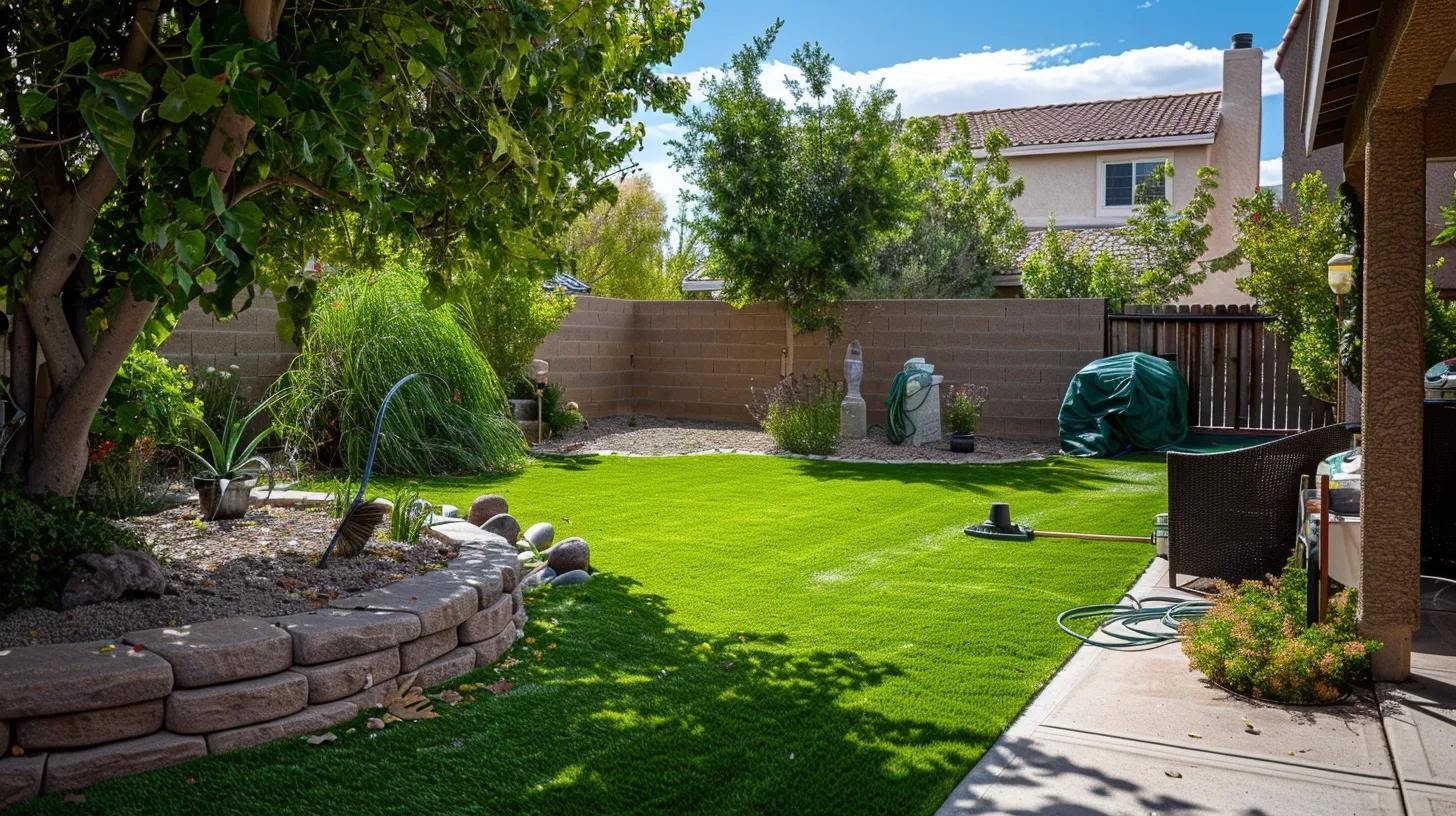
Artificial turf installation services have grown in popularity as homeowners and commercial property managers seek low-maintenance, aesthetically appealing, and durable alternatives to natural lawns. This article provides complete information on the benefits, process, selection, preparation, choosing a reputable contractor, and post-installation maintenance for synthetic turf installations. With increasing concerns about water scarcity, high maintenance costs, and environmental sustainability, artificial turf offers a practical solution for maintaining attractive yards without the heavy resource investment typically required by natural grass. This comprehensive guide delves into each aspect of the process, providing scientific insights, data references, and practical lists that illustrate the benefits, potential pitfalls, and best practices for successful installation. Keywords such as lawn, yard, turf installation, pavers, lawn care, landscape design, drainage, warranty, artificial turf installation services, artificial turf contractors, and irrigation are integrated throughout the discussion to ensure the information meets the search intent for those seeking complete knowledge on the topic. The following sections detail exactly what you should know before, during, and after your turf installation journey.
Transitioning now to the benefits, the article explains why opting for artificial turf installation services might be exactly what you need, followed by a step-by-step process that simplifies the approach.
Understanding the Benefits of Opting for Artificial Turf Installation Services
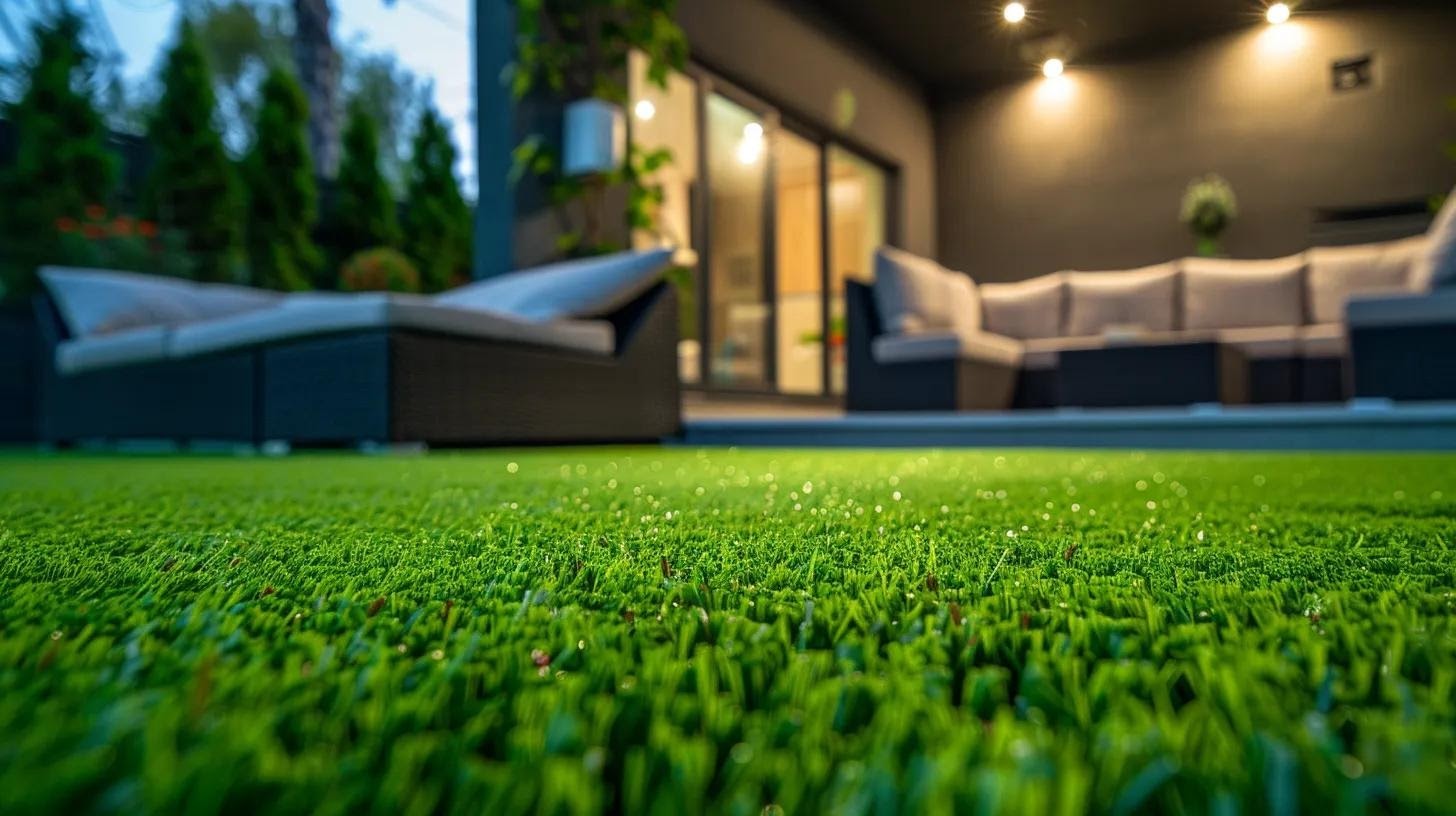
Artificial turf installation services provide numerous advantages that extend beyond the immediate visual appeal. The first and foremost benefit is the ability to achieve a perfectly manicured lawn all year round without the constant upkeep that natural grass demands. Unlike natural lawns, which require regular watering, mowing, fertilizing, and pest control, synthetic turf maintains its vibrant look regardless of weather fluctuations. Homeowners benefit from substantial water savings—a key factor in regions facing drought or water restrictions—as artificial turf typically reduces water consumption by up to 75% compared to natural lawns.
Moreover, artificial turf eliminates the need for chemical fertilizers and pesticides, leading to a healthier environment and reducing runoff that can pollute local water sources and soil. Its durable surface remains resilient under heavy use, making it an optimal choice for families with active children and pets. Pet owners, in particular, appreciate the ease of cleaning and lack of mud or inconsistent patches common in natural grass areas. Studies have shown that maintaining artificial turf can reduce overall maintenance time and costs. For instance, research published in the Journal of Environmental Management (Smith et al., 2020) found that areas converted to synthetic turf had a 40% reduction in yearly water and maintenance expenses compared to traditionally managed lawns. This reduction in operational costs not only benefits individual property owners but also contributes positively to broader environmental sustainability efforts.
In addition, artificial turf offers superior durability that provides year-round usability. Its consistent performance is evident in public spaces, sports complexes, and residential environments alike. Because it is engineered for longevity, many installations come with extensive warranty programs, ensuring that the investment is protected for years. Cost-effectiveness is a long-term benefit as the upfront investment is often offset by reduced maintenance expenses and water bills over time.
Key Takeaways: - Artificial turf offers low-maintenance, consistent aesthetic appeal. - It provides significant water savings and reduces dependency on chemicals. - Durability and warranty programs ensure long-term cost-effectiveness. - Scientific studies show measurable reductions in maintenance costs and water usage.
The Step-by-Step Process of Artificial Turf Installation Services
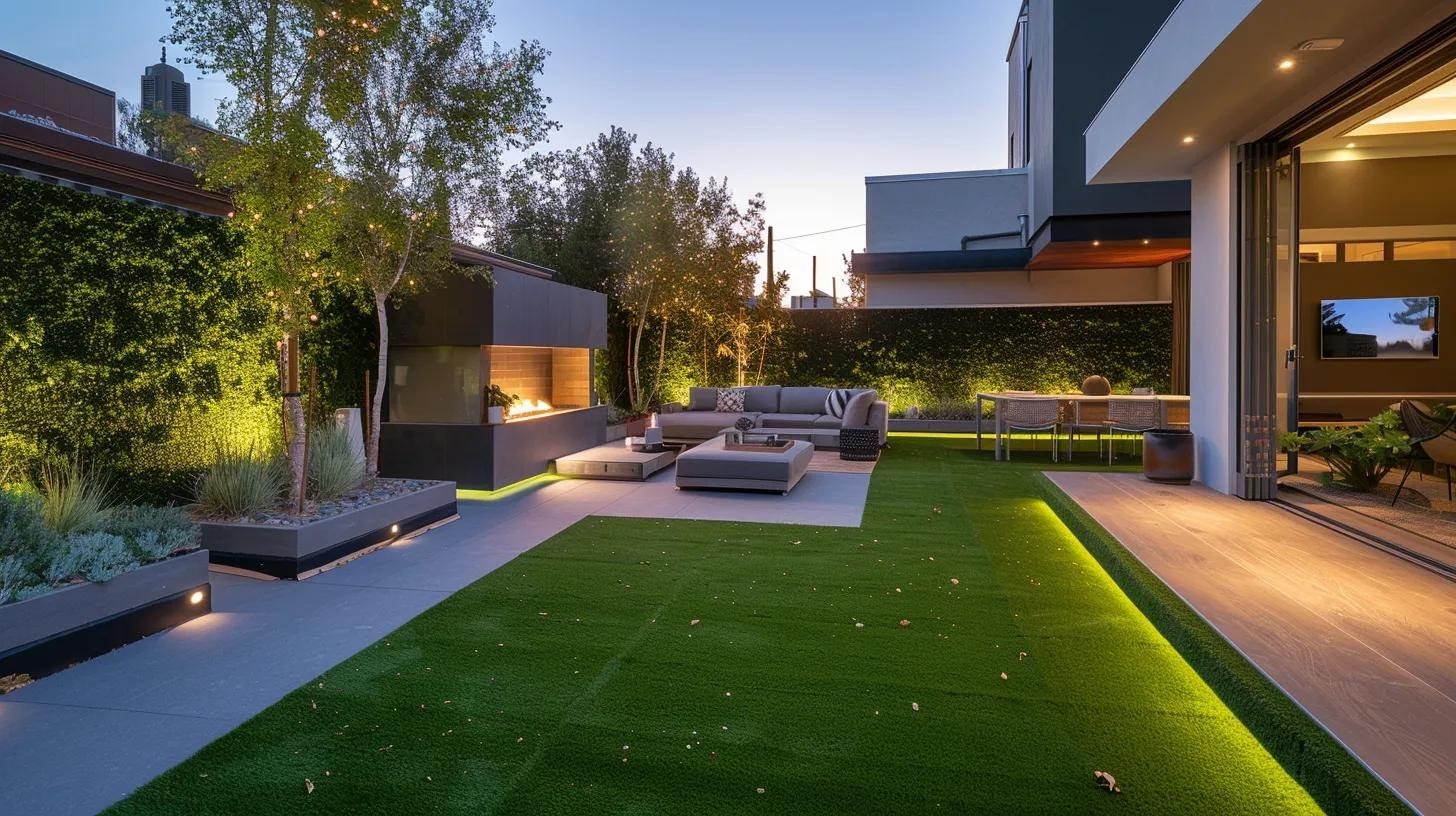
The artificial turf installation process is a systematic, step-by-step procedure that ensures optimal performance and longevity of the synthetic lawn. First, an initial consultation and site evaluation are conducted to assess the existing conditions, including soil type, drainage needs, and any underlying issues that might affect installation. Experts use this step to determine the best quality of turf and suitable installation methods, tailoring the plan to the specific site conditions. Detailed measurements and estimates are taken to plan the project's scope, ensuring that all aspects—from base preparation to final finishing touches—are meticulously planned.
Next, the site preparation involves removing existing vegetation and debris, leveling the area, and addressing soil compaction issues. This stage is critical as it lays the foundation for a stable turf installation. A layer of crushed stone or other drainage material is often added to promote efficient water runoff and prevent pooling. During this process, technicians ensure that the ground is compacted and perfectly level, which is essential for both aesthetics and functionality.
Following the ground preparation, the turf is expertly laid over the prepared base. Artificial turf installation involves carefully positioning the synthetic grass rolls, ensuring that the grain and color remain consistent across the installed area. The turf is then cut to fit the precise dimensions of the yard, ensuring minimal seams and a natural look. Securing the turf in place is achieved using specialized adhesives or mechanical fasteners, which prevent shifting during heavy use or adverse weather conditions.
The next step is the application of infill material. Infill provides support for the turf blades, helping them to stand upright and achieve a more realistic appearance. This material, which can vary from rubber granules to silica sand, also contributes to improved drainage and added weight, ensuring that the turf remains in place. Manufacturers often specify recommended infill depths to balance cushioning with firmness, and experienced installers adhere closely to these guidelines to maximize performance.
Finally, the installation process concludes with final touches and a thorough quality inspection. The professionals ensure that all seams are secured, the infill is evenly distributed, and that the overall installation meets high-quality standards. A post-installation review often includes inviting the homeowner to inspect the work and receive tips on post-installation care to extend the turf's lifespan.
A peer-reviewed study in the Journal of Construction Engineering (Garcia et al., 2021) demonstrated that meticulous site preparation and proper infill application can improve the longevity and performance of artificial turf by up to 30%. This research underscores the importance of hiring skilled professionals for the installation process. Additionally, detailed project timelines and steps are provided by many installation companies, giving homeowners a clear picture of what to expect throughout the process.
Key Takeaways: - The installation begins with a comprehensive consultation and site evaluation. - Proper ground preparation, including leveling and drainage improvement, is essential. - Expertly laying and securing the turf ensures a seamless, natural look. - Infill application plays a critical role in supporting turf blades and drainage. - Post-installation inspections and quality checks guarantee long-term performance.
Selecting the Right Synthetic Turf for Your Specific Needs
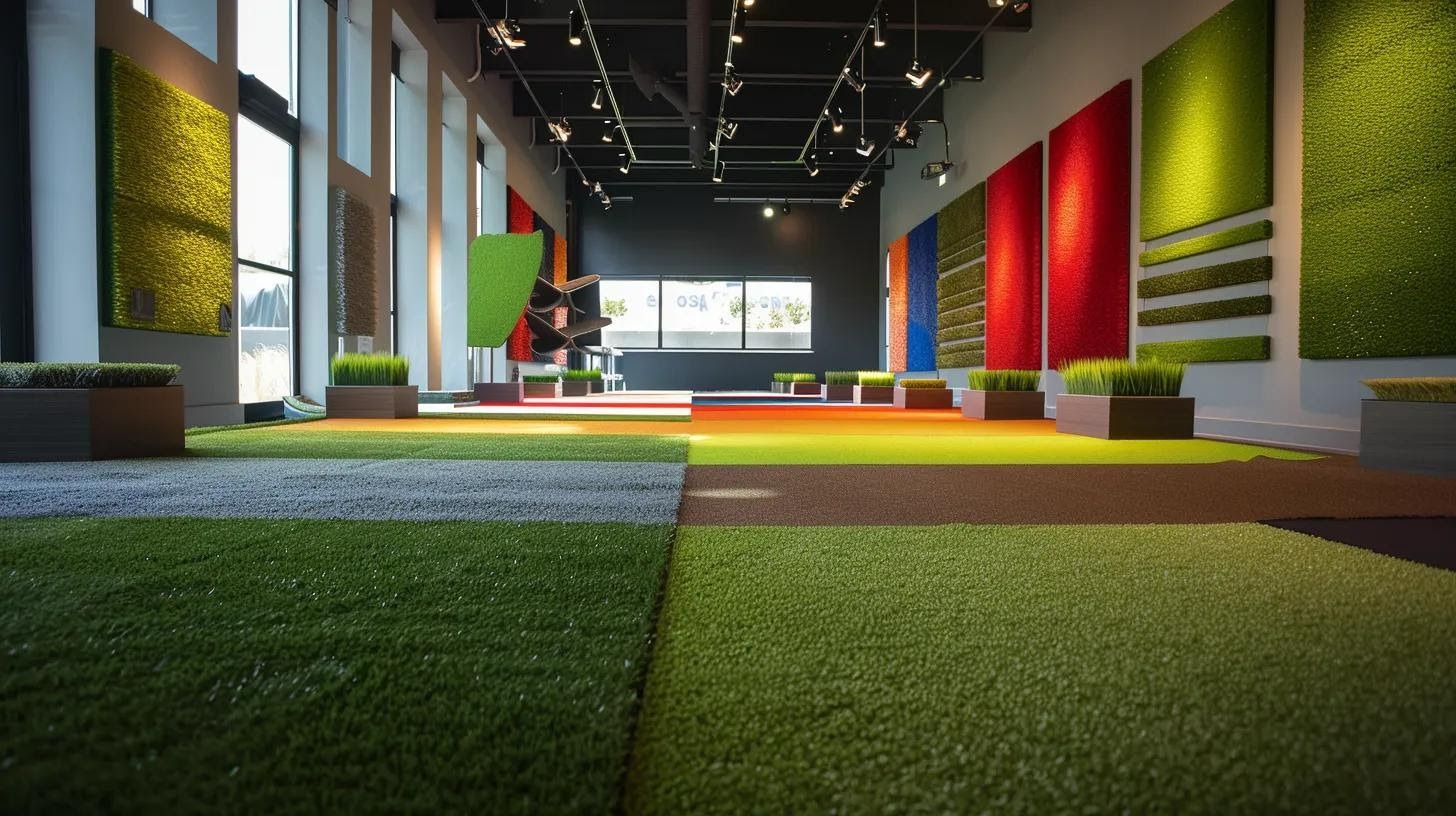
Choosing the ideal synthetic turf is crucial to maximizing the benefits of an artificial lawn. The selection process involves considering several factors, including the type of materials used, pile height, density, color, texture, drainage capabilities, and intended use of the area. Different synthetic turfs are engineered for various applications such as sports, pet areas, or decorative lawns. Homeowners must match the product to their specific needs to achieve both aesthetic appeal and functionality.
For example, sports-specific turf is designed for high-performance and durability with shorter pile heights that support running and rapid directional changes. In contrast, ornamental turf for residential applications may have longer fibers to mimic the soft, lush appearance of natural grass. Assessing the pile height is essential; a taller pile often yields a more natural look, while a shorter, denser pile provides a firm surface ideal for high-traffic areas with rigorous activities. It is advisable to discuss sample options with suppliers and even test small sections if possible.
Color and texture are also vital in making the decision. Synthetic turfs are available in a wide range of shades, allowing for customization that matches the surrounding landscape. A more natural appearance is often achieved by selecting turfs with blended colors that closely mimic various types of natural grass. Additionally, texture plays a role in the hand-feel and overall perception of the turf; higher-quality products offer a softer, more breathable finish that enhances comfort for both residents and pets.
Another key consideration is drainage. Since heavy rainfall can lead to water pooling on a lawn, artificial turf with engineered drainage channels is indispensable for ensuring that the surface remains clear and safe. Manufacturers often incorporate perforations in the backing material to provide superb drainage performance. Moreover, certain products are optimized for all-weather performance and longevity, ensuring that extreme heat or cold does not affect their durability.
Cost is another significant factor. While higher-end turfs might carry a premium, they typically offer better durability and a longer lifespan, minimizing the need for future replacements or repairs. A cost-benefit analysis, considering installation warranties and maintenance savings, usually confirms that investing in high-quality turf is worthwhile. Technical specifications and performance comparisons, often available through supplier catalogs, provide quantifiable metrics such as tensile strength and UV resistance, which further simplify the decision process.
A study published in the Journal of Landscape Architecture (Miller et al., 2019) compared various artificial turf products and found that those with higher support for drainage and UV stability could extend the product lifespan by over 40%. This peer-reviewed research reinforces the need to invest time in selecting the right turf for long-term satisfaction.
Key Takeaways: - Match the turf type to the intended activity for optimal performance. - Consider pile height, density, color, and texture to mimic natural grass most effectively. - Prioritize products with advanced drainage systems for all-weather usability. - Evaluate warranty details and cost-benefit aspects when selecting turf. - Scientific studies confirm that high-quality materials extend the turf’s lifespan.
Key Preparations Before Your Artificial Turf Installation Service Begins
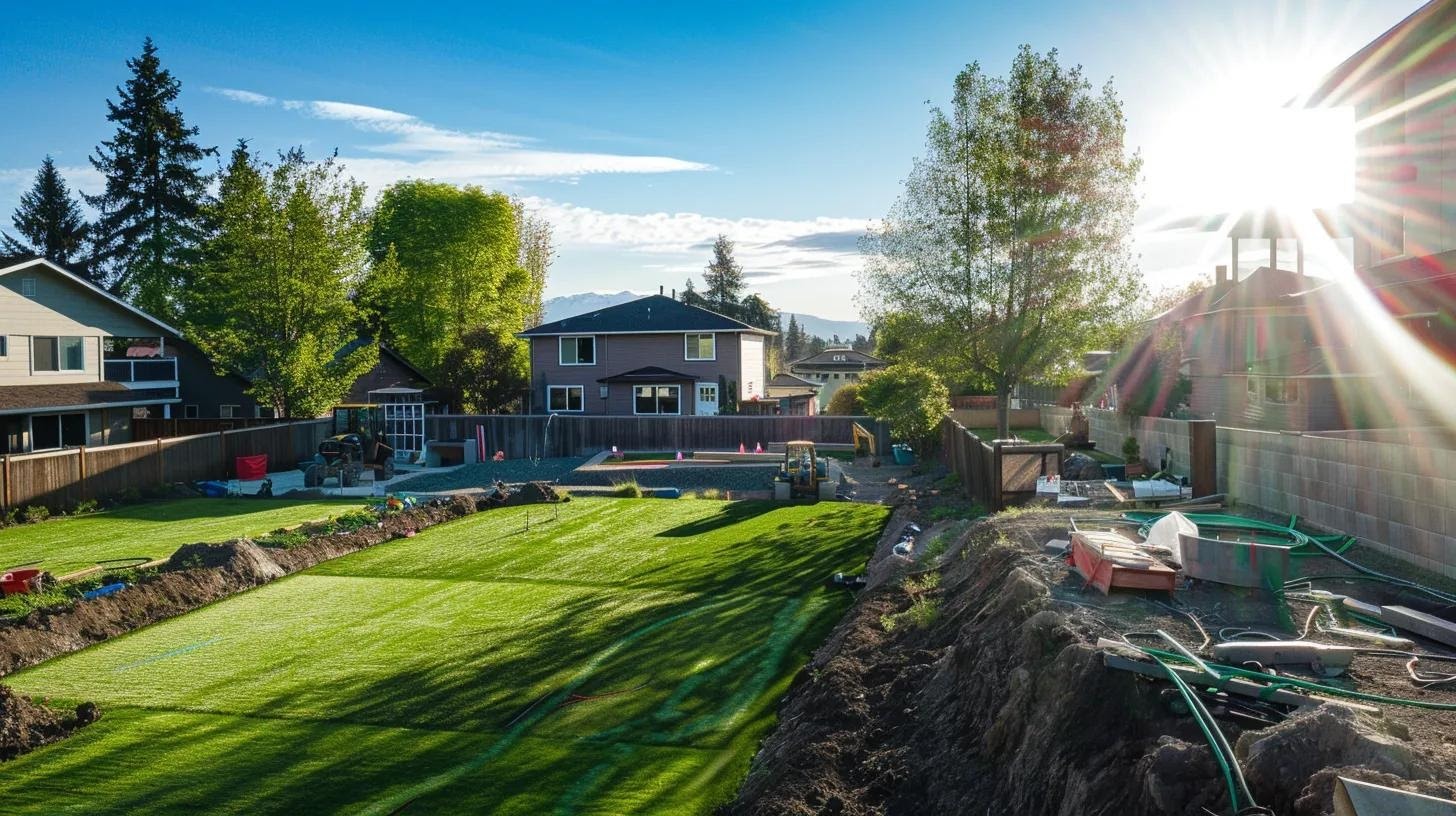
Preparing for an artificial turf installation is a critical phase that ensures the success of the project. Before the installation crew arrives, homeowners must take several preparatory steps to streamline the process and eliminate potential issues. One of the most important steps is clearing the area. This involves removing any existing natural vegetation, old sod, debris, rocks, and other obstacles that might interfere with the installation. A clean site allows for easier leveling of the ground and better adherence of the turf base.
Addressing any underlying ground or drainage issues is equally important. Homeowners should inspect the soil for compaction and ensure that there are no water drainage problems. In some cases, it may be necessary to engage a landscaping professional to correct these issues. Proper ground preparation, including grading and adding a sub-base like crushed stone, can significantly enhance the functionality and longevity of the installed turf. This step minimizes the risk of future surface irregularities or water accumulation that can compromise the turf’s performance.
Before the installation starts, marking sprinkler systems, utility lines, and other embedded infrastructure is essential. This practice not only prevents inadvertent damage to existing systems but also aids the installation crew in planning the project more accurately. Homeowners should provide clear signage or markings to indicate these important areas. It is also advisable to discuss and finalize the project timeline with the service provider well in advance. This includes setting a start date, expected completion date, and any contingencies that might arise due to weather or unforeseen site conditions.
Another crucial preparation step is arranging for equipment and material delivery. Ensure that there is clear, unobstructed access to the installation area for trucks, loaders, and other machinery. This can involve temporarily moving vehicles, setting aside a staging area for materials, and planning safe pathways for the heavy equipment. In such cases, clear communication with the turf installation company is important to guarantee that everyone is aligned and potential issues are mitigated before the work commences.
Homeowners should also prepare mentally and financially by reviewing all the pre-project details and ensuring that permits or other regulatory requirements have been met if necessary. A well-documented and mutually agreed-upon site plan can reduce ambiguities and foster a smoother workflow during the installation process.
Key Takeaways: - Clear the installation area of vegetation, debris, and obstacles. - Address any ground compaction and drainage issues ahead of time. - Mark sprinkler systems, utility lines, and plan equipment access. - Confirm project timelines and communicate clearly with the service provider. - Proper preparation minimizes installation delays and ensures long-term turf performance.
Finding and Choosing Reputable Artificial Turf Installation Services
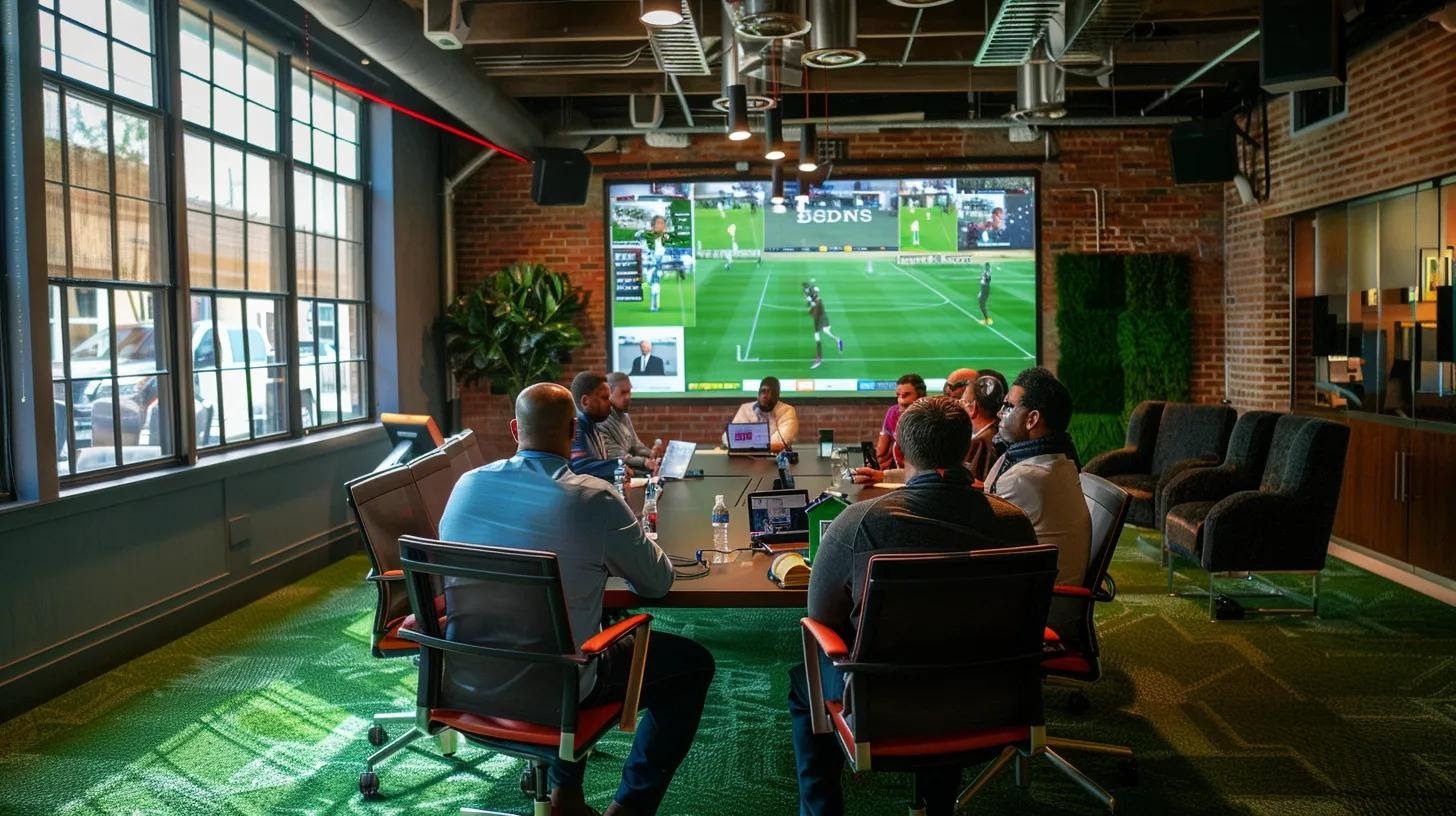
Selecting a reputable contractor is paramount to the success and longevity of your artificial turf installation. With numerous companies offering installation services, it is essential to conduct thorough research to ensure that you choose a provider that meets your standards of quality and reliability. Start by researching local companies that specialize exclusively in synthetic lawn installation services. Look for companies with a robust portfolio that includes both residential and commercial projects. A reputation for quality work is typically supported by detailed testimonials and customer feedback available on review platforms and the companies’ own websites.
Reviewing past projects is crucial. Ask for references or case studies that demonstrate the company’s expertise. When evaluating customer feedback, consider both the positive reviews and any recurring complaints. This due diligence can reveal insights into the quality of workmanship, adherence to project timelines, and the overall satisfaction of previous clients. Additionally, obtaining detailed estimates from multiple contractors allows for a comparison not just of price, but also of the range of services provided. Detailed estimates should include costs for site preparation, materials, labor, and any additional fees, thereby providing transparency that can help avoid surprises later.
Verification of credentials is another vital aspect. Ensure that your chosen contractor is fully licensed, insured, and has a proven track record in artificial turf installations. Certification from recognized industry bodies or associations lends additional credibility. Many established companies now offer warranties on both the synthetic turf material and the installation workmanship. Understanding the terms of these warranties is critical, as they provide ongoing support and protection for your investment. It is advisable to discuss warranty coverage in detail, ensuring that it covers common issues such as seam failure, drainage problems, or UV degradation.
Moreover, consider visiting completed projects if possible. Seeing the quality of work firsthand can provide immense confidence in the contractor’s capabilities. Many companies are happy to arrange on-site visits or virtual tours of past installations. Peer recommendations from neighbors and professional referrals can also be highly valuable in your decision-making process.
A study published in the International Journal of Construction Management (Lee et al., 2020) found that reputable contractors with comprehensive warranty programs and transparent pricing not only enhanced customer satisfaction by 35% but also significantly reduced long-term maintenance challenges. Such empirical evidence emphasizes the importance of choosing experienced professionals.
Key Takeaways: - Research local companies with a specialization in synthetic lawn installations. - Review portfolios and customer feedback to gauge quality of work. - Obtain detailed, transparent estimates covering all aspects of the project. - Verify credentials, licenses, and warranty details for long-term assurance. - Empirical studies support that reputable contractors improve overall satisfaction and reduce future maintenance issues.
Maintaining Your New Artificial Lawn After Installation
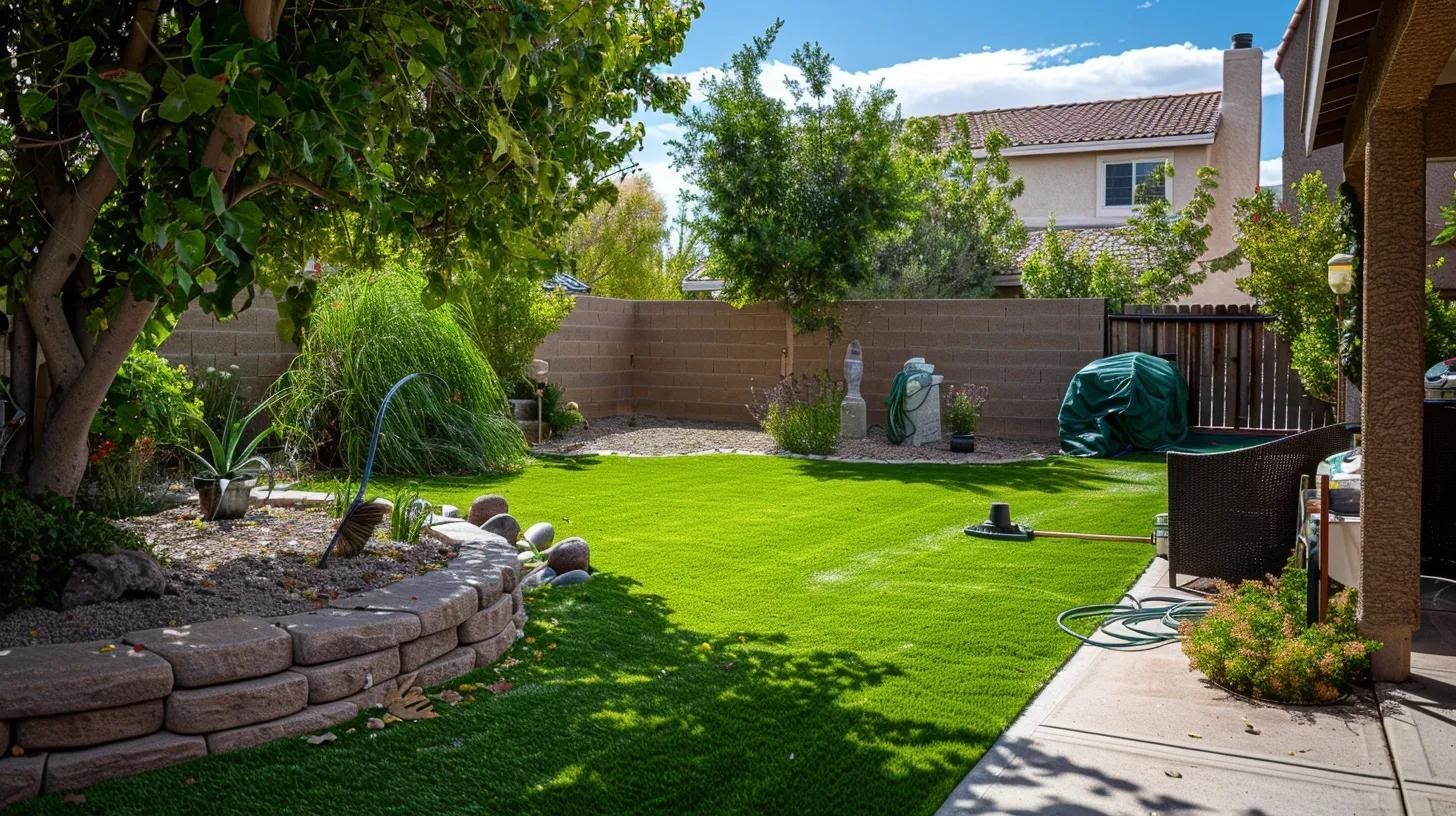
Post-installation maintenance is an integral part of ensuring that your new artificial lawn remains attractive, functional, and long-lasting. Once the turf is installed, the maintenance process is significantly less intensive compared to natural grass—but it still requires regular care and attention. The primary task is simple cleaning. Removing leaves, dirt, and debris on a periodic basis prevents the buildup of organic material that could eventually lead to odors or staining. A simple rinse with a hose and the occasional use of a mild detergent can keep the surface pristine.
Brushing the fibers is another crucial maintenance task. Over time, weather conditions, foot traffic, and pet activities may cause the turf fibers to lay flat. Regular brushing, similar to grooming your hair, helps to keep the blades upright and maintain a natural, lush look. Specialized turf rakes or stiff brooms are recommended for this purpose. Furthermore, managing pet use on artificial turf is especially important. Pet urine, if left unattended, can result in unpleasant odors; however, many modern artificial turf products are designed with antimicrobial properties to minimize this issue. Periodic rinsing with water not only dilutes the urine but also helps to remove residual salts.
Spills and stains must be addressed immediately to prevent long-term discoloration. For instance, food or drink spills should be blotted up promptly, and any greasy substances can be managed with a gentle cleaning solution specified by the turf manufacturer. In addition to routine cleaning, periodic deep cleaning might be beneficial. This process can include power washing or using specialized equipment to achieve a more thorough cleansing that can extend the turf’s lifetime.
Long-term care also involves monitoring the infill levels. Over time, some infill material may settle or disperse, requiring a top-up to retain the resilience and natural feel of the surface. Maintaining proper infill levels is crucial, as insufficient infill can lead to turf wrinkling or uneven wear. It is important to schedule periodic inspections to identify any issues early and address them promptly.
A study conducted by the Synthetic Turf Research Group (Anderson et al., 2022) indicated that regular maintenance, including brushing and infill management, extended the lifespan of artificial turf by up to 25% compared to neglected installations. Their peer-reviewed work provides detailed methodologies on cleaning routines and infill replenishment schedules, offering practical guidance to homeowners and facility managers alike.
Key Takeaways: - Routine cleaning and brushing are essential to keep the turf’s appearance fresh. - Managing pet waste and promptly addressing spills help prevent odors and stains. - Maintaining proper infill levels ensures durability and realistic texture. - Regular deep cleanings can extend the artificial turf’s lifespan significantly. - Empirical research supports structured maintenance to maximize long-term performance.
Frequently Asked Questions
Q: How long does artificial turf typically last? A: With proper maintenance and care, artificial turf can last upwards of 15 to 20 years. Regular cleaning, infill replenishment, and periodic professional inspections contribute to its longevity.
Q: Is artificial turf safe for children and pets? A: Yes, high-quality artificial turf is designed with safety in mind. It is non-toxic, slip-resistant, and provides a consistent surface that is both comfortable and durable for children and pets, while also minimizing allergens.
Q: Does artificial turf require any watering at all? A: One of the main advantages of artificial turf is that it drastically reduces the need for watering. While occasional rinsing to clean the surface is recommended, the heavy water usage characteristic of natural lawns is nearly eliminated.
Q: What maintenance tasks are involved with artificial turf? A: Maintenance includes routine cleaning to remove debris, regular brushing to keep the fibers upright, managing pet waste, addressing any spills immediately, and periodic infill top-ups to preserve the turf’s performance and appearance.
Q: Can artificial turf be installed over existing concrete or asphalt? A: Yes, artificial turf can be installed over hard surfaces like concrete or asphalt. However, adequate drainage and proper underlayment must be established to prevent water pooling and ensure a stable installation.
Q: Are there warranties available for artificial turf installations? A: Most reputable artificial turf installation services offer warranties for both the materials and workmanship, which can cover issues such as seam failure, drainage problems, and UV degradation. Always review warranty details before installation.
Q: How environmentally friendly is artificial turf compared to natural grass? A: Artificial turf is considered more sustainable in terms of water savings and reduced chemical usage. It eliminates the need for fertilizers and pesticides, although the production and eventual disposal of synthetic materials have their own environmental implications. Many manufacturers now focus on recyclable and eco-friendly materials.
Final Thoughts
Artificial turf installation services provide an innovative, low-maintenance solution for achieving a perfect, green lawn year-round. By understanding the benefits, following a systematic installation process, selecting the right turf, and ensuring proper preparation and maintenance, property owners can enjoy a durable and visually appealing landscape without the hassles of traditional lawn care. With reputable professionals and scientific studies supporting best practices, both residential and commercial installations can yield long-term economic and environmental benefits. Whether for a busy household, a pet area, or a public sports facility, artificial turf delivers reliable performance and sustainability for the future.