
Cost of Pool Deck Paver Installation Explained
Introduction
Pool deck paver installation is a popular upgrade for pool areas, offering both enhanced aesthetics and increased durability. Homeowners often face uncertainty about total costs, as expenses vary based on materials, design complexity, labor rates, and geographic location. This article explains the average cost components involved in pool deck paver installation, breaking down material expenses, labor charges, and additional cost-impacting factors. It aims to equip homeowners with clear insights into typical pricing trends and tips for budgeting their pool deck projects. By the end, readers will have a comprehensive understanding of how different variables interact and affect overall project expenses, enabling informed decisions tailored to their specific needs.
Transitioning from general cost information, the article details each cost factor by segment, guiding you through a practical analysis of pool deck paver installation expenses.
Key Takeaways
- Pool deck paver installation costs vary by material, labor, and geographic factors.
- Average pricing factors include per square foot costs, site preparation, and additional features such as drainage and pool coping.
- Material choices can significantly influence overall expenses, with natural stone and brick pavers carrying premium prices.
- Homeowners can manage budgets by obtaining multiple quotes, selecting cost-effective materials, and doing part of the preparatory work themselves.
- Understanding local variations and contractor expertise is crucial for achieving a high-quality installation within budget.
Understanding Average Pool Deck Paver Installation Expenses
The total cost of installing pool deck pavers depends on various factors such as material quality, labor rates, and project size. This section outlines the typical cost expectations and demonstrates how regional factors play a role in determining price points.
Typical Price Range for Pool Deck Paver Projects
The overall cost of pool deck paver installation typically ranges from $15 to $50 per square foot depending on the materials used and the complexity of the project. Homeowners should expect to pay more if they choose premium materials such as natural stone or professionally manufactured stamped pavers. For instance, a basic concrete paver installation might cost around $15–$20 per square foot, whereas a high-end travertine or granite paver project can approach $45–$50 per square foot. Many projects also include additional costs for design, site preparation, and finishing touches like sealing and joint stabilization. Commercial-scale projects could receive bulk rates, whereas smaller residential projects might land on the higher end per square foot due to fixed overhead costs.
National Versus Regional Cost Variations for Pool Deck Pavers
The cost of paver installation is not uniform across the country. In metropolitan areas with higher labor costs and competition, homeowners may see prices that exceed national averages. Conversely, installation in rural or less densely populated regions might result in lower labor charges but could face higher material transport fees. For example, in coastal regions where the demand for outdoor luxury living is high, the average cost might be closer to $40 per square foot while inland locations might average around $25–$30 per square foot. Contractors in regions with a competitive construction market generally offer more competitive rates, and economic conditions such as inflation may also contribute to regional differences.
Cost Per Square Foot for Pool Deck Paver Installation
There is a significant emphasis on the cost-per-square-foot metric. Typically, homeowners can expect an average cost of $25–$35 per square foot. This p includes the cost of pavers, base materials, labor, and finishings. When budgeting, it is important to note that cost-per-square-foot estimates can fluctuate with project complexity. A pool deck with multiple curves, built-in steps, or integrated drainage systems usually requires more labor and additional materials, thereby pushing the cost upward. Additionally, the quality of the paver substrate, the need for customized patterns, and the availability of locally sourced materials can drive prices higher or lower. Experienced contractors will often provide a detailed breakdown in their estimates to clarify which aspects might be incurring additional expenses.
Comparing Paver Pool Deck Costs to Other Decking Materials
Pool deck pavers are just one of many options available to homeowners looking to revamp their pool areas. When compared to alternatives such as stamped concrete, artificial turf, or natural stone patios, paver installations tend to offer granular budget flexibility. Stamped concrete might provide an attractive finish but generally lacks the individual durability or design flexibility that pavers offer. Artificial turf, while low-maintenance and cost-effective for some applications, does not deliver the high-end look of stone or brick pavers. In contrast, paver installations not only add distinct visual appeal but also allow for ease of repair or replacement if damage occurs. When evaluating costs, homeowners should compare the longevity and maintenance requirements of each option. The up-front cost of pavers, particularly premium varieties, may be higher, but their extended lifespan and aesthetic versatility often justify the investment over time.
Key Factors Determining Your Pool Deck Paver Installation Cost
Cost factors for pool deck paver projects are multifaceted. They include the type of paver selected, the overall size and complexity of the pool deck, site preparation requirements, geographic location, and the contractor’s pricing strategies. Each of these factors can significantly affect the final price, and understanding them is crucial for setting a realistic budget.
Influence of Paver Type on Overall Project Expense
The type of paver material chosen has one of the most significant impacts on total cost. Traditional concrete pavers are typically the most affordable, while brick pavers come at a moderate price range. Natural stone types, such as travertine, limestone, or granite, offer luxury finishes and durability but are generally the most expensive. For example, concrete pavers might cost between $15 to $25 per square foot, whereas high-quality natural stone pavers can reach $40 to $50 per square foot. Additionally, the finish and color options available in higher-end paver selections tend to come at extra cost, yet they provide a distinctive look that many homeowners find appealing. This choice often depends on the homeowner’s design preference and overall project budget.
Pool Deck Size and Complexity Affecting Installation Price
The total area to be paved directly influences cost, with larger decks naturally requiring more materials and labor. Complex designs that include curves, decorative patterns, or integrated steps increase both material usage and installation time. For instance, a simple rectangular pool deck will be less labor-intensive than one that features intricate borders and multiple design layers. The complexity of the layout influences the time needed for precise cutting, fitting, and overall finishing. Homeowners might find that some contractors charge a premium rate per square foot for projects with higher design intricacy. Detailed architectural plans and professional site assessments can help this variable be managed by clarifying exact project needs before finalizing a contract.
Site Preparation Requirements and Their Cost Implications
Before pavers can be installed, significant site preparation is typically required. This includes tasks like demolishing existing surfaces, excavation, grading, and ensuring proper drainage. Proper base preparation is essential to support the pavers’ longevity, as inadequate preparation can lead to uneven surfaces and long-term maintenance issues. Contractors will factor in costs for sand, gravel, and geotextile materials that create a solid foundation. Extra charges may occur if complicated terrain conditions exist or if removal of previous decking materials is necessary. It is common for overall project estimates to include 10% to 20% additional costs for site preparation, making this step critical in the overall budgeting process.
Geographic Location and Its Role in Paver Installation Pricing
Location differences play a pivotal role in determining pool deck installation costs. Regions with stricter permitting laws or higher labor rates contribute to increased expenses. In metropolitan areas or locations with high real estate values, contractors may charge higher prices due to elevated operational costs. For example, urban contractors often face higher insurance premiums and transportation fees to move materials, passing those costs on to the homeowner. Conversely, in less dense areas, even though the material prices might be similar, labor tends to be more affordable, thus reducing the overall project cost significantly. Local market conditions, especially in areas known for luxury outdoor renovations, also influence pricing trends.
Choice of Contractor and Its Effect on Installation Fees
Selecting the right contractor is not only a matter of quality but also directly impacts the final cost. Fully licensed and insured contractors typically charge higher rates than unlicensed operators; however, the reliability, warranty, and workmanship that come with professional service justify the expense. Contractors with a solid track record are likely to offer end-to-end project management, including design consultation, site assessment, material sourcing, and final execution. Well-established companies tend to provide detailed documentation and transparent pricing, minimizing risks of unexpected surcharges. Homeowners are encouraged to obtain multiple competitive quotes and thoroughly assess the contractor’s previous projects, customer reviews, and warranty policies to control costs while ensuring quality.
Breakdown of Material Expenses for Pool Deck Pavers
Materials constitute a significant portion of the pool deck paver installation budget. The cost of materials encompasses paver choices, base materials required for support and drainage, and finishing details. Below is an in-depth look at essential material expenses.
Price Points for Concrete Pavers Around Pools
Concrete pavers are popular due to their affordability and versatility. They typically range from $15 to $25 per square foot. Concrete pavers are manufactured in a variety of shapes, sizes, and colors, offering design flexibility without a high price tag. Their durability and low maintenance make them an attractive cost-effective option for many homeowners. Although the upfront cost is lower, proper installation techniques such as sealing and joint reinforcement are recommended to protect against water damage and moss growth. Contractors usually advise homeowners to factor in supplemental costs for sealant and routine maintenance, ensuring longevity.
Cost Profile of Brick Pavers for Pool Surrounds
Brick pavers offer a classic, timeless appeal. Their cost generally falls between $20 and $30 per square foot, which is slightly higher than basic concrete pavers. Brick pavers also provide excellent durability and are resistant to weather extremes. The natural color variations and texture of brick can complement various landscape designs, making them particularly popular in traditional settings. While brick pavers may have higher initial costs compared to concrete, their aesthetic appeal and proven durability can lead to increased property value and long-term satisfaction.
Natural Stone Paver Expenses for Pool Decks
Natural stone pavers, such as travertine, limestone, and granite, command premium prices ranging from $40 to $50 per square foot or more. Their superior natural beauty, unique textures, and color consistency set them apart from manufactured options. Although the upfront installation cost is higher, natural stone is highly durable, often lasting decades without requiring significant maintenance. Homeowners choose natural stone for its luxury look and ability to enhance outdoor living spaces. Additionally, natural stone is less prone to heat absorption compared to darker materials, providing a cooler surface for walking around the pool area.
Expenses for Base Materials Like Sand and Gravel
In addition to pavers, a secure and even base is required for a successful installation. Base materials, such as crushed stone, gravel, and sand, usually add another $2 to $5 per square foot to the project cost. These materials are essential to ensure proper foundation stability and excellent drainage beneath the pavers. An improperly prepared base can lead to shifting or cracking of pavers over time, which might escalate repair costs. Experienced contractors insist on quality base materials and proper compaction, recognizing it as a critical step in project longevity.
Cost of Edging and Jointing Sand for Paver Installation
Finishing touches like edging materials and jointing sand are often overlooked, yet they play an important role in the overall appearance and durability of the pool deck. Edging is used to keep pavers in place, ensuring a neat, contained look. Jointing sand, which fills the gaps between pavers, typically costs around $1 to $2 per square foot. These materials help prevent weed growth between pavers and maintain structural integrity. Though small individually, these components can add up on larger projects, so including them in budget planning is essential.
Labor Charges Associated With Pool Deck Paver Installation
Labor is another pivotal factor affecting the overall cost of pool deck paver installation. Labor charges include both the basic installation work and specialized tasks like demolition, grading, compaction, and finishing. Labor intensiveness depends on project complexity, local wage rates, and contractor expertise.
Hourly Rates Versus Project-Based Pricing for Paver Installers
Contractors may charge either by the hour or offer a fixed project rate. Hourly rates for paver installers can range from $50 to $100 per hour based on regional labor costs and contractor reputation. In many cases, project-based pricing is preferred, as it accounts for the entire scope of work – from material delivery, installation, and finishing to cleanup. Fixed pricing helps homeowners avoid unexpected rush fees or overtime charges. It is crucial for homeowners to request detailed estimates that itemize labor charges, providing transparency and safeguarding their budgets against unforeseen expenses.
Demolition and Removal of Existing Surfaces Fees
When replacing an old pool deck or upgrading an existing area, demolition and removal fees can be significant. Removal of previous decking materials, concrete, or other surfaces may add anywhere between 10% and 20% of the overall project cost. This phase involves careful debris management and disposal, which is charged separately in many cases. Professional contractors employ specialized machinery to ensure that the task is completed efficiently and safely, thereby justifying the additional expense. Homeowners should inquire about these costs upfront to avoid surprises during the project.
Grading and Ground Leveling Work Charges
Proper grading and ground leveling are prerequisites for a durable paver installation and are usually charged separately from paver installation. This work ensures that the installation surface is even and that water drainage is managed appropriately. Depending on the complexity of the terrain, grading work might contribute an extra $2 to $5 per square foot. Professional paver installers include advanced leveling procedures to mitigate potential water damage or uneven settling over time. Ensuring a level surface is critical to both functionality and longevity of the installation.
Professional Paver Laying and Compaction Fees
The actual paver installation, including laying the pavers accurately and compacting them to remove air pockets, constitutes a substantial portion of labor costs. Highly skilled installers use specialized tools and techniques, which may increase the project’s labor fees. Typically, professional paver laying and compaction fees are estimated at $10–$20 per square foot. The attention to detail at this stage directly affects the longevity of the pool deck, as improper compaction can lead to shifting, cracking, or uneven surfaces. A well-installed paver deck minimizes future maintenance or repair costs, which justifies the higher labor investment.
Sealing and Finishing Labor Expenses
After the pavers are laid and compacted, sealing the surface is essential to protect against stains, water damage, and chemical exposure from pool water. Sealing and finishing labor costs can add approximately $2–$4 per square foot to the overall cost. This final step enhances the appearance of the paver deck while also extending its lifespan. Professional sealing ensures that the pavers have uniform coverage, which is essential for the deck’s durability. Contractors advise that the extra expense is worthwhile, given the long-term benefits of protected, weather-resistant surfaces.
Additional Considerations Impacting the Total Cost of Pool Deck Paver Installation

Beyond materials and labor, several additional factors play a role in determining the total installation cost. These considerations cover permitting, drainage systems, pool coping, added features, and cleanup. By taking these elements into account, homeowners can better understand potential supplemental charges that may affect the budget.
Permitting Fees for Pool Deck Construction
Local governments may require permits for constructing or renovating pool decks. Permitting fees vary by municipality but can add several hundred dollars to the total project cost. These fees ensure that construction meets local codes and safety standards. It is essential for homeowners to verify with local authorities about required permits to avoid potential fines or delays. Paying these fees upfront is typically a small price to ensure that the project is legal and properly inspected, ultimately contributing to the project’s long-term viability.
Drainage System Installation Expenses
Proper drainage is critical to preventing water damage and erosion around the pool deck. If drainage modifications or additional installation of drainage systems are necessary, these costs may range from $2 to $5 per square foot. Experts emphasize that well-planned drainage avoids future issues such as water pooling or soil instability, which could necessitate costly repairs. Including drainage system expenses in the initial budget is crucial. Homeowners might find that investing in quality drainage saves money in the long run by protecting both the pool deck and the surrounding landscape.
Pool Coping Installation Prices
Pool coping—the border or cap that visually completes a pool deck—is not only decorative but also functional. The cost of coping varies based on material quality and design intricacy, typically adding between $10–$20 per linear foot to the overall cost. Coping materials can range from concrete coping to natural stone, and while these choices can be premium, they greatly enhance the finished look of the pool area. Homeowners should plan for coping installation during the budgeting phase to ensure that all elements of the pool deck are cohesive and durable.
Costs for Features Like Steps or Retaining Walls
Custom features such as built-in steps, decorative borders, or retaining walls add both functionality and design impact to a pool deck. These features can account for 10% to 15% of the total project expenditure. Installing steps or low retaining walls requires detailed craftsmanship and additional materials. Although this increases the overall cost, such features often boost aesthetic appeal and property value. Homeowners should discuss these customizations with contractors during initial planning to achieve an optimal balance between design and budget.
Waste Disposal and Site Cleanup Charges
Waste disposal and site cleanup are essential post-installation services that ensure the work area is left pristine. Contractors typically include these charges as part of the project, which might add a further 5% to 10% on top of the base cost. Effective cleanup protects the landscape and meets municipal regulations. It is advisable for homeowners to verify if these services are bundled in the quoted price or if they will incur additional fees, so there are no unexpected expenses at project completion.
Strategies for Managing Your Pool Deck Paver Installation Budget
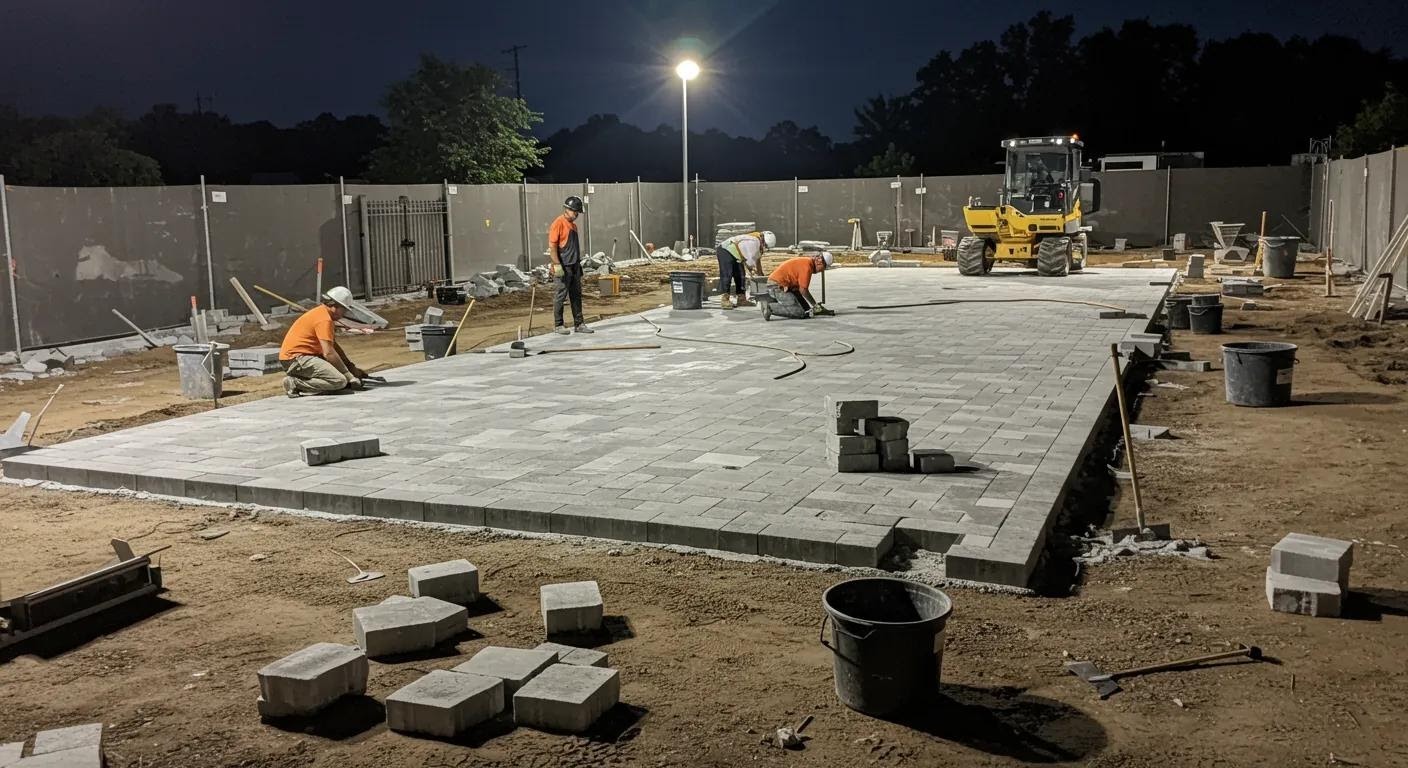
Effective budget management is key to ensuring your pool deck paver installation remains within financial reach. Homeowners can adopt various strategies to control costs and maximize investment durability. Implementing careful planning and negotiation tactics often results in significant savings without sacrificing quality.
Obtaining Multiple Quotes for Your Paver Project
One of the best practices for managing installation costs is to get estimates from several qualified contractors. Multiple quotes allow homeowners to compare pricing details and identify the most competitive option, ensuring that labor, materials, and service quality are well balanced. This process involves reviewing portfolios, checking credentials, and even asking for customer references. Contractors who provide transparent, line-item estimates give insights into how costs are distributed across various project phases. By comparing these details, homeowners can negotiate more effectively and avoid overpricing. Ultimately, obtaining multiple quotes ensures that you receive the best value for your investment while maintaining high standards in workmanship.
Selecting Cost-Effective Paver Materials
Choosing the right materials can have a significant impact on your overall budget. While premium pavers, such as high-end natural stone, have an attractive finish, more affordable options like concrete or brick pavers might provide the desired aesthetic at a lower cost. Homeowners should weigh the benefits of durability and appearance against the price difference. Researching product reviews, seeking contractor recommendations, and asking suppliers for bulk discounts contribute to selecting materials that match budget constraints. Cost-effective materials, when combined with proper installation techniques, can achieve a professional look while keeping expenses under control.
Phasing Your Pool Deck Paver Installation
For large projects or those with budget constraints, phasing the installation process is a viable strategy. Homeowners might consider completing the project in stages, such as initially installing the main deck area and later adding features like coping, steps, or specialized drainage systems. This phased approach allows homeowners to spread the financial burden over time. It offers an opportunity to evaluate the installation's progress and plan subsequent phases more accurately. Additionally, phasing helps manage cash flow and allows adjustments based on feedback or unforeseen challenges encountered during early stages.
Undertaking Some Preparatory Work Yourself
If you have the skills or adequate assistance, handling parts of the preparatory work yourself—such as removing old decking materials, basic grading, or even sourcing base materials—can significantly reduce labor costs. DIY contributions not only save money but also give homeowners more control over project timelines. However, it is essential to be realistic about one’s capabilities and ensure that professional expertise is retained where necessary, particularly in areas that affect the structural integrity of the deck. Homeowners are advised to consult with contractors about which tasks can safely be done independently without compromising quality.
Scheduling Installation During Off-Peak Seasons
Contractors often offer lower rates during off-peak construction seasons when demand is reduced. By scheduling your pool deck installation during these times, you might secure more favorable labor rates and material prices. This strategy requires flexibility in project timelines but can result in significant cost savings. In addition, off-peak scheduling might also allow for a more relaxed project pace, enabling better quality control and fewer rushed decisions. Discussing seasonal pricing trends with reputable contractors can reveal the optimal window for installation that balances quality, availability, and cost efficiency.
Frequently Asked Questions
Q: What factors most significantly affect pool deck paver installation costs? A: Factors such as the choice of paver material, deck size and complexity, labor quality, and additional features like drainage systems, pool coping, and site preparation critically influence overall costs. Regional differences and contractor selection further modify the final price.
Q: How can I ensure that the base material for my pool deck is adequately prepared? A: Ensuring a proper base involves a combination of excavation, grading, and compaction of base materials like gravel and sand. Hiring a professional contractor with experience in paver installations is advisable, as they use specialized equipment to create a stable and level foundation that supports long-term paver durability.
Q: Are there any cost benefits to selecting concrete pavers over natural stone? A: Yes, concrete pavers are generally more affordable than natural stone. While natural stone offers a premium look and extended durability, concrete pavers provide versatility and cost savings at a lower price point, making them a favorite among budget-conscious homeowners without compromising on quality.
Q: What steps can be taken to minimize labor costs during installation? A: Homeowners can obtain multiple quotes, negotiate detailed estimates, and even prepare parts of the project—such as demolition or basic grading—if they have the skills. Scheduling the project during off-peak times and choosing a contractor with competitive rates can also help reduce overall labor expenses.
Q: Why is proper drainage important in pool deck paver installations? A: Proper drainage prevents water from pooling on the surface, which can lead to paver displacement, water damage, or moss and mold growth. Integrating an efficient drainage system during installation not only preserves the paver deck’s integrity but also reduces future maintenance or repair costs.
Final Thoughts

In summary, understanding the myriad factors that contribute to pool deck paver installation costs is vital for making informed project decisions. From material selection and labor charges to site preparation and additional custom features, each element plays a substantial role in the finished investment. Homeowners are encouraged to obtain multiple quotes, carefully select cost-efficient materials, and consider phasing the project to spread costs over time. By planning and negotiating effectively, you can ensure a durable, attractive pool deck that enhances your outdoor living space while staying within budget.