
Natural vs. Artificial Grass: How to Choose the Right Lawn
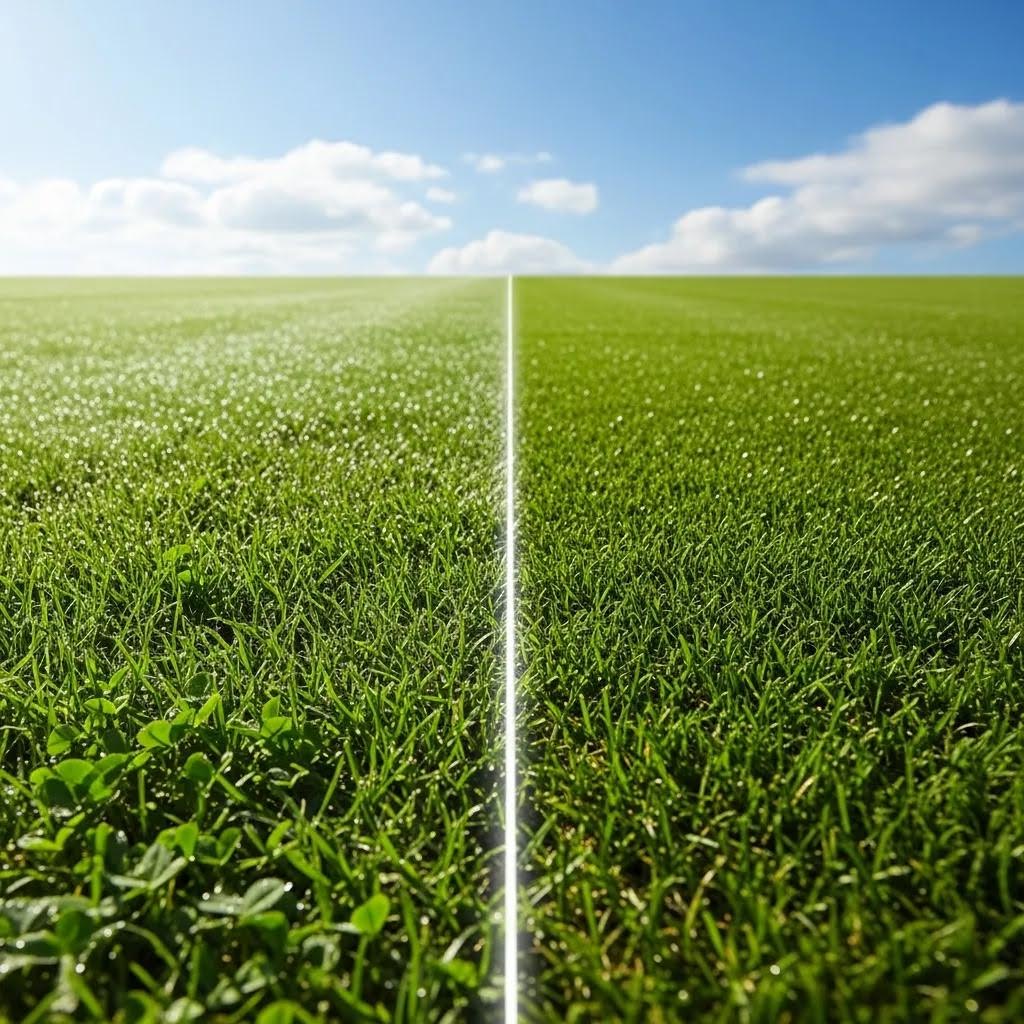
Choosing the right type of grass for your lawn can significantly impact its appearance, maintenance, and overall health. This comprehensive guide will help you navigate the decision between natural grass and artificial turf, focusing on their key differences, maintenance requirements, costs, and environmental impacts. Many homeowners struggle with the upkeep of natural grass, which can be labor-intensive and costly. Conversely, artificial turf offers a low-maintenance alternative that can save time and resources. In this article, we will explore the essential factors to consider, including the differences between natural and artificial grass, maintenance needs, cost analysis, and environmental considerations.
What Are the Key Differences Between Natural Grass and Artificial Turf?
Natural grass and artificial turf serve the same purpose of providing a green lawn, but they differ significantly in composition, maintenance, and aesthetic appeal. Natural grass is composed of various grass species that require soil, water, and sunlight to thrive. In contrast, artificial turf is made from synthetic materials designed to mimic the look and feel of real grass.
The choice between these two options often hinges on several factors, including maintenance requirements, cost, and environmental impact. Understanding these differences can help homeowners make informed decisions that align with their lifestyle and preferences.
How Do Natural Grass Species and Growth Patterns Affect Lawn Care?
Different species of natural grass have unique growth patterns and care requirements. For instance, cool-season grasses, such as Kentucky bluegrass, thrive in northern climates and require regular watering and fertilization during the growing season. Conversely, warm-season grasses, like Bermuda grass, flourish in southern regions and have different watering and mowing needs.
Understanding the specific requirements of the grass species you choose is crucial for maintaining a healthy lawn. Regular mowing, watering, and fertilization are essential to promote growth and prevent weeds. Additionally, the growth patterns of these grasses can affect how often you need to mow, with some species requiring more frequent cuts than others.
What Materials and Installation Methods Define Artificial Turf?
Artificial turf is constructed from a variety of synthetic materials, primarily polyethylene, polypropylene, and nylon. These materials are designed to withstand wear and tear while providing a realistic appearance. The installation process typically involves preparing the ground, laying a base of crushed stone or decomposed granite, and then placing the turf on top.
Proper installation is critical to ensure longevity and performance. A well-installed artificial lawn can last for 15-20 years with minimal maintenance, making it a cost-effective option in the long run. Understanding the materials and installation methods can help homeowners choose high-quality turf that meets their needs.
How Do Maintenance Requirements Compare for Natural and Synthetic Lawns?
The maintenance requirements for natural grass and artificial turf differ significantly, impacting the time and resources needed to keep your lawn looking its best.
Natural grass requires regular mowing, watering, and fertilization to thrive. This can be time-consuming and costly, especially during peak growing seasons. In contrast, artificial turf requires minimal maintenance, primarily occasional cleaning and brushing to keep the fibers upright.
What Are Essential Natural Grass Lawn Care Tips for Healthy Growth?
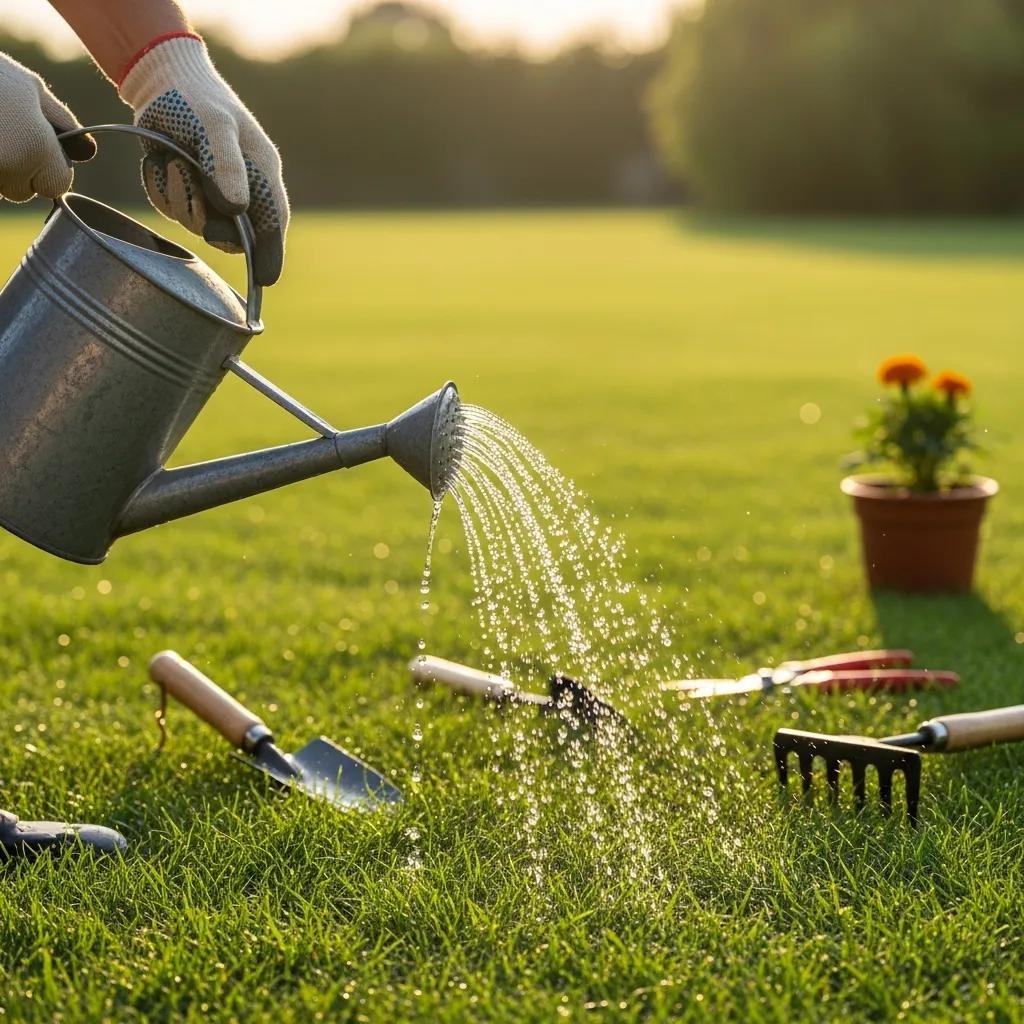
To maintain a healthy natural grass lawn, consider the following essential care tips:
- Watering Schedule: Water deeply and infrequently to encourage deep root growth. Aim for about 1 inch of water per week, adjusting for rainfall.
- Fertilization: Use a balanced fertilizer during the growing season to provide essential nutrients. Follow the recommended application rates for your specific grass type.
- Mowing: Mow regularly to maintain the desired height, which varies by grass species. Avoid cutting more than one-third of the grass height at a time to prevent stress.
Implementing these tips can help ensure your natural grass lawn remains lush and healthy throughout the growing season.
How Is Synthetic Grass Maintenance Managed for Longevity?
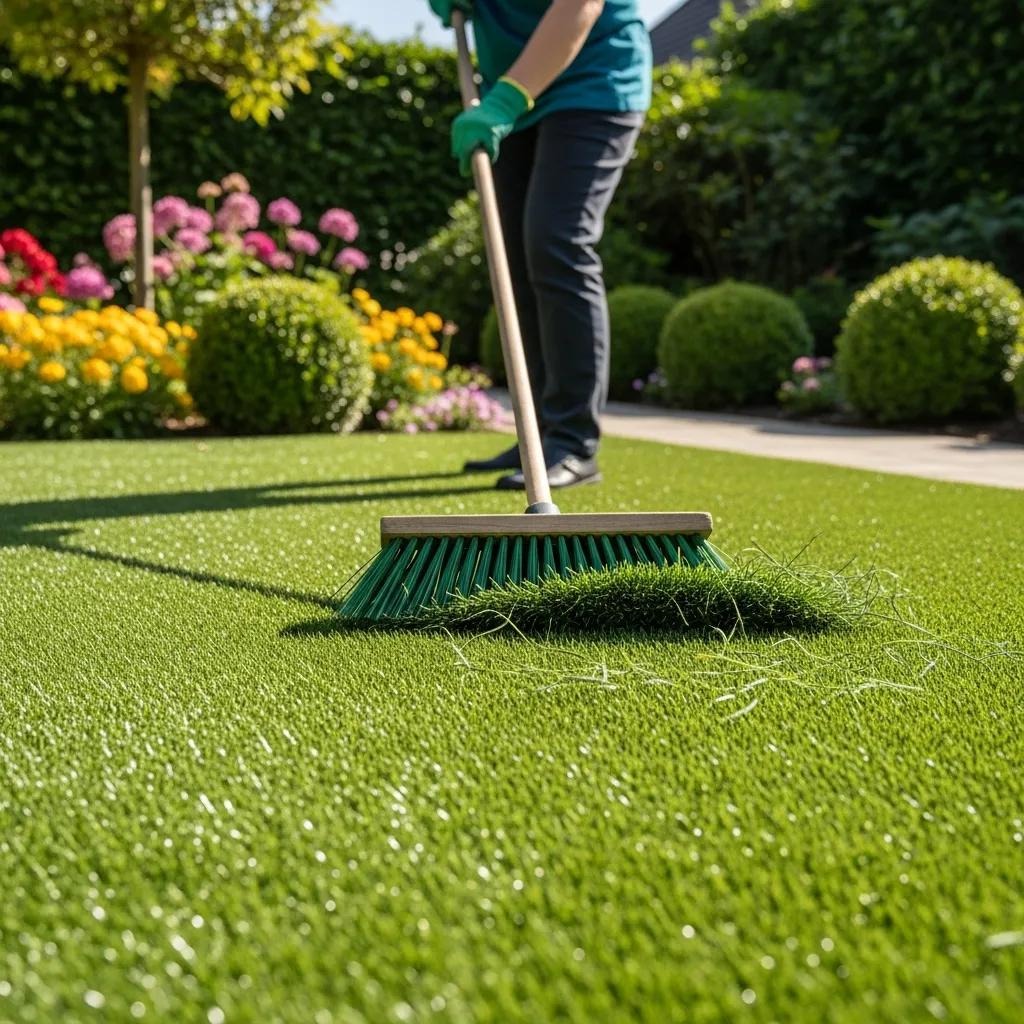
Maintaining synthetic grass is straightforward and requires less effort than natural grass. Here are some key maintenance practices:
- Regular Cleaning: Rinse the turf with water to remove dust, debris, and pet waste. A mild detergent can be used for tougher stains.
- Brushing: Use a stiff-bristled broom or a power brush to brush the turf fibers regularly, helping to keep them upright and looking natural.
- Weed Control: While artificial turf is resistant to weeds, occasional weeding may be necessary. Use a weed barrier during installation to minimize growth.
By following these maintenance practices, homeowners can extend the life of their synthetic grass and keep it looking fresh.
What Are the Cost Factors and ROI of Artificial Turf Installation vs. Natural Grass Care?
When considering the financial implications of natural grass versus artificial turf, several cost factors come into play. Initial installation costs, ongoing maintenance expenses, and potential return on investment (ROI) should all be evaluated.
How Much Does Artificial Turf Installation Cost and What Influences Pricing?
The cost of installing artificial turf can vary widely based on several factors, including the quality of the turf, the size of the area, and the complexity of the installation. On average, homeowners can expect to pay between $7 to $20 per square foot for artificial turf installation.
Factors influencing pricing include:
- Turf Quality: Higher-quality turf with better durability and aesthetics typically costs more.
- Installation Complexity: Areas requiring extensive preparation or drainage solutions may incur additional costs.
- Geographic Location: Prices can vary based on local labor rates and material availability.
Investing in high-quality artificial turf can yield significant long-term savings in maintenance costs compared to natural grass.
What Are the Ongoing Costs of Maintaining a Natural Grass Lawn?
Maintaining a natural grass lawn involves several ongoing costs, including:
- Watering: Depending on local water rates, irrigation can be a significant expense, especially in dry climates.
- Fertilization: Regular fertilization is necessary to keep the grass healthy, adding to the overall cost.
- Mowing and Maintenance: Hiring a lawn care service or purchasing equipment for mowing and maintenance can also contribute to expenses.
These costs can add up over time, making artificial turf an attractive alternative for homeowners seeking to reduce their lawn care budget.
Studies have further quantified these ongoing expenses, comparing the economic effectiveness and quality of various natural lawn management programs.
Natural Lawn Care Costs & Quality Comparison
We evaluated aesthetic (lawn quality), biological (weeds and insect pests), and economic (management costs) effectiveness of a commercial, consumer, integrated pest management (IPM), organic, and an untreated lawn care program. The commercial program had the highest lawn quality while the untreated program had the lowest. Annual costs were highest in the commercial ($382/0.05 ha) followed by the organic ($305/0.05 ha), IPM ($252/0.05 ha), and consumer program ($127/0.05 ha), respectively. We conclude that the commercial program produced the highest lawn quality, weed and insect control, and was the most expensive. The IPM and organic programs were cheaper than the commercial program and produced slightly lower lawn quality.
Comparative evaluation of aesthetic, biological, and economic effectiveness of different lawn management programs, DS Richmond, 2009
How Do Environmental Impacts and Sustainability Differ Between Natural and Artificial Grass?
The environmental impacts of natural grass and artificial turf are important considerations for homeowners. Each option has its own set of benefits and drawbacks regarding water usage, carbon footprint, and sustainability.
What Is the Water Usage and Carbon Footprint of Natural Grass?
Natural grass requires significant water to maintain its health, especially in warmer climates. On average, a natural grass lawn can consume up to 55 gallons of water per square foot per year, which can translate to roughly 1,000 to 1,200 gallons of water per month during peak growing seasons for an average-sized lawn. This high water usage can strain local water resources, particularly in drought-prone areas.
Additionally, the carbon footprint associated with maintaining a natural grass lawn includes emissions from mowing equipment and fertilizers. Homeowners can mitigate these impacts by using eco-friendly practices, such as organic fertilizers and electric mowers.
Further research highlights the importance of evaluating the environmental costs associated with different natural lawn care practices, particularly when comparing synthetic and organic approaches.
Environmental Impact of Natural Lawn Care
Measuring Environmental Value for Natural Lawn and Garden Care Practices provides a life cycle assessment and impacts valuation methodology to quantify environmental (public health and ecological) and water conservation benefits from natural lawn and garden care practices. The study uses life cycle assessment (LCA) methods to inventory pollutant generation from a synthetic nutrients and pesticide approach to lawn and garden care compared against a natural/organic care approach. It applies EPA's TRACI and CalTOX models to assess six environmental impact categories, developing cost valuation estimates for the environmental cost of the two archetypical lawn and garden care methods. LCA methods provide an informative methodology for comparing environmental impacts from lawn and garden care practices, revealing the importance of more natural practices.
Measuring environmental value for natural lawn and garden care practices, J Morris, 2008
Are Artificial Turf Materials Eco-Friendly and Recyclable?
Artificial turf is made from synthetic materials, which raises concerns about its environmental impact. While it does not require water or fertilizers, the production and disposal of synthetic turf can contribute to environmental issues.
However, many manufacturers are now producing eco-friendly artificial turf options made from recycled materials. Additionally, some turf products are designed to be recyclable at the end of their lifespan, reducing landfill waste. Homeowners should research and choose products that prioritize sustainability.
Which Lawn Type Offers Better Durability and Aesthetic Benefits?
When comparing natural grass and artificial turf, durability and aesthetics are key factors that influence homeowner preferences.
Natural grass can be susceptible to wear and tear, especially in high-traffic areas. However, with proper care, it can provide a lush and vibrant appearance. The aesthetic appeal of natural grass is often favored for its organic look and feel.
How Does Natural Grass Durability Vary by Species and Climate?
The durability of natural grass varies significantly based on the species and the climate in which it is grown. For example, Bermuda grass is known for its resilience and ability to withstand heavy foot traffic, making it ideal for sports fields and high-use areas. In contrast, fescue grasses may be more prone to damage in high-traffic situations but offer a lush appearance in cooler climates.
Understanding the specific characteristics of different grass species can help homeowners select the best option for their lawn's durability needs.
What Advances in Synthetic Grass Improve Durability and Appearance?
Recent advancements in synthetic grass technology have led to improved durability and aesthetics. Innovations include:
- Enhanced Fiber Technology: Newer turf products feature advanced fiber technology that mimics the look and feel of natural grass while providing greater resilience against wear.
- Infill Systems: Modern infill systems help maintain the turf's structure and provide cushioning, enhancing the overall experience.
- UV Resistance: Improved UV resistance prevents fading and degradation from sunlight, ensuring the turf maintains its vibrant color over time.
These advancements make synthetic grass a competitive option for homeowners seeking a durable and attractive lawn solution.
What Common Questions Should You Consider When Choosing Your Lawn Type?
When deciding between natural grass and artificial turf, several common questions arise that can help guide your choice.
Is Synthetic Grass Safe for Pets and Children?
Yes, synthetic grass is generally safe for pets and children. Most modern artificial turf products are made from non-toxic materials and are designed to withstand heavy use. Additionally, they do not harbor pests like fleas or ticks, making them a safer option for families with pets.
How Often Do You Need to Water and Mow Natural Grass?
Natural grass typically requires watering about once a week, depending on the climate and grass species. Mowing frequency varies by species and growth rate, but most lawns need to be mowed every 1-2 weeks during the growing season. Regular maintenance is essential to keep the lawn healthy and looking its best.