
Paver Types That Transform Your Outdoor Space
Key Takeaways
- Pavers come in a wide range of materials that can elevate the aesthetics and durability of outdoor spaces.
- Each paver type offers unique benefits, installation techniques, and design possibilities for patios, driveways, and walkways.
- Proper installation, including base preparation and jointing, is crucial for long-term performance.
- Homeowners can enhance the beauty and functionality of their outdoor areas with options such as concrete, brick, natural stone, porcelain, and permeable pavers.
Diverse Paver Materials to Elevate Your Landscape Design
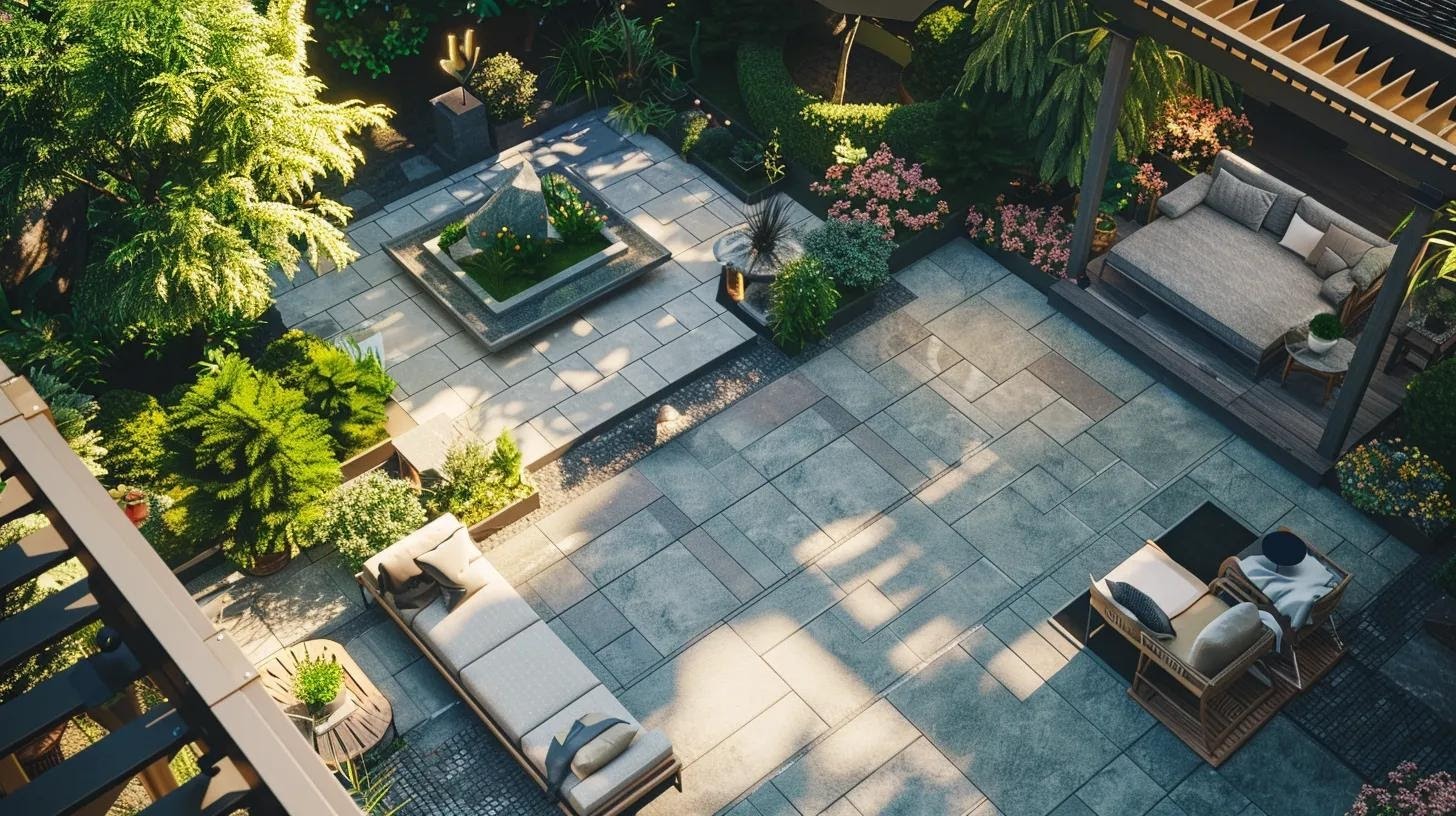
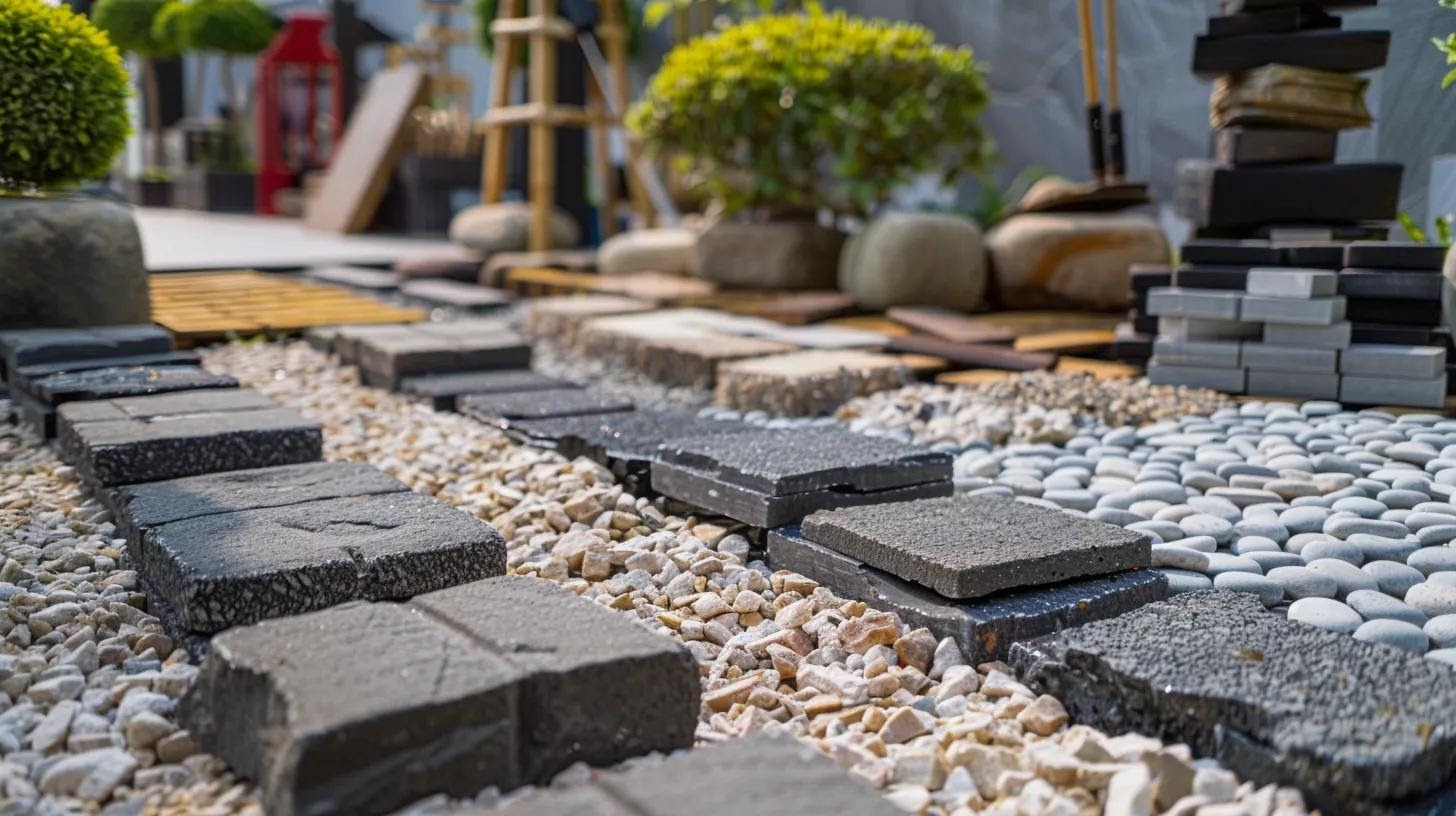
Exploring the diverse materials available for pavers can transform an ordinary outdoor space into a stunning landscape. Concrete pavers offer excellent versatility and strength due to their engineered composition, making them ideal for modern patios and driveways. They are available in a variety of colors and textures, which allows homeowners to closely match their overall design aesthetics. Classic brick pavers, on the other hand, provide timeless appeal with their warm colors and traditional look, perfectly complementing vintage or rustic settings.
Natural stone pavers carry an air of luxury and sophistication; their unique veining and color variations create a natural, elegant outdoor surface. Porcelain pavers deliver a modern style and exceptional durability, resisting stains and fading even in high-traffic areas. For those who are environmentally conscious, permeable pavers offer an eco-friendly paving solution that promotes sustainable drainage and reduces stormwater runoff. Homeowners looking to enhance their outdoor spaces with style and functionality can choose the material that best suits their design vision and maintenance expectations. Each material, whether it’s the modern flair of porcelain or the classic charm of brick, presents distinct pros and cons that should be considered carefully during planning.
Key Paver Installation Techniques for a Flawless Finish
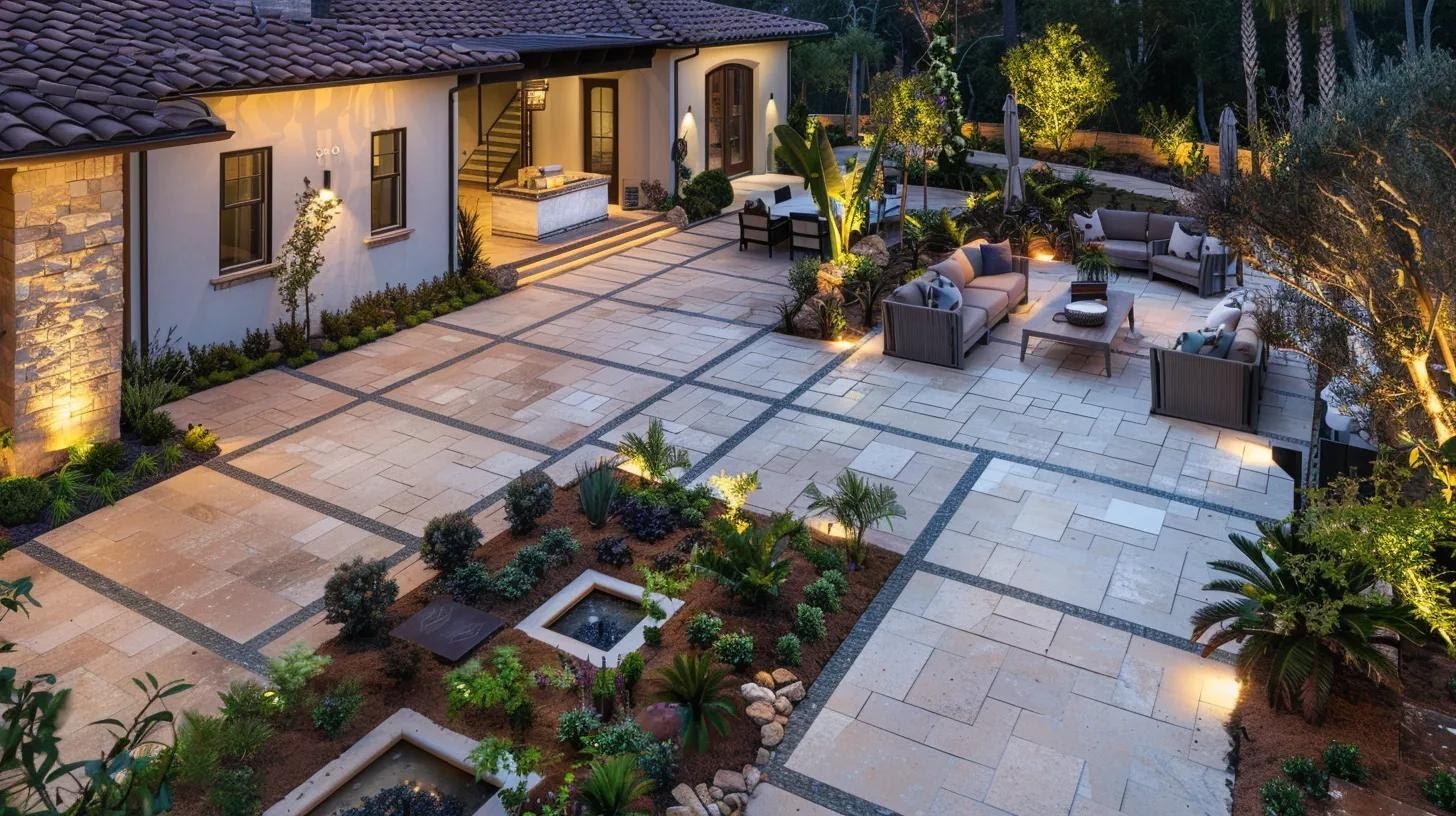
Achieving a flawless paver installation involves applying several key techniques that ensure longevity and visual appeal. Proper base preparation is crucial; a well-compacted base layer of crushed stone or gravel creates a solid foundation for the pavers, reducing movement and future settlement. Accurately setting the pavers is the next step and emphasizes the importance of leveling each piece to create an even surface that minimizes tripping hazards. Effective use of edge restraints prevents the pavers from shifting over time, preserving both the design and structure.
Choosing and applying jointing sand correctly fills the gaps between pavers, stabilizes them, and prevents weed growth. Finally, sealing the pavers after installation is vital, as it protects against staining and damage from weather extremes while preserving the natural color and texture. These techniques, when implemented correctly, enhance the durability of the installation and maintain a professional appearance for years to come. Each step in the process—from the site preparation to sealing—plays a role in ensuring that the outdoor space remains both functional and beautiful.
Exploring Different Paver Installation Options
Homeowners have multiple options when it comes to installing pavers, each with its own set of benefits that suit different budgets and skill levels. DIY paver installation involves careful planning, purchasing the correct materials, and performing the work with professional-grade tools; it is a rewarding project that can result in a personalized outdoor space. For those who prefer a hassle-free process, professional paver installation services guarantee expert workmanship, particularly important when dealing with complex layouts or challenging sites.
Comparing sand-set versus mortar-set paver installations reveals that sand-set pavers allow for flexibility and ease of repair, while mortar-set pavers offer a solid, permanent bond ideal for areas with heavy traffic. Interlocking paver installation methods deliver additional strength by using pavers designed to fit together; this method helps distribute loads evenly and minimizes the risk of shifting during freeze-thaw cycles. Flexible base installation techniques incorporate layers that adapt to minor ground movements, thereby increasing the longevity of the setup. These various installation options allow homeowners to choose the method that best aligns with their practical needs and design goals.
Matching Paver Types to Specific Outdoor Areas
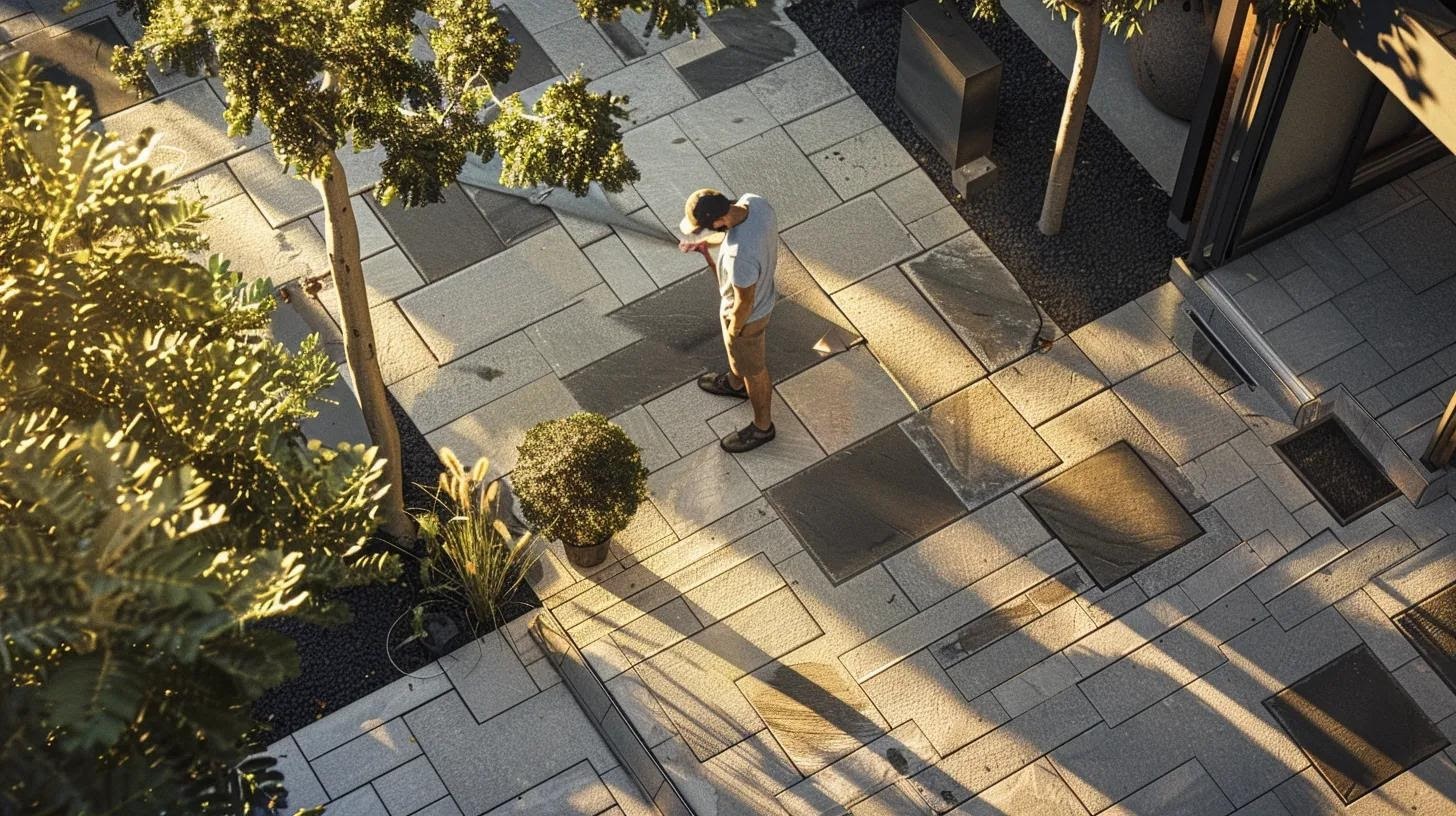
Selecting the right paver type for specific outdoor areas is essential for maximizing functionality and beauty. Ideal pavers for patios and entertainment spaces must offer a balance of aesthetic appeal and durability, ensuring a comfortable environment for gatherings. Driveways and high-traffic zones require durable paver choices that can withstand constant use and resist cracking. When designing inviting walkways, the right paver style not only enhances visual interest but also ensures safety and ease of navigation. Around pools, paver options need to be both stylish and slip-resistant to promote safety. Finally, creating beautiful garden paths with various paver types allows for the addition of decorative accents and differentiation between various landscaped zones. Homeowners can combine color, texture, and pattern to craft diverse outdoor settings that serve multiple purposes while staying coherent with the overall property design.
Design Strategies Using Paver Styles and Patterns

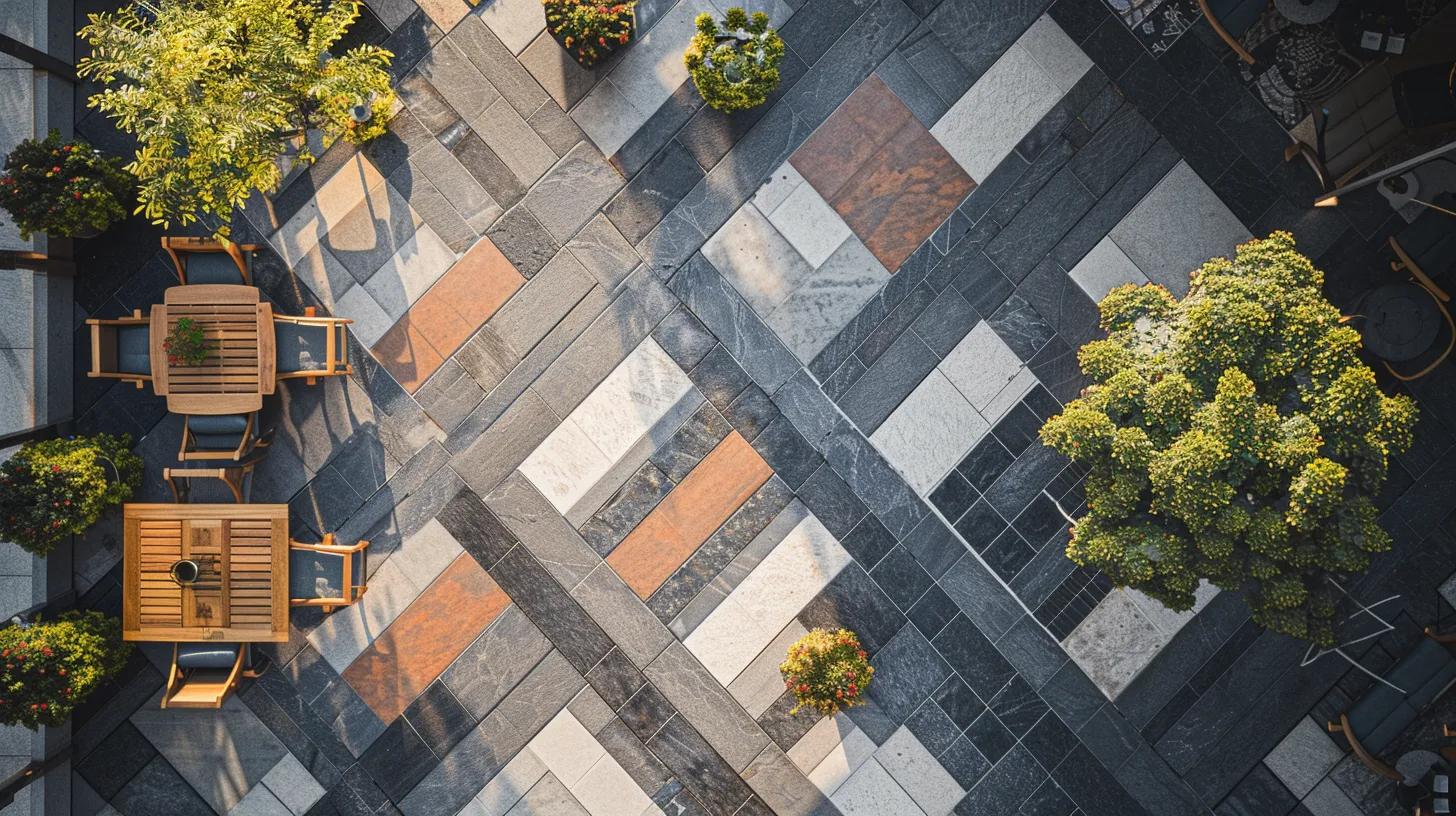
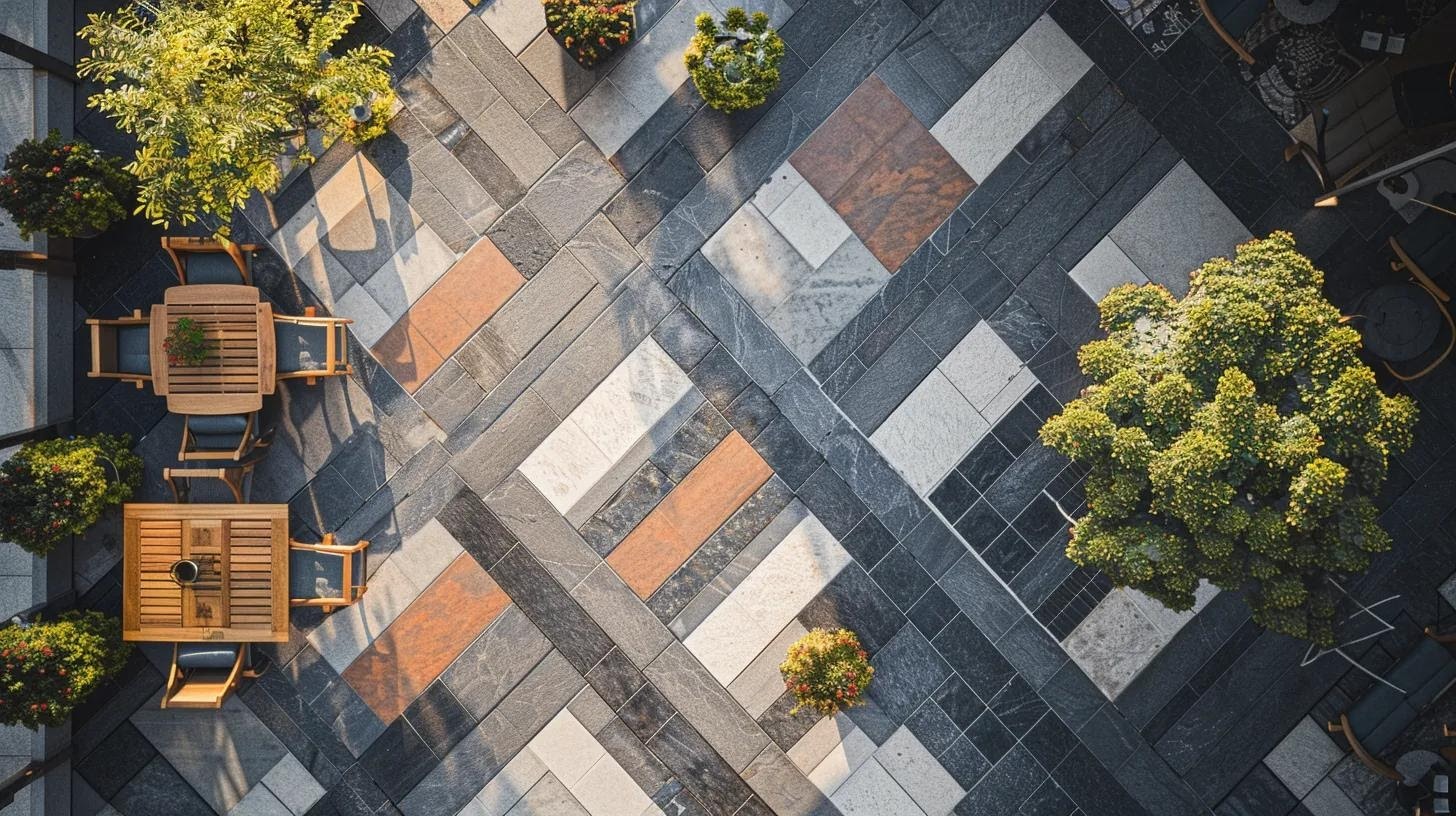
Effective design strategies using paver styles and patterns can dramatically transform outdoor spaces. Achieving visual interest through different paver laying patterns is a method that involves using geometric shapes or mixing various sizes to create a mosaic-like appearance. Combining paver colors and textures allows for unique designs that reflect personal style while ensuring functional durability. Incorporating borders and accents in paver layouts can define spaces within larger areas, offering distinct zones for seating or dining. Modern paver designs emphasize sleek, minimal lines and contemporary materials, making them ideal for upscale urban environments. In contrast, rustic paver styles evoke a sense of tradition and charm, typically appealing to those who desire a more natural, organic look in their gardens or backyard retreats.
Essential Steps in Planning Your Paver Installation Project
Proper planning is vital for a successful paver installation project. Budgeting for both paver types and installation costs requires careful cost estimation and evaluation of trade-offs between different materials and methods. Obtaining necessary permits is an essential legal step that avoids future complications. Selecting the right tools—from compactors and screeds to shovels and rakes—ensures efficient installation and high-quality work. Long-term maintenance plans, including regular cleaning and periodic resealing, help protect the investment and retain aesthetic appeal. Considering drainage solutions is also critical, especially in areas with heavy rainfall; proper drainage prevents water pooling and subsequent damage to both the pavers and the underlying structure. A detailed and thoughtful planning approach not only lays the groundwork for a successful project but also ensures that the outdoor space remains resistant to future wear and environmental challenges.
Final Thoughts
In summary, understanding the range of paver types and proper installation techniques is essential for transforming outdoor spaces into durable, attractive areas. Each material—from concrete to natural stone—offers distinctive properties suited to different design needs. Meticulous planning, incorporating techniques like proper base preparation and sealing, ensures that the finished installation endures while enhancing the beauty and functionality of patios, driveways, and walkways. Homeowners are encouraged to explore the various options available and invest in professional-grade workmanship for long-lasting results.
Frequently Asked Questions
Q: What are the benefits of using concrete pavers? A: Concrete pavers are versatile and durable, offering a wide range of colors and textures. They are ideal for modern patios and driveways and are cost-effective while providing excellent load-bearing capacity.
Q: How do permeable pavers contribute to environmental sustainability? A: Permeable pavers allow water to seep through, reducing runoff and recharging groundwater. This eco-friendly option helps manage stormwater and minimizes erosion, making it a sustainable choice for eco-conscious homeowners.
Q: What is the most important installation technique for long-lasting pavers? A: Proper base preparation is crucial. A compacted base of crushed stone or gravel ensures stability and minimizes future settling, which in turn prolongs the lifespan of your paver installation.
Q: Can DIY installation achieve professional results? A: Yes, with careful planning and the right tools, DIY installation can be effective. However, professional installation ensures expert workmanship and may be preferable for complex designs or areas with heavy traffic.
Q: How often should pavers be resealed? A: Resealing is typically recommended every 2-3 years to protect against staining and weather damage, ensuring the pavers maintain their color and structural integrity over time.