
Pool Deck Paver Contractors vs DIY: What to Choose?
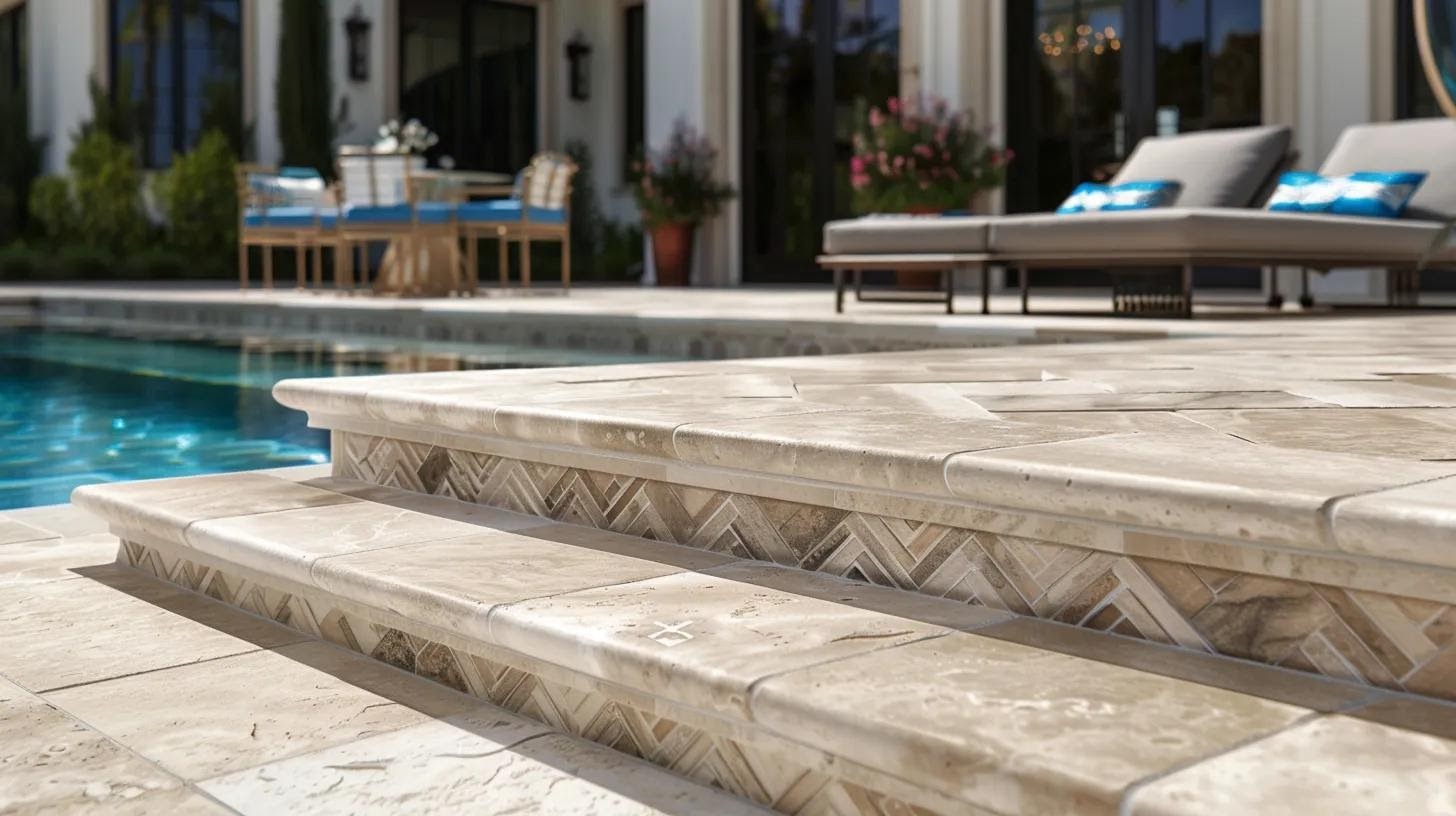
Do you dream of a beautiful, durable pool deck that enhances your outdoor living space while withstanding extreme weather, heavy use, and the test of time? Homeowners often face the critical decision of hiring professional pool deck paver contractors versus tackling a DIY project. This article examines the complexity of pool deck paver projects, weighs the advantages of a DIY approach, and highlights the benefits of professional installation. It will also guide you through a contractor selection process, financial comparisons, and ultimately help you decide which path suits your budget, skill level, and vision.
Key Takeaways
- Pool deck paver projects require careful planning regarding design scale, site preparation, and drainage challenges.
- A DIY approach can offer substantial cost savings and personal satisfaction but comes with risks of errors and time delays.
- Professional contractors provide expertise, quality workmanship, efficient project management, and adherence to local building codes.
- Financial comparisons reveal hidden costs in both DIY and professional methods, guiding the best decision based on long-term value.
- The decision ultimately depends on your skills, resources, and tolerance for potential DIY mistakes.
Assessing Your Pool Deck Paver Project Complexity
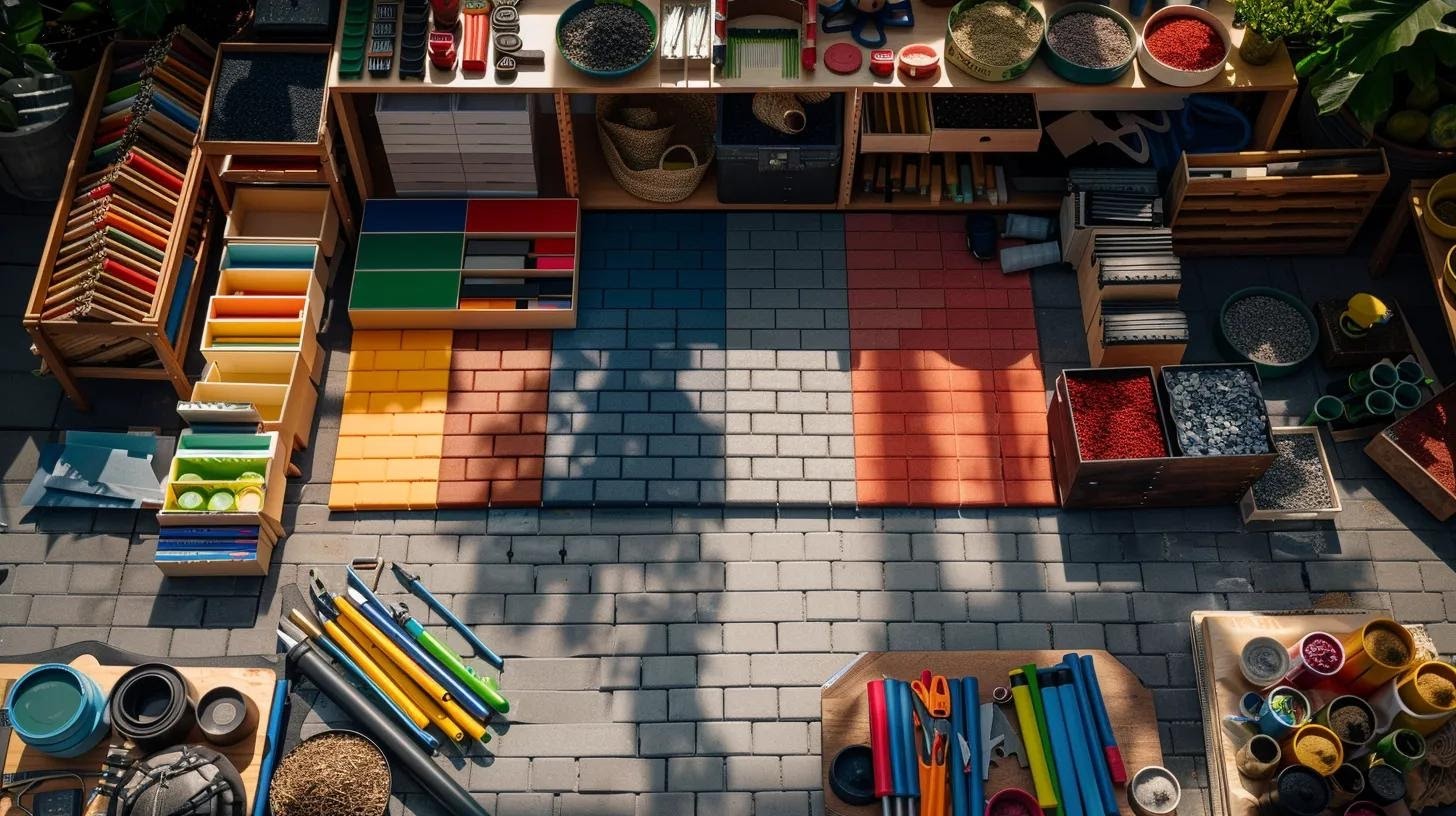
Understanding your pool deck paver project begins with assessing the overall complexity. Homeowners must evaluate various factors ranging from the scale of their vision to site-specific challenges that may affect installation results. When determining the scope, one should consider the dimensions of the area, the choice of materials (cobblestone, travertine, natural flagstone, or porcelain pavers), and the intended layout design. Projects that involve intricate patterns and multiple paver types typically have a higher level of complexity.
Understanding the Scale of Your Pool Deck Vision
The first step is to visualize the pool deck in its entirety. Do you envision a sprawling area filled with mosaic patterns or a simple, unified design that complements the surrounding landscape? The scale of your vision influences material choices, required manpower, and overall project duration. Larger projects demand more precise measurements and planning, particularly when extreme weather or shifting soil conditions might impact the final layout. Accurate scaling ensures a balanced design that integrates well with your home's aesthetics.
Identifying Necessary Skills for Paver Installation
Next, evaluate the skills needed for paver installation. Properly setting pavers involves precise layout, leveling, cutting, and securing based on the underlying foundation and drainage requirements. DIY enthusiasts must have or be willing to learn specific techniques to align each paver correctly while managing tools like plate compactors, wet saws, or vibratory rollers. Without adequate expertise, even minor mistakes can lead to misaligned surfaces or poor durability, which may compromise the beauty and longevity of your pool deck.
Evaluating Site Preparation Requirements for Pavers
Before installation, significant site preparation is required. This includes excavating the area, ensuring proper foundation stability, and applying a suitable base layer like crushed stone or sand. Preparation must accommodate factors such as soil type, potential water runoff, and underlying utilities. Missteps during this phase could lead to uneven surfaces or compromised drainage, impacting the durability and lifespan of the pool deck. Homeowners should conduct a thorough site evaluation and consult material experts if uncertain about the proper techniques.
Considering Drainage and Grading Challenges
An essential aspect of any outdoor hardscape project is drainage. It is critical to ensure that water runoff does not pool on your pool deck or seep into areas where it can cause damage. Proper grading directs water away from critical components, protecting both the paver structure and the surrounding landscape. This challenge is compounded in areas with heavy rainfall or environmental factors that encourage moisture retention. An inaccurate grading plan can result in water stress on the pavers, premature cracking, and mold development—issues that may necessitate costly repairs down the line.
Determining Your Timeline for Project Completion
Finally, set a realistic timeline for your project. A DIY approach requires careful scheduling, factoring in weather delays, learning curves, and unforeseen complications during installation. Professional contractors, while more expensive, typically offer streamlined project management and faster turnaround times due to their experience and methodical planning. Whether you decide to go the DIY route or hire professionals, aligning your timeline with realistic expectations can help ensure the project is completed efficiently and to a high standard.
Weighing the Advantages of a DIY Pool Deck Paver Installation
Taking the DIY route for pool deck paver installation can be an appealing option for those who enjoy hands-on projects and want to have full creative control over the design and execution. There are several advantages to a DIY project—but it is important to weigh these benefits against potential challenges and risks.
Calculating Potential Cost Savings With a DIY Approach
DIY projects can significantly lower labor costs. By performing the work yourself, you may save hundreds or even thousands of dollars that would otherwise go to professional contractors. However, it is essential to factor in the cost of renting necessary tools, purchasing materials in smaller quantities, and potential mistakes that may lead to expensive rework. For budget-conscious homeowners, a carefully planned DIY project can be a cost-effective solution when every dollar saved is put towards high-quality pavers and design features.
Gaining Personal Satisfaction From a Hands on Project
There is a profound satisfaction that comes with executing a project yourself. Whether it’s the pride in overcoming complex installation challenges or the joy of customizing every aspect of your pool deck, the DIY route allows you to imprint your personality on the finished product. Homeowners often find that the personal touch added to every step—from layout to final cleaning—translates into a stronger emotional connection with the space, fostering a sense of achievement and connection to their property.
Controlling the Project Schedule and Pace Yourself
A primary benefit of DIY installations is the ability to control the project timeline. Unlike contractors who juggle multiple projects simultaneously, you can adjust your work pace based on your availability and comfort level. This flexibility is crucial when managing a large-scale outdoor project that might otherwise disrupt your household routine. Although delays due to weather or personal commitments can occur, many homeowners appreciate the freedom to progress at a steady, manageable pace.
Learning New Skills Through Paver Installation
Embarking on a DIY pool deck project is an excellent opportunity to acquire new construction and landscaping skills. From mastering the intricacies of layout design to understanding material properties and installation techniques, every step of the process is a learning experience. This acquired expertise will not only be valuable for future home improvement projects but also contribute to your overall self-reliance when facing renovations around the house. Additionally, many community centers and online tutorials provide resources, ensuring that even novices can achieve professional-quality results with enough persistence.
Customizing Your Pool Deck Design Directly
Perhaps the most compelling advantage of a DIY project is the complete control it gives you over design elements. Without needing to compromise with a contractor's preferences, you can choose specific paver patterns, colors, and textures that perfectly complement your home’s landscape. Customization extends to the inclusion of unique features such as fire pits, integrated lighting, or decorative inlays. This level of personalization ensures that your pool deck not only serves as a functional space but also as a reflection of your individual style and creativity.
Recognizing the Benefits of Professional Pool Deck Paver Contractors
While DIY may offer cost savings and personal satisfaction, professional pool deck paver contractors bring expertise and reliability that are hard to match. For homeowners who value durability and long-term performance, relying on seasoned professionals might be the optimal choice.
Accessing Expertise and Years of Paver Installation Experience
Professional paver installers have honed their craft through years of experience and extensive training, ensuring that every project meets industry standards. They understand the nuances of various materials—whether it’s natural stone, concrete, or porcelain—and can advise on the best options based on project requirements and environmental conditions. Their accumulated expertise minimizes the risk of missteps that could lead to serious functional or aesthetic issues over time. Moreover, professionals are well-equipped to handle unexpected complications, ensuring that even complex installations are managed competently.
Ensuring Quality Workmanship and Lasting Results
Superior workmanship is a hallmark of professional contractors. Detailed attention to layout, precise leveling, and proper securing of materials translate into a pool deck that not only looks impressive but also withstands the rigors of daily use and environmental stress. With the increased longevity of professionally installed pavers, homeowners can enjoy peace of mind knowing that their investment is protected by quality standards that DIY projects might not meet. High-quality installation is often accompanied by a warranty, which serves as an assurance against potential future damages and repair costs.
Saving Time and Effort With Efficient Project Management
Time is a valuable resource, and professional contractors are adept at streamlining project timelines. By handling everything from procurement to site preparation and final installation, they significantly reduce the overall time required for project completion. Their project management skills ensure that tasks are completed in the correct sequence, avoiding delays that might occur in DIY projects. Hiring professionals means that you can focus on other important aspects of your life while experts deliver a finished product on time and within budget.
Understanding Warranties and Guarantees Offered by Contractors
One of the key advantages of hiring professionals is the access to warranties and service guarantees. Reputable contractors stand behind their work with warranties that cover workmanship and, in some cases, materials. These guarantees mean that if issues arise later on, the contractor will address them without additional cost, protecting your investment over the long term. For homeowners, this represents a significant benefit—professional installation minimizes the risk of costly future repairs and provides continual value through maintenance support.
Navigating Permits and Local Building Codes With a Pro
Navigating local building codes and obtaining the necessary permits can be a daunting task for any homeowner. Professional pool deck paver contractors are familiar with local regulations and have established relationships with local authorities. This knowledge ensures that all work is performed in compliance with legal requirements, reducing the risk of fines or rework associated with zoning violations. By entrusting this aspect of the project to professionals, homeowners can avoid bureaucratic complications and ensure that their pool deck is both safe and legally compliant.
A Comprehensive Pool Deck Paver Contractor Selection Guide
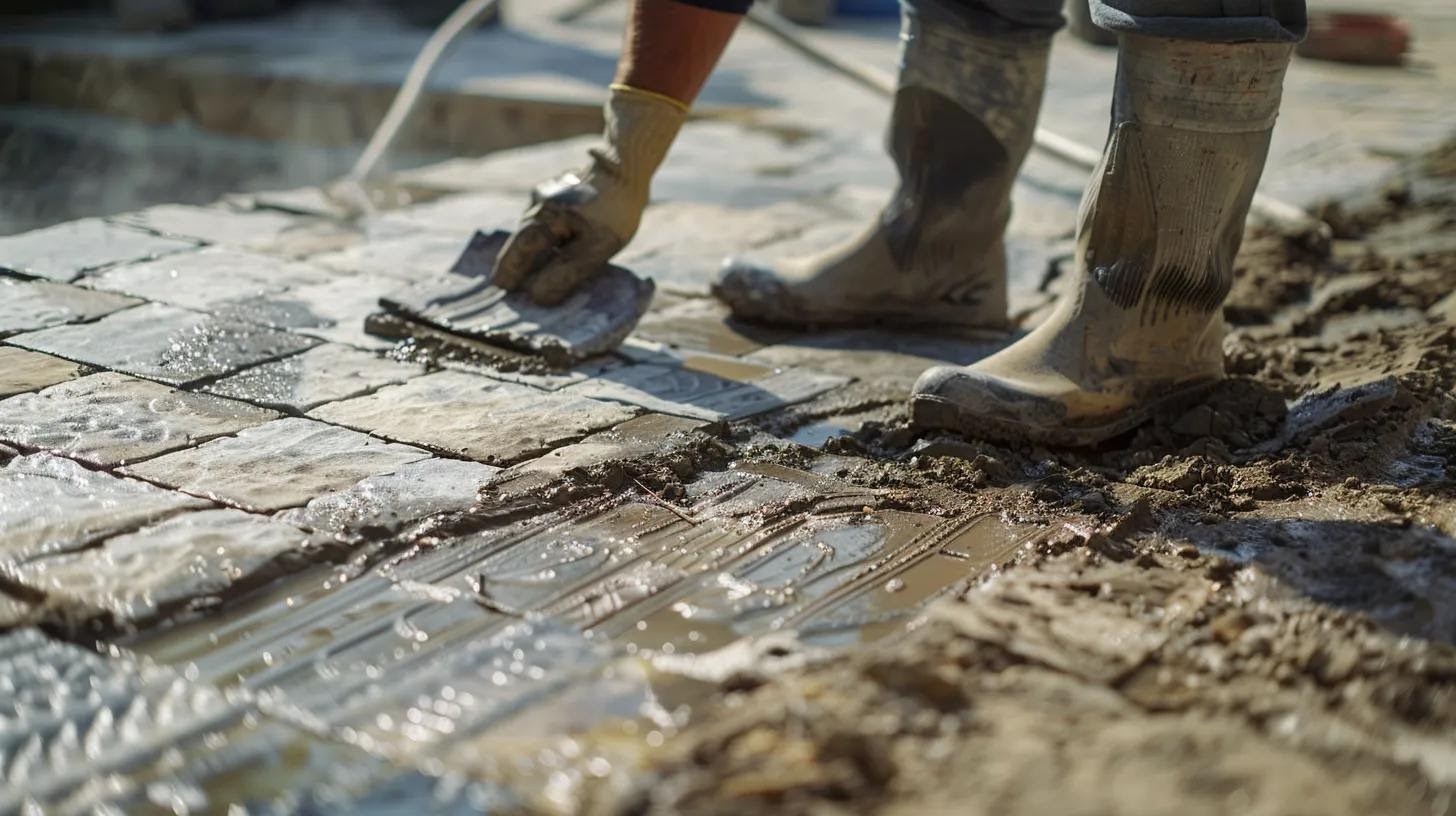
Selecting the right contractor for your pool deck paver project is critical to achieving a high-quality, durable result. An effective selection process involves thorough research, verification of credentials, and careful comparisons of estimates and services offered. Follow these guidelines to navigate the process and secure the best professional help available.
Researching Local Pool Deck Paver Specialists
Start by compiling a list of local contractors who specialize in pool deck installations. Utilize online reviews, recommendations from friends and family, and local trade associations to identify reputable companies. Look for contractors with extensive portfolios that showcase previous projects similar to your envisioned design. A well-researched list ensures you begin with professionals who have a strong background in both aesthetics and technical execution.
Verifying Credentials, Licensing, and Insurance
Once you have a shortlist, verify that each contractor holds the necessary licenses, permits, and insurance. Proper credentials ensure the contractor meets local and industry standards, reducing the risk of shoddy workmanship. Insurance is crucial, as it protects you from liability in the event of accidents or damages during installation. Request documentation and verify the details through local regulatory bodies or industry associations to be confident in the contractor’s legitimacy.
Reviewing Portfolios and Client Testimonials
A contractor’s portfolio is a tangible measure of their capabilities. Examine project photos, design details, and before-and-after comparisons to assess quality and consistency. Client testimonials and reviews offer valuable insights into the contractor’s communication, reliability, and attention to detail. Positive feedback and a strong portfolio suggest a contractor who is capable of delivering a pool deck that meets your functional and aesthetic expectations.
Obtaining Multiple Quotes and Comparing Estimates
It is wise to gather multiple quotes before deciding on a contractor. A detailed estimate should break down all costs, including materials, labor, and any additional fees for permits or equipment rentals. Comparing quotes not only ensures you receive a competitive price but also helps in evaluating the services on offer. Remember, the lowest bid is not always the best option—a slightly higher quote from a reputable contractor with excellent references is often a better investment in the long run.
Asking Key Questions Before Hiring a Paver Contractor
Prior to signing a contract, prepare a list of critical questions for the contractor. Inquire about their experience with similar projects, their approach to addressing site-specific challenges such as drainage or weather-related issues, and how they handle unexpected complications. Ask for details regarding their warranty coverage, timeline estimates, and methods for quality assurance. Clear, direct communication during this phase is essential to establish a trustworthy working relationship and ensure that expectations are aligned from the start.
Comparing Financial Aspects: DIY Versus Hiring Pool Deck Paver Contractors

Evaluating the financial implications of building your pool deck through DIY methods versus hiring professional contractors is fundamental to making an informed decision. Each option comes with distinct cost structures, hidden expenses, and long-term value considerations. A detailed financial comparison can reveal surprising insights into which method ultimately offers the best investment for your home.
Breaking Down Material Costs for DIY Paver Projects
When you opt for a DIY project, you bear the full brunt of material costs. This includes purchasing pavers, base materials like sand or gravel, edging, and sealants. Although suppliers may offer discounts on bulk purchases, the DIY route can sometimes result in higher per-unit costs compared to a contractor who sources materials at wholesale prices. Homeowners should carefully calculate the total cost of materials and factor in potential wastage or errors that may require additional purchases.
Factoring in Tool and Equipment Rental or Purchase for DIY
Beyond raw materials, DIY projects necessitate investments in specialized tools and equipment. Hiring or purchasing tools—such as a wet saw, plate compactor, or leveling devices—adds to the overall expense. While these costs may be shared across multiple projects over time, for a single project they can significantly impact your budget. A professional contractor, in contrast, already owns the equipment and amortizes these costs over many installations, often resulting in greater cost efficiency.
Understanding the Full Cost of Professional Paver Installation
Professional installation costs encompass not only materials and labor but also the expertise, project management, and quality assurances that come with hiring a contractor. Although this option may appear more expensive upfront, it includes several value-added services such as precise measurements, proper site preparation, expert handling of drainage challenges, and reliable warranties. When considering the long-term durability and reduced risk of repair, the investment in professional labor often proves cost-effective over time.
Evaluating Long Term Value and Potential Repair Costs
An improperly installed pool deck can lead to expensive repairs in the future. Issues such as uneven surfaces, inadequate drainage, or premature paver shifting can result in additional maintenance costs. A professionally installed deck not only enhances aesthetic appeal but also offers a longer lifespan and better resistance to environmental challenges. Consider the long-term value of your investment: while DIY projects might save money initially, the potential cost of repairs and early degradation can outweigh those savings over time.
Identifying Hidden Expenses in Both Scenarios
Both DIY and professional installation carry hidden costs. For DIY projects, mistakes that require redoing work, tool rental fees, and prolonged labor hours can quickly add up. On the other hand, professional installations may include additional fees for permit acquisition, disposal of old materials, or unforeseen site complications that the contractor passes along. A comprehensive financial review should incorporate these hidden charges and compare the total expected spending against the assured quality and durability of a professionally installed pool deck.
Reaching a Decision: The Best Path for Your Pool Deck Pavers

After evaluating project complexity, advantages of DIY versus professional installation, and financial comparisons, the final decision hinges on aligning your personal skills, available resources, and long-term goals. Homeowners need to carefully compare their own capacity to execute a high-quality project with the benefits lower risk and higher performance that come from professional expertise.
Matching Your Skill Level and Resources to the Project
A realistic assessment of your own construction and landscaping skills is crucial. If you have prior experience with hardscape projects or feel confident in your ability to learn new techniques, a DIY project might be a rewarding challenge. However, if your expertise is limited, or you have little time to devote to the project, hiring professionals can ensure a cleaner, more durable finish. Your available resources—including time, budget, and tools—should play a decisive role in your decision-making process.
Prioritizing Time Investment Versus Monetary Investment
For many homeowners, time is as valuable as money. A DIY project might lower financial costs, but it could also extend the project duration significantly. On the other hand, professional contractors can deliver a finished pool deck in a fraction of the time, allowing you to enjoy your outdoor space sooner. When assessing the trade-offs, consider how much time you can reasonably invest without compromising quality or neglecting other important commitments.
Considering the Desired Quality and Durability of Your Pool Deck
Ultimately, the primary goal is to enjoy a pool deck that is not only aesthetically pleasing but also highly functional and durable. Professional contractors bring stringent quality controls, ensuring that pavers are laid correctly with proper sub-base preparation, drainage recommendations, and uniform alignment. If your vision for the pool deck includes a sleek design that must endure heavy usage and climatic extremes, the expertise of seasoned professionals can be a critical factor in achieving that standard.
Assessing Your Risk Tolerance for Potential DIY Mistakes
Every DIY project carries inherent risks, including miscalculations, improper leveling, or subpar material installation. Such mistakes can result in costly repairs and long-term durability issues. If you have a low tolerance for these risks and value the security of a guaranteed outcome, hiring a professional paver contractor is likely the safer option. For those willing to accept the potential for minor setbacks in exchange for personal satisfaction and cost savings, a DIY approach might be appropriate.
Using This Pool Deck Paver Contractor Selection Guide for Professional Hires
Ultimately, if you decide that the complexity and long-term demands of the project exceed your DIY capabilities, this comprehensive guide can help you confidently select a trustworthy pool deck paver contractor. By following the outlined steps—from researching local specialists to verifying credentials and obtaining detailed quotes—you can ensure that your investment is handled by professionals with a proven track record. This diligent selection process not only promises quality workmanship and compliance with local building codes but also maximizes the durability and aesthetic value of your finished pool deck.
Final Thoughts
Choosing between a DIY pool deck project and hiring professional paver contractors is a decision that should be based on a careful evaluation of your skills, time, budget, and desired quality. While DIY offers cost savings and personalization, professional installation provides expertise and reliable long-term performance. Assess your personal capacity and project requirements thoroughly, and consider the potential hidden costs and risks associated with both approaches. Ultimately, whether you choose to tackle the project yourself or bring in seasoned professionals, ensuring proper planning and execution will result in a pool deck that enhances your outdoor living experience for years to come.
Frequently Asked Questions
Q: What are some key indicators that my pool deck project may be too complex for a DIY approach? A: If your project involves significant site preparation, complex paver layouts, intricate drainage challenges, or requires precision tools and techniques, it may be best to hire a professional. These indicators suggest that a DIY approach could result in mistakes leading to costly repairs.
Q: How do professional contractors ensure the quality of a pool deck installation? A: Professional contractors bring years of experience, advanced equipment, and strict quality control processes. They follow proper preparation, installation, and grading protocols, and offer warranties that protect your investment, ensuring durability and long-term performance.
Q: Can DIY projects really save money compared to professional installation? A: While DIY projects can reduce labor costs, homeowners must consider tool rentals, material waste, and potential rework expenses. In some cases, the hidden costs of DIY may diminish the apparent savings, making professional installation a more cost-effective long-term decision.
Q: What hidden expenses should I be aware of when planning a DIY pool deck project? A: Hidden expenses can include additional costs for renting specialized tools, purchasing extra materials due to mistakes, and the time investment needed for thorough site preparation. Unexpected repairs due to improper installation techniques may also add to the overall expense.
Q: What are the benefits of having a professional contractor handle permits and adherence to building codes? A: Professional contractors are well-versed in local building regulations and can handle permits efficiently. This ensures that your project complies with all legal requirements, reducing the risk of fines or rework and providing peace of mind that the installation meets industry standards.