
Pool Deck Pavers vs. Concrete: Which Is Better?
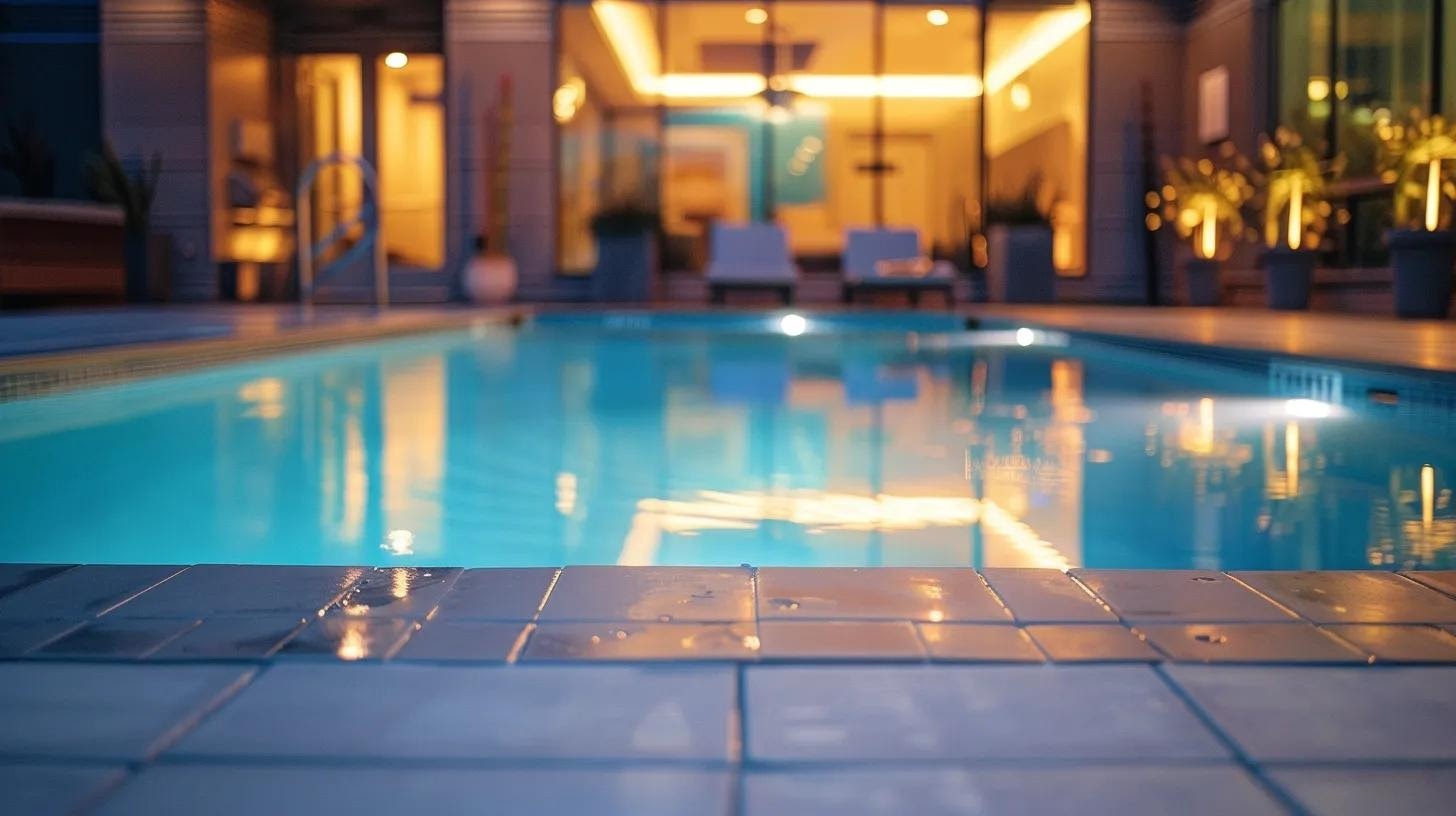
Pool deck materials not only serve a functional purpose around your pool but also play a vital role in enhancing the outdoor aesthetic of your home. Homeowners seek balance between style, durability, safety, and cost when choosing between pavers and concrete. This article examines these factors—from aesthetics and durability to installation processes, cost considerations, safety, and environmental sustainability—to help you decide which material best suits your pool deck project.
Key Takeaways
- Both pool deck pavers and concrete offer distinct visual and structural benefits.
- Pavers provide versatile aesthetic appeal with varying designs and textures.
- Concrete tends to be cost-effective with lower initial installation costs.
- Durability, safety, maintenance, and environmental aspects differ between the two options.
- Understanding installation and long-term implications can guide homeowners towards an informed decision.
Compare the Beauty of Pool Deck Pavers and Concrete Options
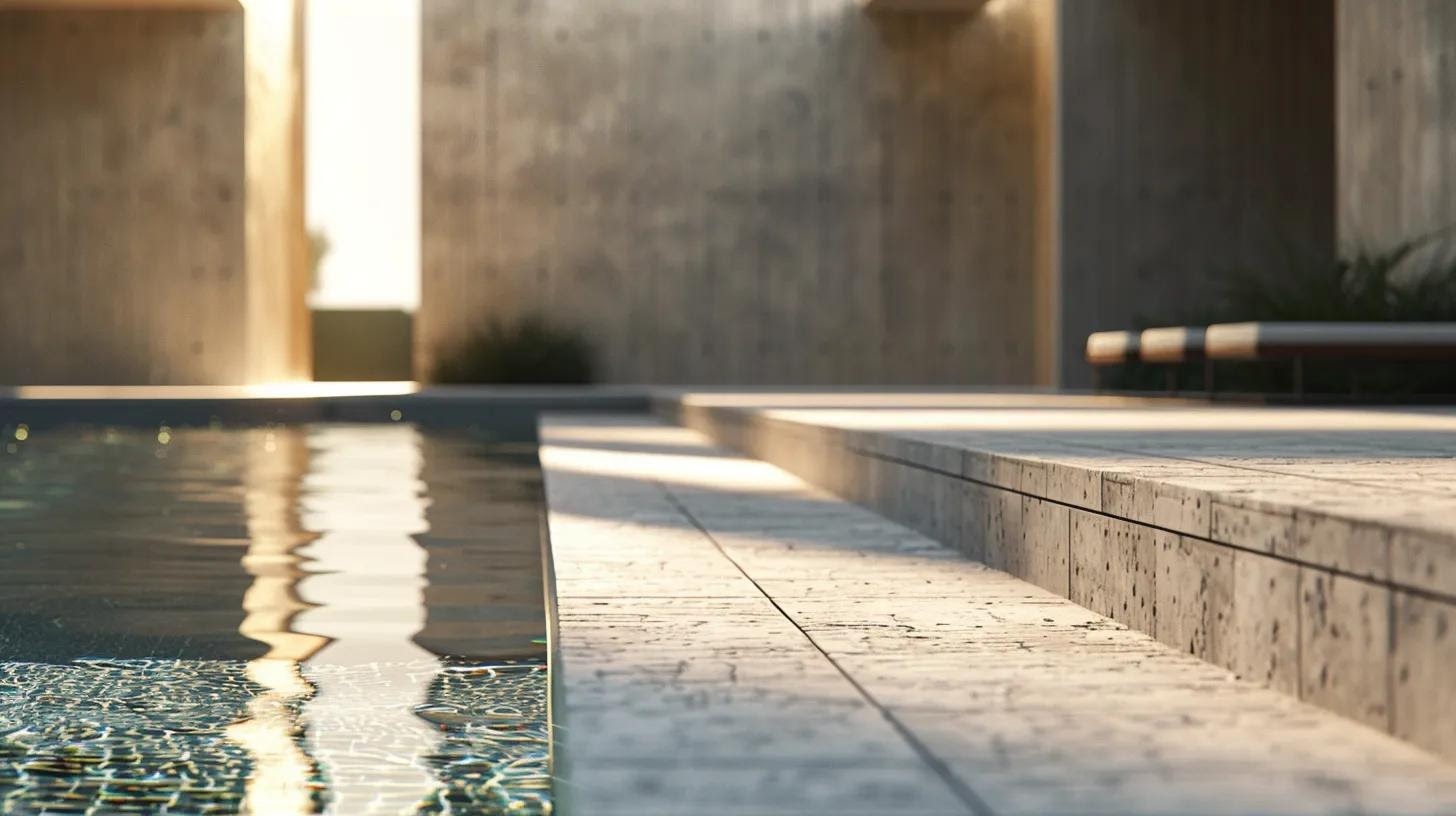
When it comes to the visual appeal of your pool deck, both pavers and concrete have unique advantages. Pavers lend themselves to a wide variety of designs and can mimic high-end materials such as natural stone or brick. They allow creative patterns and intricate layouts that enhance the outdoor living space, making every pool area distinctive.
Examine the Aesthetic Appeal of Paver Designs and Styles
Pavers come in many shapes, sizes, and colors. Homeowners can select from natural textures and engineered designs that reflect a modern or classic style. The ability to mix and match patterns provides a custom look that integrates seamlessly with outdoor furnishings and landscaping features.
Explore the Variety of Concrete Finishes and Textures
Concrete, when properly finished, can achieve a sleek, contemporary look with options like stamped or stained finishes. These treatments create the illusion of more expensive materials while maintaining a uniform appearance throughout the deck. A well-poured, textured concrete surface offers a clean, minimalist style that can complement modern architecture.
Assess Color Options for Both Pool Deck Materials
Pavers are available in numerous color palettes ranging from neutral tones to bold hues that can accentuate your pool surroundings. Similarly, concrete can be tinted to achieve a specific color scheme. Both options allow homeowners to coordinate deck color with the exterior of their home and landscaping, ensuring visual harmony.
Investigate Patterns and Layouts in Paving Stones
One of the greatest advantages of pavers is their design flexibility. Whether opting for a herringbone, basket weave, or circular pattern, homeowners can influence the overall ambiance of the deck. The varied layouts create dynamic visual interest, especially when strategically combined with different sizes and shapes.
Analyze the Visual Integration With Landscaping Elements
Both pavers and concrete serve as a backdrop to your lush landscaping. Pavers can be interspersed with greenery or embedded borders that enhance the natural elements, while concrete’s smooth finish emphasizes the simplicity and formality of the surrounding design. The careful merging of deck material with trees, shrubs, or flower beds creates a balanced aesthetic.
Discuss Contemporary Trends in Pool Deck Aesthetics
Recent trends favor natural, eco-friendly materials that mimic organic textures. Pavers, with their rustic look and customizable design, have grown in popularity. Meanwhile, modern concrete techniques that incorporate slip-resistant finishes and unique stains keep concrete in favor for a streamlined, versatile design.
Evaluate Durability and Longevity of Materials for Pool Decking
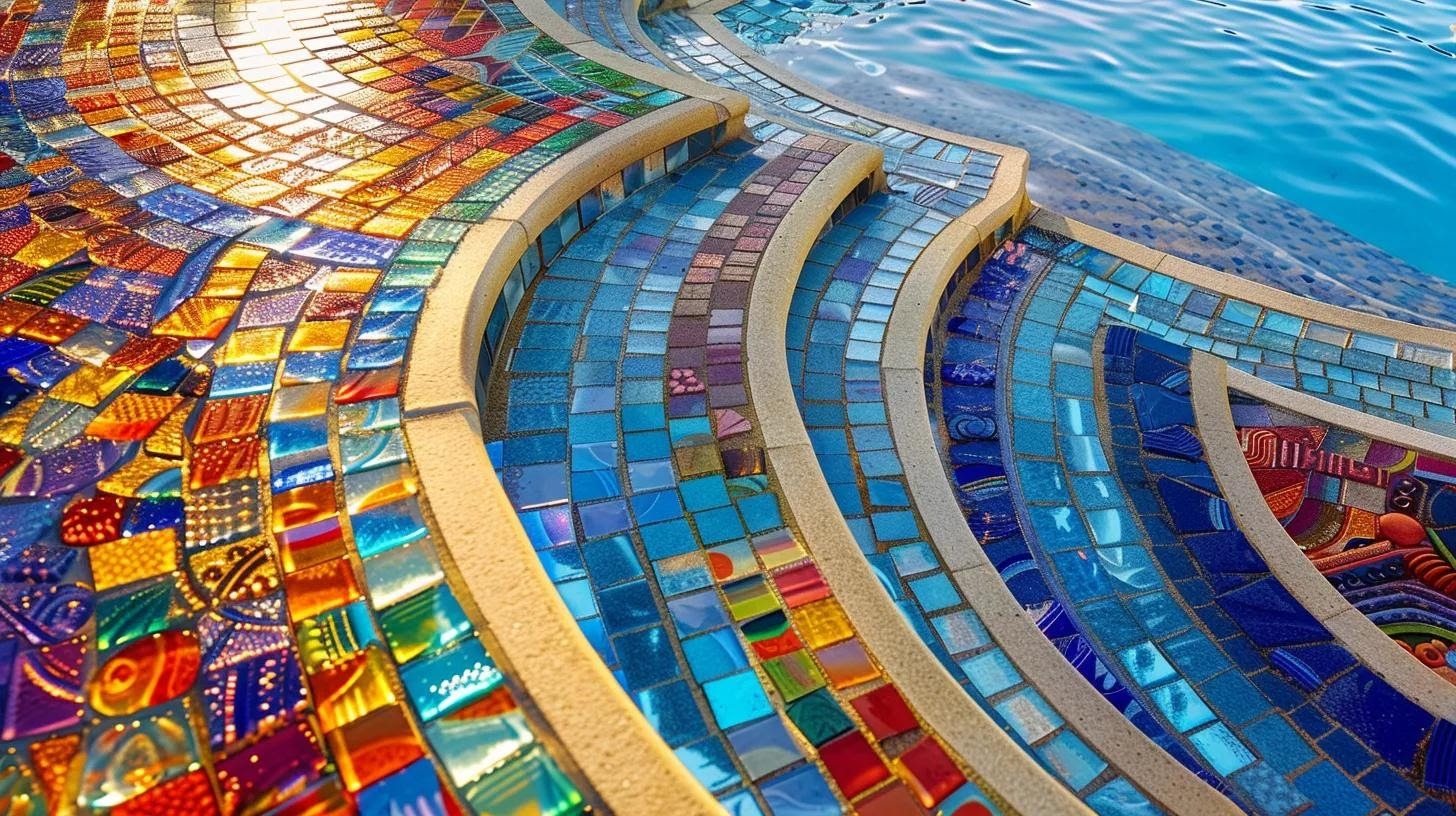
Durability plays a crucial role in the selection process since pool decks experience constant exposure to water, UV rays, and pool chemicals. Evaluating longevity involves understanding how pavers and concrete withstand weather conditions, heavy usage, and daily maintenance challenges.
Understand the Lifespan of Pavers Versus Concrete Surfaces
Pavers typically boast a long lifespan as individual units can be replaced if damaged. Their interlocking design minimizes the risk of large-scale failures. In contrast, concrete surfaces, while durable, may develop cracks over time if not properly installed or maintained, requiring significant repairs.
Assess the Impact of Weather on Paver and Concrete Durability
Extreme weather conditions can affect both materials differently. Pavers allow for natural movement and expansion during temperature fluctuations, reducing stress on joints. Concrete, however, may crack or shift under repeated freeze-thaw cycles if not treated with adequate sealants.
Examine Resistance to Cracking and Shifting in Materials
Due to their segmented nature, pavers better accommodate slight ground movements without catastrophic failure. Concrete tends to crack when faced with similar conditions, creating unsightly blemishes and potential hazards. This resilience makes pavers a favored option in regions with variable climates.
Evaluate Maintenance Requirements for Both Options
Pavers are relatively easy to maintain because individual stones can be replaced, and weed growth between joints can be managed with proper sealants. Concrete requires periodic resealing and may need crack repairs over time, often translating to higher maintenance demands in the long run.
Consider How UV Exposure Affects Material Integrity
UV rays can cause concrete to fade or degrade over time. Pavers, especially those made from high-quality natural stone or engineered composites, resist color loss better under prolonged sun exposure. This factor can influence the overall longevity of your pool deck's appearance.
Analyze the Effects of Pool Chemicals on Both Surfaces
Pool chemicals such as chlorine and pH balancers may erode concrete surfaces and cause discoloration. Pavers offer superior chemical resistance, especially when sealed properly, ensuring that the deck retains its look despite constant exposure to pool maintenance products.
Discuss Installation Processes for Pavers and Concrete Decks
The installation process largely affects overall project cost, time, and long-term durability. Understanding the steps involved can help determine which option best suits your DIY or professional project needs.
Review the Labor Involved in Installing Pavers Properly
Installing pavers involves preparing a well-compacted base and laying each unit in a precise, interlocking pattern. This process can be labor-intensive, but it offers flexibility if future repairs are necessary. Professional installation ensures consistent alignment and leveling across the deck.
Outline the Steps for Pouring a Concrete Pool Deck
A concrete installation requires creating a solid sub-base, setting forms, then pouring and finishing the concrete. This method is efficient for large areas but must be executed correctly to avoid issues like uneven curing or cracking. Professional concrete work often includes a final sealant application.
Consider Preparation and Groundwork for Both Methods
Prior to installation, the groundwork must be thoroughly prepared. For pavers, removing old debris, leveling, and adding a layer of gravel is essential. Concrete work demands a similarly rigorous base preparation, ensuring that the subgrade is compact and free of moisture.
Examine Potential Landscaping Adjustments During Installation
Both systems may require temporary landscaping adjustments. Paver installation might necessitate moving outdoor furniture and plants, while concrete pouring might require strategic planning to preserve adjacent garden areas. These adjustments can momentarily disrupt the outdoor space but lead to a more cohesive end result.
Analyze the Time Frame for Completing Installations
Paver installations can take longer due to the intricate placement of individual pieces. Conversely, pouring a concrete deck can usually be completed in a single day, provided that conditions are optimal. The concrete must cure, however, which extends the overall project timeline before full use is allowed.
Evaluate DIY Options Versus Hiring Professionals
Installing pavers might be more appealing to DIY enthusiasts who appreciate the creative design process. Concrete installations, due to the necessity of precise measurements and curing conditions, are often best left to professionals. Hiring experts ensures both methods are executed flawlessly and adhere to local building codes.
Analyze Cost Considerations for Paver and Concrete Deck Choices
Cost considerations are paramount when deciding between pavers and concrete, as initial investment and long-term maintenance expenses differ significantly between the two.
Compare the Initial Costs of Pavers and Concrete Materials
Generally, concrete tends to be less expensive initially compared to pavers. Although pavers cost more upfront due to the labor-intensive installation process and material quality, concrete might require additional expenditures for finishing and resealing over time.
Investigate Long-Term Maintenance Costs Associated With Both
While pavers usually offer easier repair options with individual stone replacement, concrete may incur higher long-term maintenance costs due to periodic resealing and crack repairs. The durability of pavers in harsh climates can also reduce overall upkeep expenses.
Assess Installation Expenses and Labor Prices
Labor costs for paver installation typically exceed those for concrete due to the meticulous work required. However, the modularity of pavers can sometimes offset the labor intensity with fewer future repair expenses. Concrete installations, being quicker, might lower initial labor costs, yet may demand specialized finishing techniques.
Discuss Potential Resale Value Impact of Each Option
Homes with well-designed pool decks can enjoy increased resale value. Pavers, with their versatility and aesthetic appeal, often enhance curb appeal more dramatically than plain concrete. This edge in resale potential can justify the additional initial expense.
Explore Financing Options for Large Pool Deck Projects
Homeowners might consider financing options or home improvement loans for substantial pool deck projects. Some contractors may provide payment plans, and assessing the upfront costs against the long-term benefits can help in making an informed decision.
Evaluate Regional Price Variations in Materials and Labor
Prices for both pavers and concrete can vary by region based on local material availability and labor market conditions. In some areas, pavers may be more cost-effective due to local production, while in others, concrete might prevail due to lower installation costs.
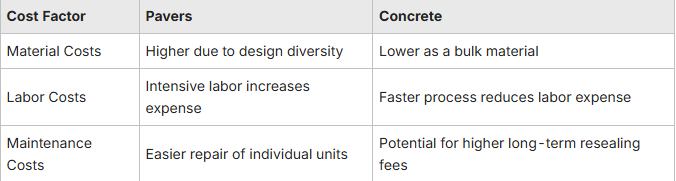
The table above summarizes the primary cost differences, offering a clear comparison to aid budget planning.
Investigate Safety Features of Paver and Concrete Decking

Safety is a critical consideration for any pool deck project. Both pavers and concrete provide different attributes regarding slip resistance, drainage, and overall user safety around wet surfaces.
Examine Slip Resistance in Paver Options
Pavers can be selected with textured surfaces or treated with anti-slip coatings, providing a safer walking surface around pools. Their segmented nature prevents large, continuous slippery areas, significantly reducing the risk of accidents.
Assess Concrete Surface Treatment for Safety
Concrete can be enhanced with surface treatments that improve traction and reduce slipperiness. Adding stencils or incorporating aggregates during the finishing process creates a more secure environment, though these treatments require periodic reapplication.
Discuss Drainage Capabilities of Paver Versus Concrete
Proper drainage is vital in preventing water pooling and subsequent hazards. Paver systems typically include gaps filled with sand, which facilitates efficient water runoff. In contrast, concrete decks must be carefully sloped and sometimes incorporate drainage channels to achieve similar performance.
Analyze Thermal Properties and Heat Retention of Materials
Concrete can absorb and retain more heat than pavers, potentially creating hot surfaces that may be uncomfortable or unsafe during peak sunlight hours. Pavers tend to remain cooler, especially when light-colored or treated with reflective finishes, making them more comfortable for barefoot walking.
Evaluate How Each Option Handles Water Pooling
The permeability of paver installations allows water to seep through to the subbase, reducing the risk of hydrostatic pressure build-up. Concrete, often being non-porous, can trap water without proper drainage design, leading to cracks and hazardous slippery conditions.
Consider How Texture Affects Safety Around the Pool
The inherent texture of pavers provides tactile benefits that contribute to safety. Different finishes on concrete can mimic this effect, but pavers naturally offer more grip and resistance to accidental slips, which is essential around a frequently wet pool environment.
Discover Environmental Impact and Sustainability of Materials
The ecological impact of your pool deck material is increasingly important for environmentally conscious homeowners. Sustainability considerations include production process emissions, recyclability, and long-term environmental footprint.
Investigate the Ecological Footprint of Pavers
Pavers can be produced from recycled materials or natural stone, contributing less to carbon emissions. Their modularity also means damaged units can be replaced individually, reducing waste. Environmentally friendly sourcing practices further enhance their sustainability.
Assess Concrete's Carbon Footprint During Production
Concrete is known to have a high carbon footprint due to the energy-intensive production of cement. While concrete can be modified with supplementary cementitious materials to lower emissions, its overall environmental impact remains higher compared to some paver options.
Discuss Recycling Options for Old or Damaged Materials
Both pavers and concrete offer recycling opportunities. Old pavers can be broken down and reused as aggregate in new projects, and concrete waste can be recycled into fill material or new concrete. These practices diminish landfill burdens and promote sustainable construction cycles.
Evaluate the Longevity of Materials in Waste Management
The long lifespan of pavers minimizes the frequency of replacement, indirectly reducing material waste. Conversely, concrete may have to be replaced or repaired more frequently, particularly if undergoing extensive wear, thereby increasing overall environmental waste.
Consider Sourcing Practices for Environmentally Friendly Options
When sustainability is a priority, it is essential to work with vendors who utilize renewable energy and sustainable production methods. Certifications and eco-labels can guide homeowners toward materials with lower environmental impacts.
Analyze How Materials Affect Local Ecosystems Around Pools
Finally, consider how runoff and material leachates interact with the surrounding landscape. Pavers often result in better water management, reducing chemical runoff and soil erosion. In contrast, improperly sealed concrete can contribute to surface runoff that may harm local plant life and soil quality.
Final Thoughts
Pool deck material choices are critical for enhancing the beauty, functionality, and safety of your outdoor space. Pool deck pavers deliver exceptional visual appeal and design flexibility, while concrete offers a streamlined and cost-effective alternative with proper finishing. Homeowners must weigh factors such as durability, maintenance, safety, cost, and environmental impact when making their choice. By understanding these aspects, you can confidently select a material that aligns with your lifestyle and long-term home improvement goals.
Frequently Asked Questions
Q: Which material is more visually appealing for a pool deck? A: Pavers offer greater design versatility and a more natural look with various colors and patterns, while finished concrete provides a sleek, modern appearance with a uniform texture.
Q: Are pool decks made with pavers more durable than concrete? A: Pavers tend to be more durable because individual units can be replaced if damaged, whereas concrete surfaces may crack over time if not properly installed and maintained.
Q: Which option is safer around pool areas? A: Pavers generally provide better slip resistance and drainage due to their textured surfaces and modular design, reducing the risk of water pooling and falls.
Q: How do maintenance costs compare between pavers and concrete? A: Pavers typically require less extensive maintenance, as individual units can be repaired or replaced as needed, while concrete may require periodic resealing and crack repairs over time.
Q: What are the eco-friendly benefits of using pavers? A: Many pavers are made from recycled materials and offer enhanced drainage and durability, which minimizes waste and reduces the environmental impact compared to traditional concrete.