
Top 7 Challenges Homeowners Face During Paver Installation and How to Overcome Them
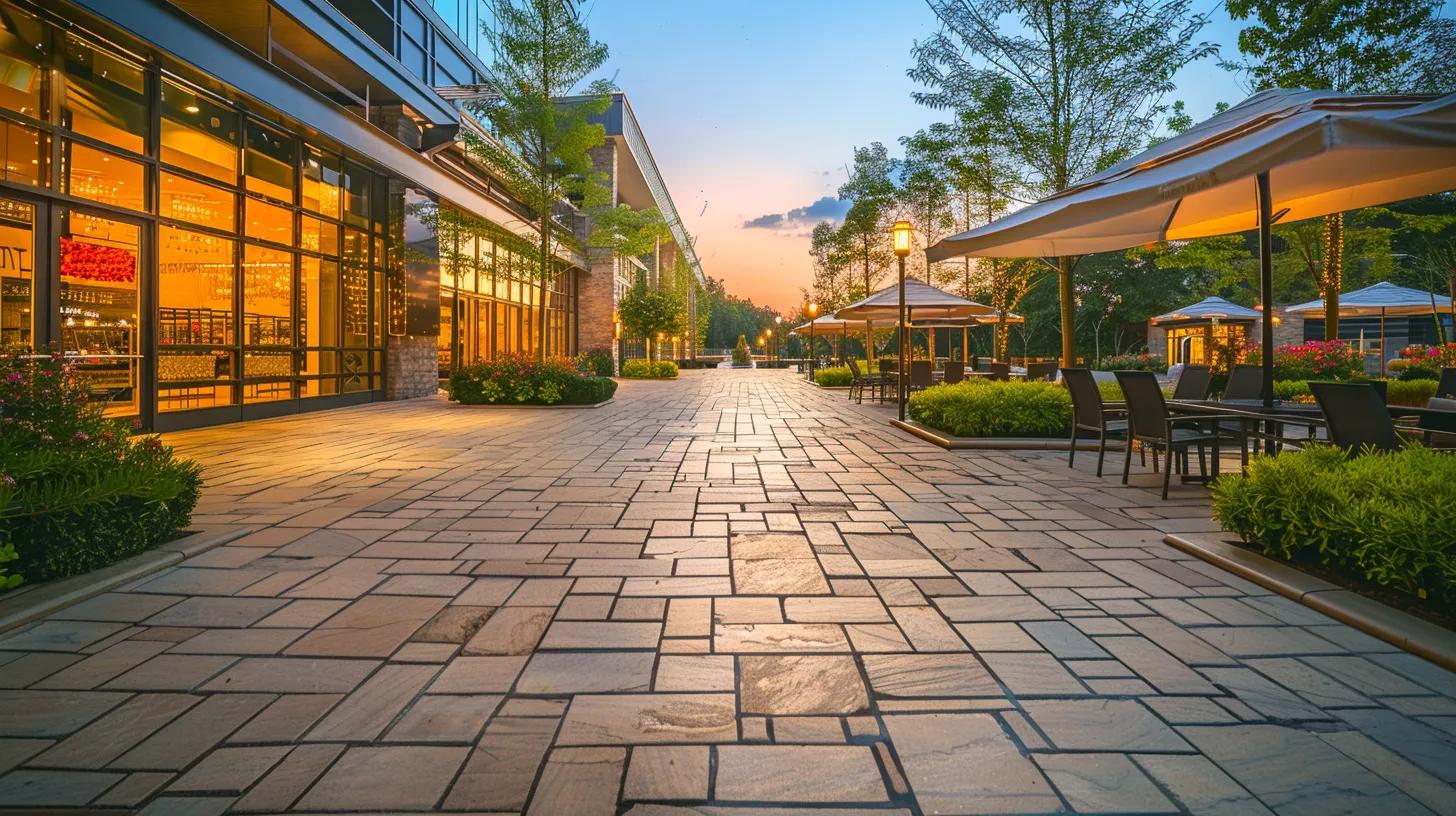
Installing pavers to create a beautiful outdoor space can transform a backyard, patio, or walkway; however, homeowners often confront several hurdles that can affect the durability and visual appeal of the project. Problems such as improper base preparation, inadequate drainage, and weed growth can lead to costly repairs if not addressed early. This article explores common installation challenges and provides practical advice to overcome them, helping ensure your investment lasts for years while enhancing the overall look and performance of your hardscape.
Key Takeaways
- Homeowners face challenges from inadequate base preparation to drainage issues during paver installation.
- Proper techniques in compaction, edge restraint, and material selection are crucial to prevent paver shifting.
- Effective drainage and weed prevention strategies can enhance the longevity and appearance of your paver surface.
- Solutions range from choosing the right base materials to using polymeric sand and sealants for improved durability.
Identifying the Most Frequent Paver Installation Hurdles Homeowners Face
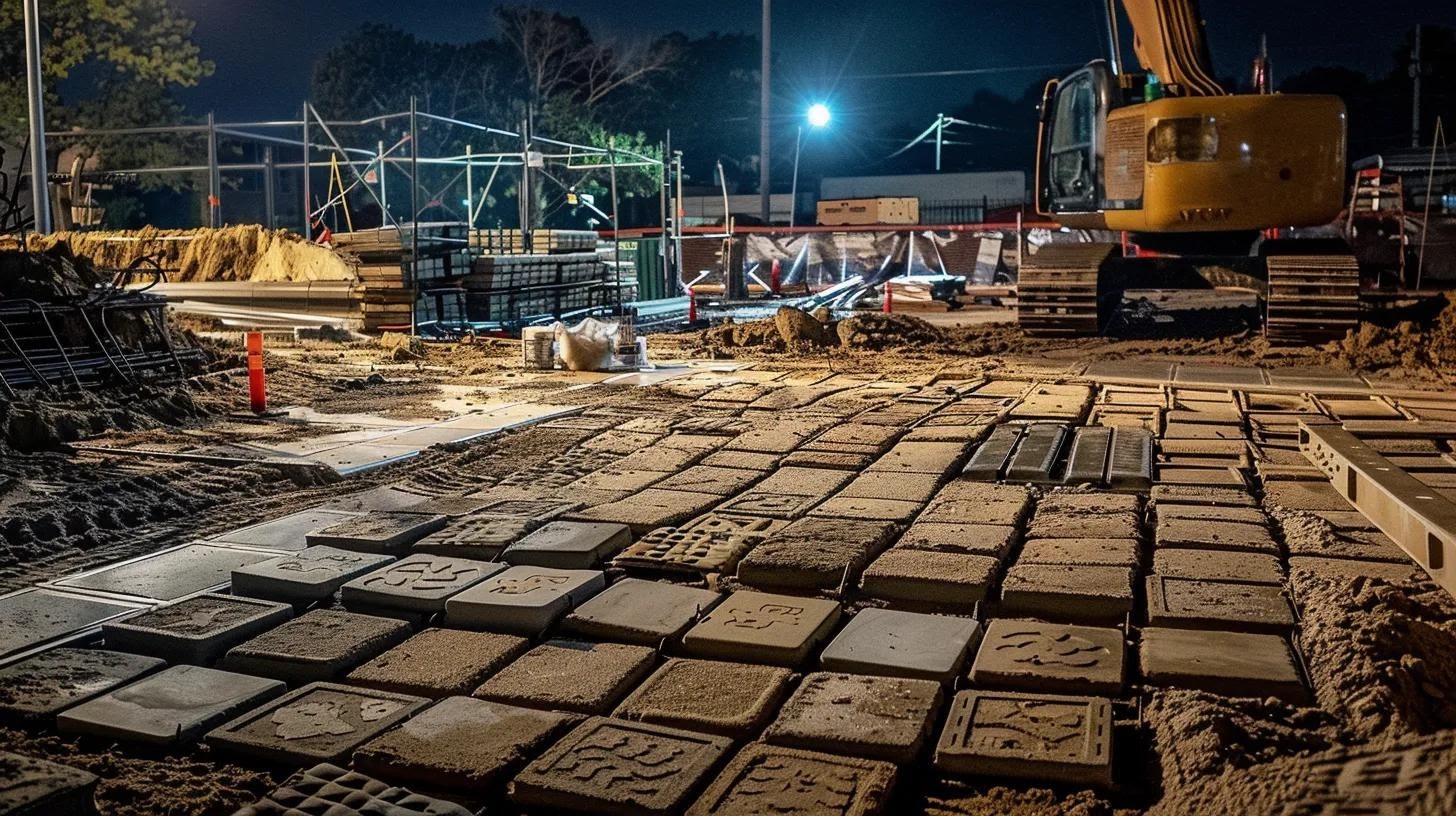
Recognizing the issues during paver installation is critical. Homeowners must be aware of the signs of poor planning or execution to address problems before they worsen. Early indicators include uneven surfaces, visible settling, and weed growth that compromise joint integrity. Weather conditions and improper moisture control exacerbate these challenges.
Recognizing Signs of Inadequate Base Preparation Early On
A poorly prepared base often manifests as pavers that are uneven or shift underfoot. If you notice low spots or inconsistent thickness, it is a clear signal that the subgrade was not compacted properly. Early detection helps in planning corrective measures before the entire area is compromised.
Understanding Water Management Issues in Paver Projects
Improper water management can result in accumulated moisture that undermines the base layer, leading to paver displacement or erosion. Homeowners should inspect for signs of pooling water or mud after rain, which may suggest a need for enhanced drainage solutions to prevent long-term damage.
Common Causes for Weeds and Joint Deterioration
Weeds sprouting between pavers not only affect aesthetic appeal but also indicate inadequate joint stability. Weeds can penetrate joint sand and cause movement, eventually leading to larger gaps. Regular maintenance and the use of polymeric sand can help mitigate these issues over time.
Why Pavers Shift and Edging Fails Over Time
Paver shifting is frequently linked to inadequate edge restraints and poor compaction of the base material. When edges are not secured properly, they allow lateral movement, ultimately resulting in misalignment of the entire installation. This challenge stresses the importance of using high-quality restraints during the installation process.
What Leads to Surface Blemishes Like Stains or Efflorescence
Surface blemishes such as stains or white salt deposits (efflorescence) arise when moisture moves through pavers and carries soluble salts to the surface. These marks can significantly diminish the visual impact of your installation, requiring careful attention to drainage and sealant application.
Establishing a Stable Foundation to Prevent Paver Sinking and Shifting

A stable foundation is the cornerstone of a long-lasting paver installation. Correct subgrade preparation and the consistent use of quality materials ensure that pavers remain in place over time. Homeowners should invest in proper site assessment and base material selection to avoid future issues.
Correct Subgrade Compaction Techniques for Homeowners
Effective compaction prevents future settling. Use mechanical compactors and follow manufacturer guidelines to ensure the subgrade is solid. Uniform compaction minimizes weak spots, thereby reducing the risk of uneven surfaces developing over time.
Choosing and Applying the Right Base Materials
Selecting the appropriate base materials, such as crushed stone or gravel, is vital. These materials offer good drainage and support while helping distribute weight evenly. Always follow recommended layer thickness and proper installation techniques to build a strong foundation.
Achieving Proper Base Thickness and Leveling
Proper base thickness is essential for durability. Inadequate depth leads to paver sinking, while too deep a base might make leveling more challenging. Leveling the base correctly prevents water from pooling and ensures that each paver lies flat, reducing stress on individual pieces.
Solutions for Pavers Already Showing Signs of Settling
For installations already exhibiting signs of settling, lifting and re-leveling the pavers may be necessary. This process can involve removing the affected area, re-compacting the subgrade, and adding additional material to restore levelness. Such repairs, if done promptly, can significantly extend the life of your paver design.
Implementing Effective Drainage Solutions for Paver Surfaces
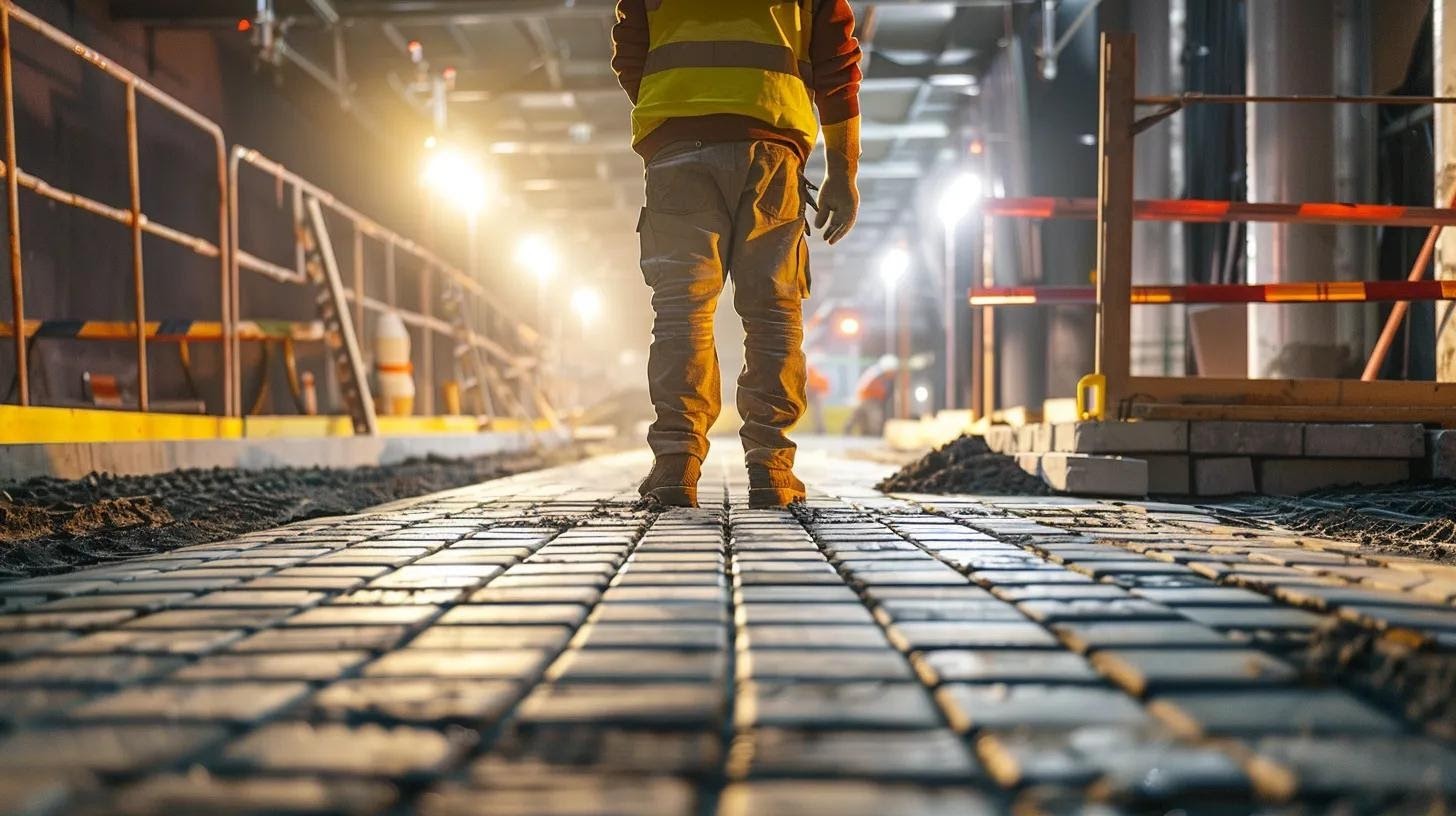
Effective drainage is crucial to protect pavers from water damage and premature wear. Without proper water management, structures can suffer from erosion, structural damage, and surface blemishes. Homeowners must incorporate drainage solutions into the design of their paver projects.
Ensuring Correct Slope for Optimal Water Runoff
A slight slope is necessary to guide water away from the paver surface. The recommended slope is typically around 1-2%, ensuring water flows off quickly without leaving pools that could weaken the base. Regular evaluation is recommended, especially in areas prone to heavy rainfall.
Incorporating Channel Drains or French Drains
Installing drains, such as channel or French drains, is another effective method to control excess water. These systems help redirect water to a designated area away from the pavers, preserving their structural integrity. They are especially useful in larger installations or areas with significant rainfall.
Utilizing Permeable Pavers for Enhanced Water Infiltration
Permeable pavers allow water to pass through the surface, reducing runoff and minimizing the risk of waterlogging below the base. This design not only improves drainage but also replenishes groundwater. It is an eco-friendly solution that can enhance the longevity of your installation.
Addressing What Are the Most Common Problems Encountered During Paver Installation Processes Related to Poor Drainage
Homeowners often encounter issues such as pooling, erosion, and spalling when drainage is not correctly addressed. These problems can lead to paver lift and edge deterioration. Combining proper slope, drainage channels, and permeable surfaces offers a comprehensive strategy to mitigate these risks.
Securing Paver Edges and Joints for Long-Term Durability
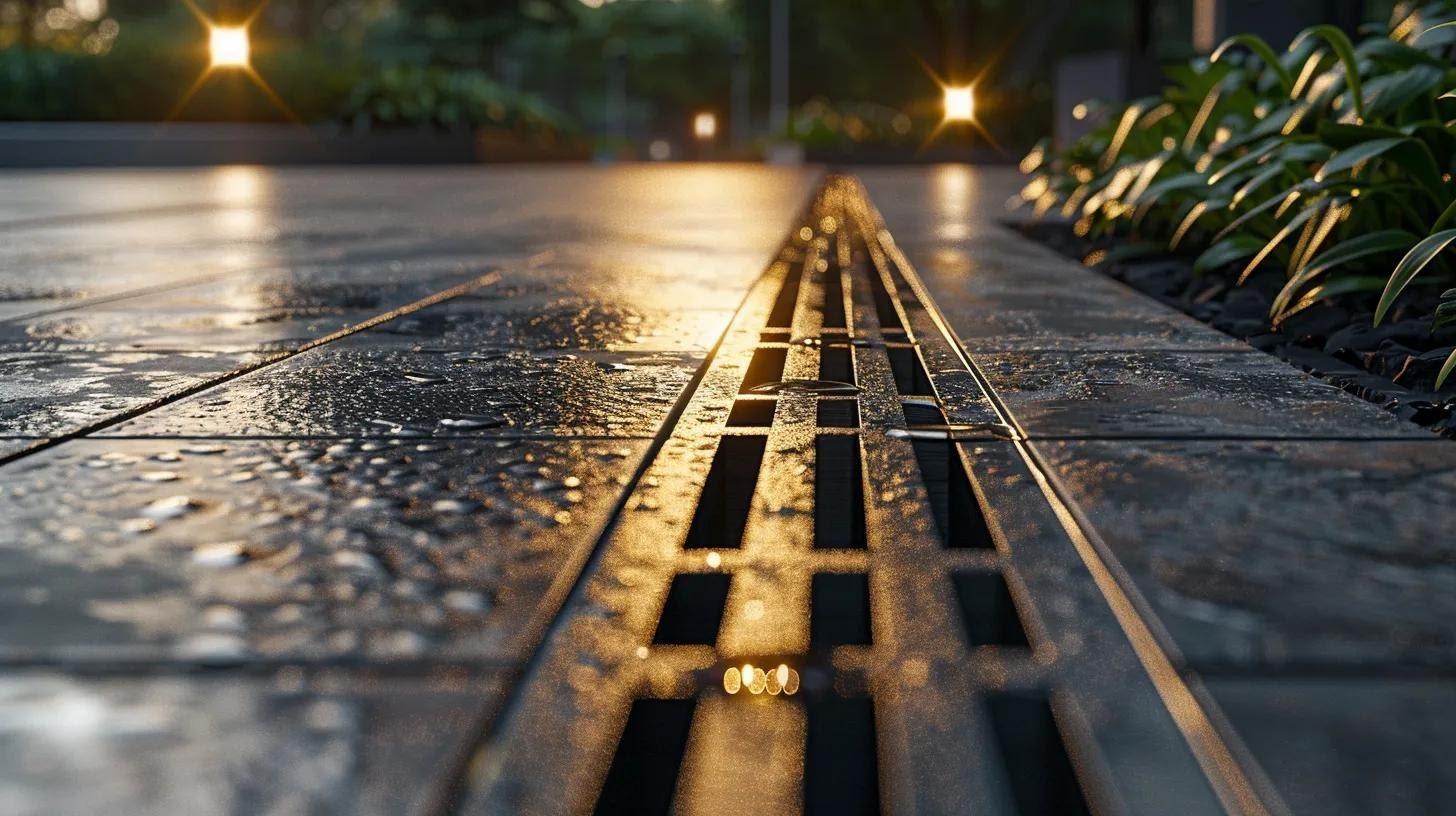
Securing the edges and joints of your paver installation is critical for maintaining its structural integrity and preventing movement. Without secure edging, pavers can shift over time, leading to uneven surfaces and potential damage.
Selecting Appropriate Edge Restraint Systems
Choosing resilient materials for edge restraints, such as metal or reinforced polymer, will help lock the pavers in place. Proper installation of these systems is imperative and enhances the overall longevity of the installation by maintaining a defined boundary.
Proper Installation of Edging to Prevent Movement
Careful installation techniques, including correctly anchoring edging materials into the subgrade, ensure that the pavers do not shift over time. Homeowners should follow manufacturer guidelines and best practices to secure edges firmly and consistently.
Using Polymeric Sand Correctly for Strong Joints
Polymeric sand, when activated with water, forms a strong bond between pavers, reducing weed growth and preventing joint erosion. It is essential to apply the sand evenly and compact it within the joints for maximum effectiveness. Regular maintenance may be required to keep joints intact.
Remedies for Failing Edge Restraints or Eroding Joint Sand
When edging fails or joint sand erodes, reinstallation or maintenance is necessary. This may include cleaning out old sand, reinforcing restraints, or applying a new layer of polymeric sand. Such proactive steps help maintain the appearance and function of the paver installation.
Maintaining Paver Appearance by Preventing Weeds and Stains
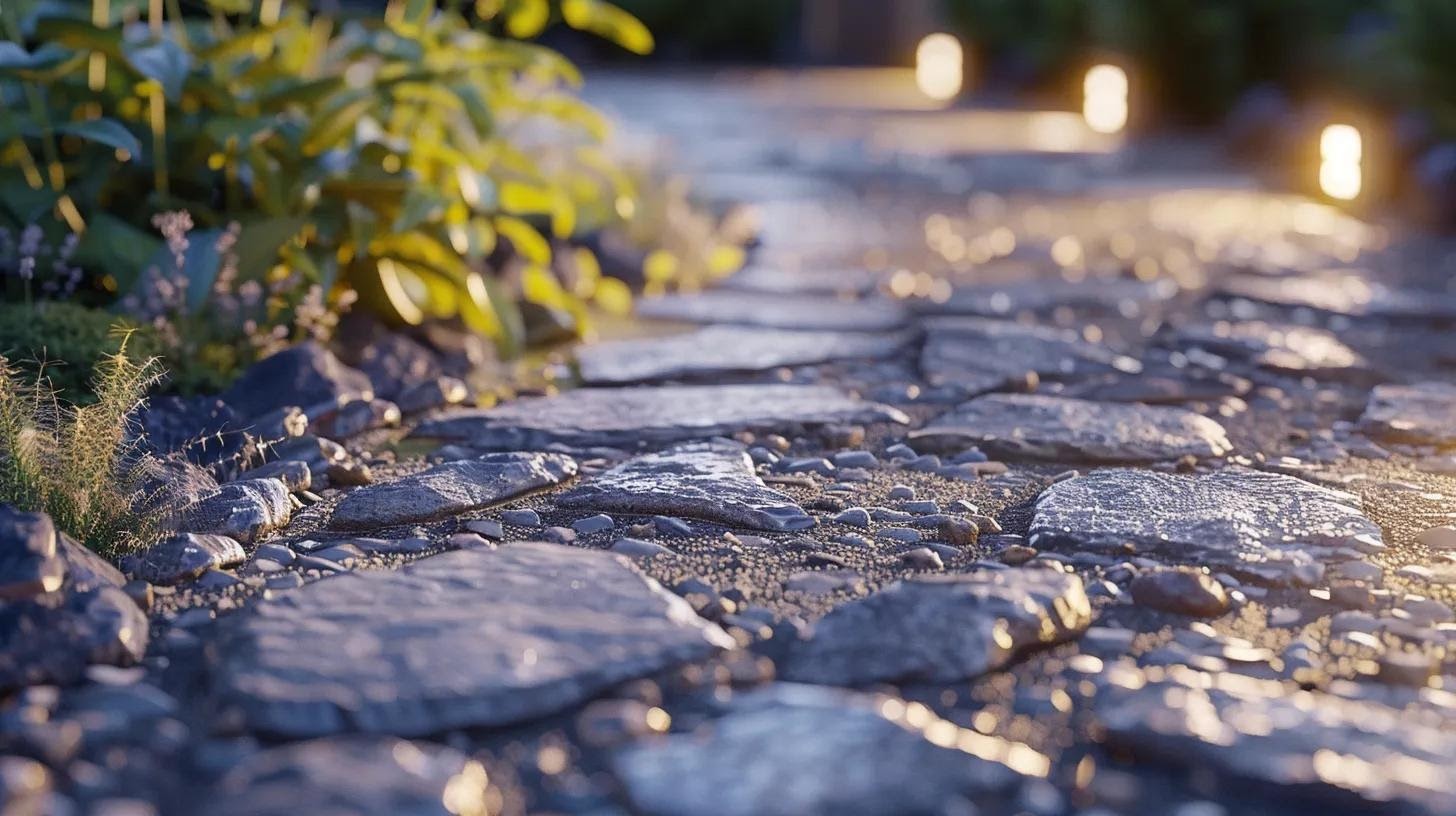
A well-maintained paver surface remains attractive and functional over time. Preventing the growth of weeds and accumulating stains is key to preserving the aesthetic appeal. Homeowners should incorporate regular cleaning and sealing practices as part of their maintenance routine.
Effective Weed Prevention Strategies for Paver Joints
To keep weeds at bay, homeowners should use polymeric sand and consider applying a pre-emergent herbicide. These methods inhibit weed germination in the joints, ensuring that the structure remains neat and integrated.
Cleaning and Removing Efflorescence From Pavers
Efflorescence, which appears as white salt deposits, can be removed using pressure washing and mild cleaning solutions. Routine cleaning prevents buildup and maintains the clear and vibrant appearance of the pavers.
Protecting Pavers From Common Stains
Stains caused by oil, food, or rust can be treated promptly to prevent permanent damage. Homeowners should use stain remover products and sealants, which protect the surface and make future cleaning easier.
Choosing Sealants for Added Protection and Appearance
A high-quality sealant not only enhances the color and texture of the pavers but also provides a protective barrier against weather and stains. Regular application of sealant can prolong the lifespan of the installation and keep it looking fresh.
Overcoming Top Pattern and Spacing Challenges in Paver Installation
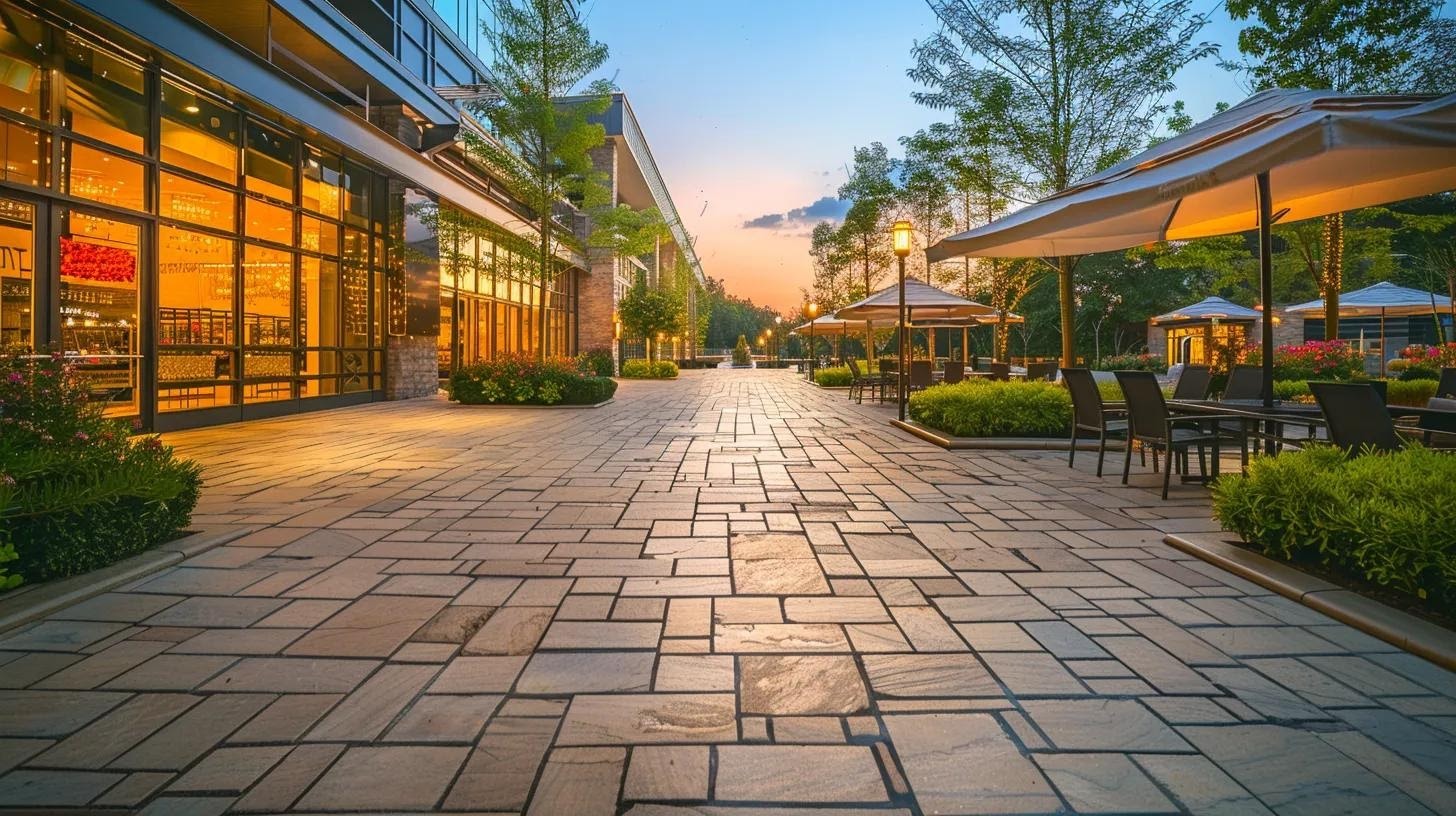
Achieving an aesthetically pleasing layout while maintaining accurate spacing is a common challenge. A well-planned design minimizes the need for complex cuts and ensures a uniform pattern, which is essential for both function and visual appeal.
Planning Your Paver Layout to Minimize Complex Cuts
Strategic planning can significantly reduce the number of intricate cuts needed, saving time and reducing waste. A carefully drawn layout that considers dimensions and patterns helps streamline the installation process while enhancing symmetry and balance.
Techniques for Consistent Paver Spacing and Alignment
Consistent spacing is crucial. Using spacers and grids during installation ensures that each paver is aligned with its neighbors, creating a neat and orderly appearance. Consistency in spacing not only improves aesthetics but also contributes to the durability of the installation.
Adjusting and Correcting Misaligned Pavers
If misalignment occurs, corrective measures such as lifting, re-leveling, and re-setting may be necessary. Taking the time to address these issues during installation prevents problems from escalating into more severe structural problems later on.
Tips for Handling Intricate Paver Designs Successfully
Intricate designs require extra attention to detail. Homeowners should consider professional assistance for complex layouts if required, and always double-check measurements and alignment before permanently setting pavers. Using detailed guides and precise tools can transform a challenging design into a visually stunning hardscape.
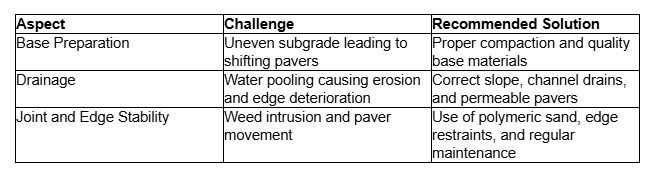
The table above summarizes the key challenges alongside their recommended solutions to ensure a balanced and durable installation.
Final Thoughts
An effective paver installation relies on proper planning, quality materials, and attention to detail. By understanding and addressing common hurdles—from base preparation to drainage and edge stability—homeowners can create beautiful and durable outdoor spaces. Emphasizing practical techniques such as correct compaction, effective drainage design, and appropriate maintenance strategies ensures your installation remains functional and visually appealing. With these guidelines, your paver project will continue to enhance your home’s value and aesthetic for years to come.
Frequently Asked Questions
Q: What are the primary signs of inadequate base preparation in paver installation? A: Homeowners may notice uneven surfaces, shifting pavers, or early signs of settling. These issues indicate that the underlying subgrade was not properly compacted or leveled during installation.
Q: How can drainage problems be prevented in paver projects? A: Ensuring correct slope, installing channel or French drains, and choosing permeable pavers are key strategies to promote optimal water runoff and prevent water accumulation beneath the paver surface.
Q: Why is polymeric sand recommended for paver joints? A: Polymeric sand binds tightly when wetted, providing a stable joint that deters weed growth and reduces joint erosion, thereby enhancing the overall durability of the paver installation.
Q: What steps should be taken if pavers show signs of settling after installation? A: Addressing settling may require lifting affected pavers, re-compacting the base material, and adding additional support material to restore levelness and prevent further uneven movement.
Q: How can home owners maintain the appearance of their paver installations over time? A: Regular cleaning, removing efflorescence, applying high-quality sealants, and periodic inspection of joints and edge restraints are essential practices to keep the pavers looking attractive and ensure long-term durability.