
What Are the Most Popular Paver Materials?
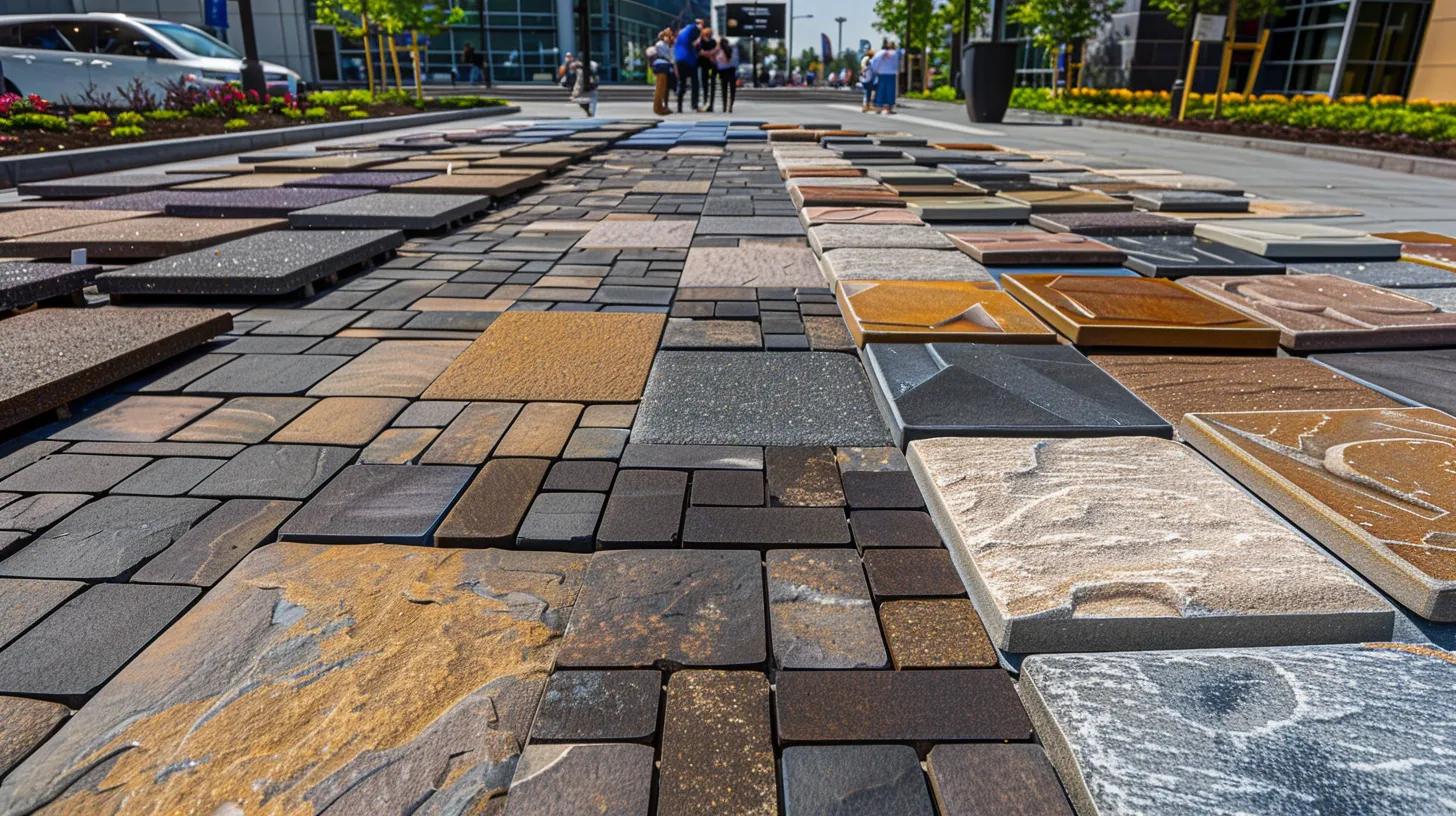
Key Takeaways
- Concrete, brick, natural stone, porcelain, and composite pavers offer distinct benefits in durability, style, and maintenance.
- Each material type features unique characteristics for different project needs such as driveways, patios, or walkways.
- Homeowners should consider cost, aesthetic appeal, and environmental impact when choosing paver materials.
- Matching the best material to a project can enhance curb appeal and increase long-term value.
Exploring Concrete Paver Material Types
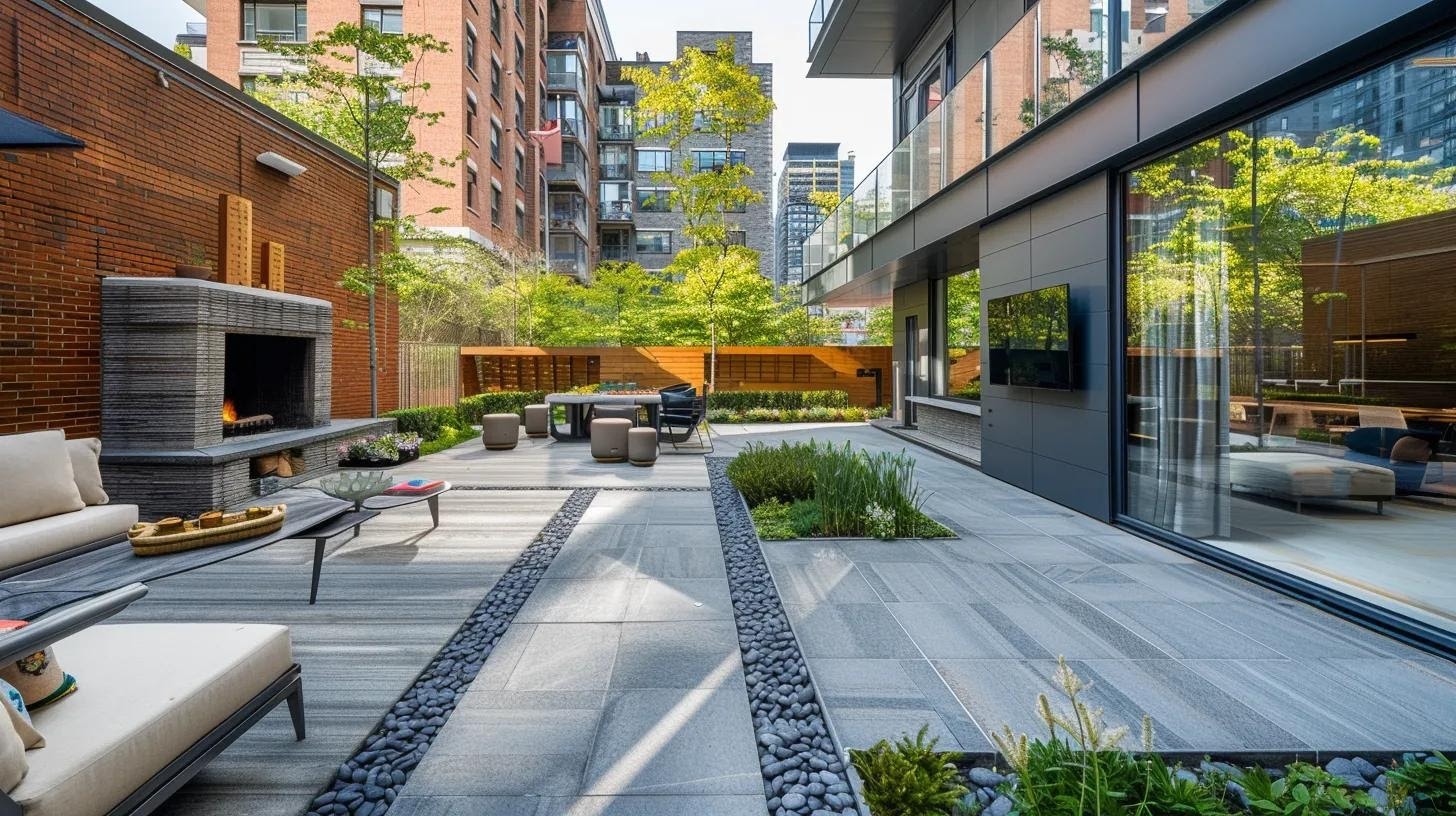
Concrete pavers remain one of the most popular choices for hardscapes due to their flexibility and cost-effectiveness. They can mimic the appearance of natural stones or bricks while offering the advantages of modern concrete mixtures. Many homeowners favor concrete for its range of design possibilities and ease of installation while maintaining longevity against harsh weather conditions.
Standard Concrete Paver Characteristics
Standard concrete pavers are known for their uniform color, shape, and size. They typically feature a precast design that ensures durability and consistency, making them excellent for creating a smooth, even surface. Their impermeable nature means they can handle heavy loads and resist erosion. These pavers are also often designed with textures that reduce slipperiness and enhance visual appeal.
Permeable Concrete Paver Solutions
Permeable concrete pavers incorporate voids or gaps between blocks, allowing water to seep through and reducing runoff. This green solution is particularly beneficial for areas prone to flooding or where local regulations favor environmentally friendly designs. The design not only helps mitigate water damage by reducing pooling, but also supports groundwater recharge and minimizes the risk of erosion around the paved area.
Interlocking Concrete Paver Designs
Interlocking concrete pavers click together to form a stable system that resists displacement under pressure. Their design improves load distribution and makes repairs easier since individual units can be replaced. This characteristic is essential for driveways that experience heavy traffic and freeze–thaw cycles. Their versatility in pattern formation and color choices further adds to their appeal among homeowners seeking both functionality and style.
Architectural Slab Concrete Pavers
Architectural slab concrete pavers are larger in size and offer a sleek, modern look suitable for expansive patios or commercial applications. They provide a clean, continuous surface with minimal visible joints, emphasizing an urban aesthetic. Their robust construction ensures that they retain structural integrity under heavy loads while delivering a refined, contemporary appearance.
Assessing Classic Brick Paver Material Types
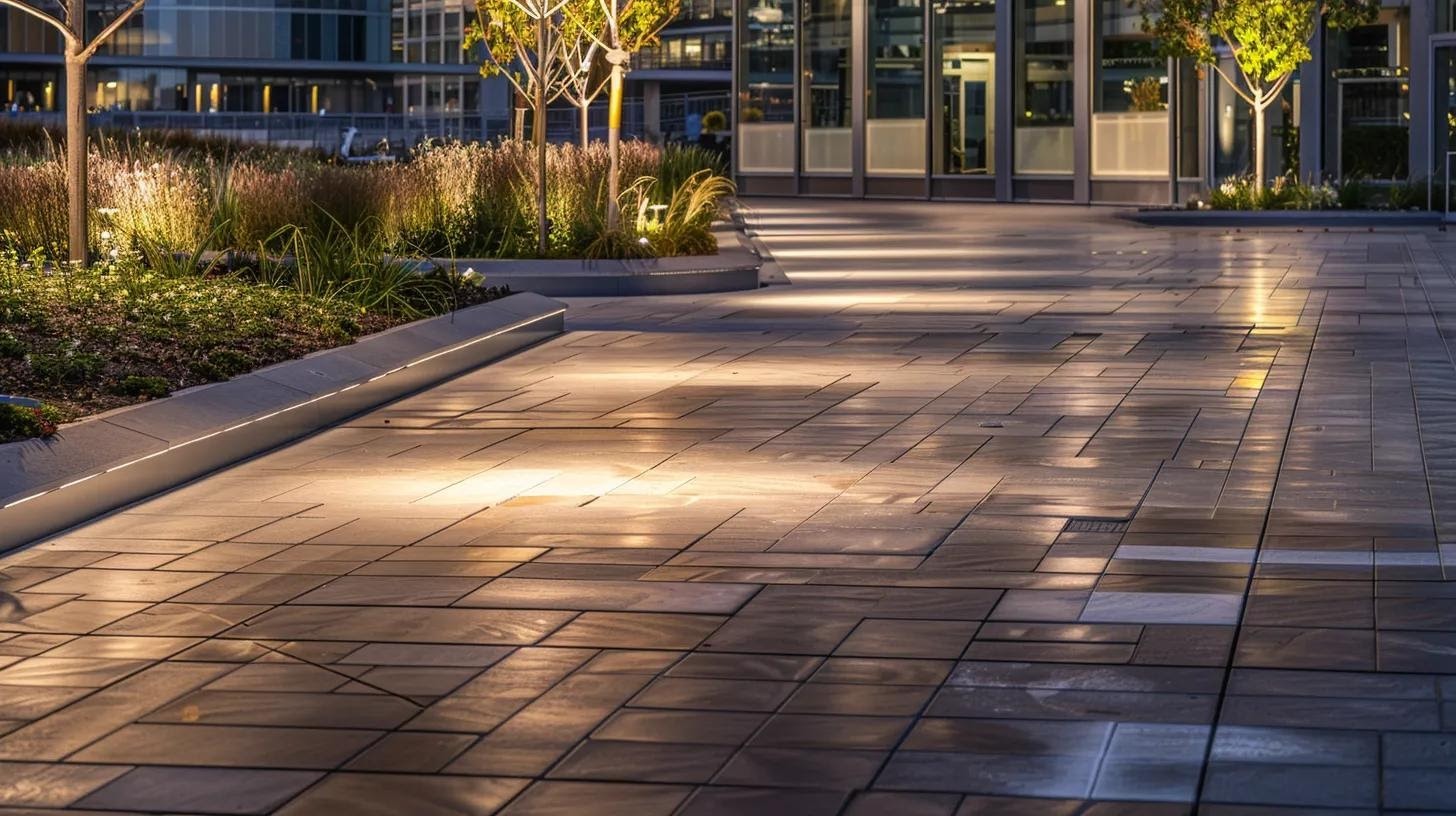
Brick pavers continue to captivate homeowners with their traditional charm and enduring appeal. Their warm hues and organic textures give a timeless look that enhances curb appeal. Additionally, they often age gracefully, developing unique patinas that further enhance their character over time.
Genuine Clay Brick Paver Qualities
Genuine clay bricks are fired at high temperatures to achieve exceptional strength and resilience. Their natural red or brown tones provide a classic look that remains highly sought after. The porous nature of clay allows for natural weathering, adding depth and character without compromising structural integrity.
Reclaimed Brick Paver Aesthetics
Reclaimed brick pavers offer a sustainable option with a rich, weathered appearance. These bricks have been recycled from older buildings and repurposed to provide a unique sense of history to modern landscapes. Their irregular color variations and textures add authenticity and individuality that new materials may lack.
Concrete Brick Paver Alternatives
Concrete brick pavers mimic the look of traditional clay bricks but provide enhanced durability and a lower price point. Their manufacturing process allows for uniformity and precision in design, making them very popular in large-scale residential projects as well as commercial settings. They are often chosen for their ease of maintenance and resistance to staining and wear.
Understanding Natural Stone Paver Material Types
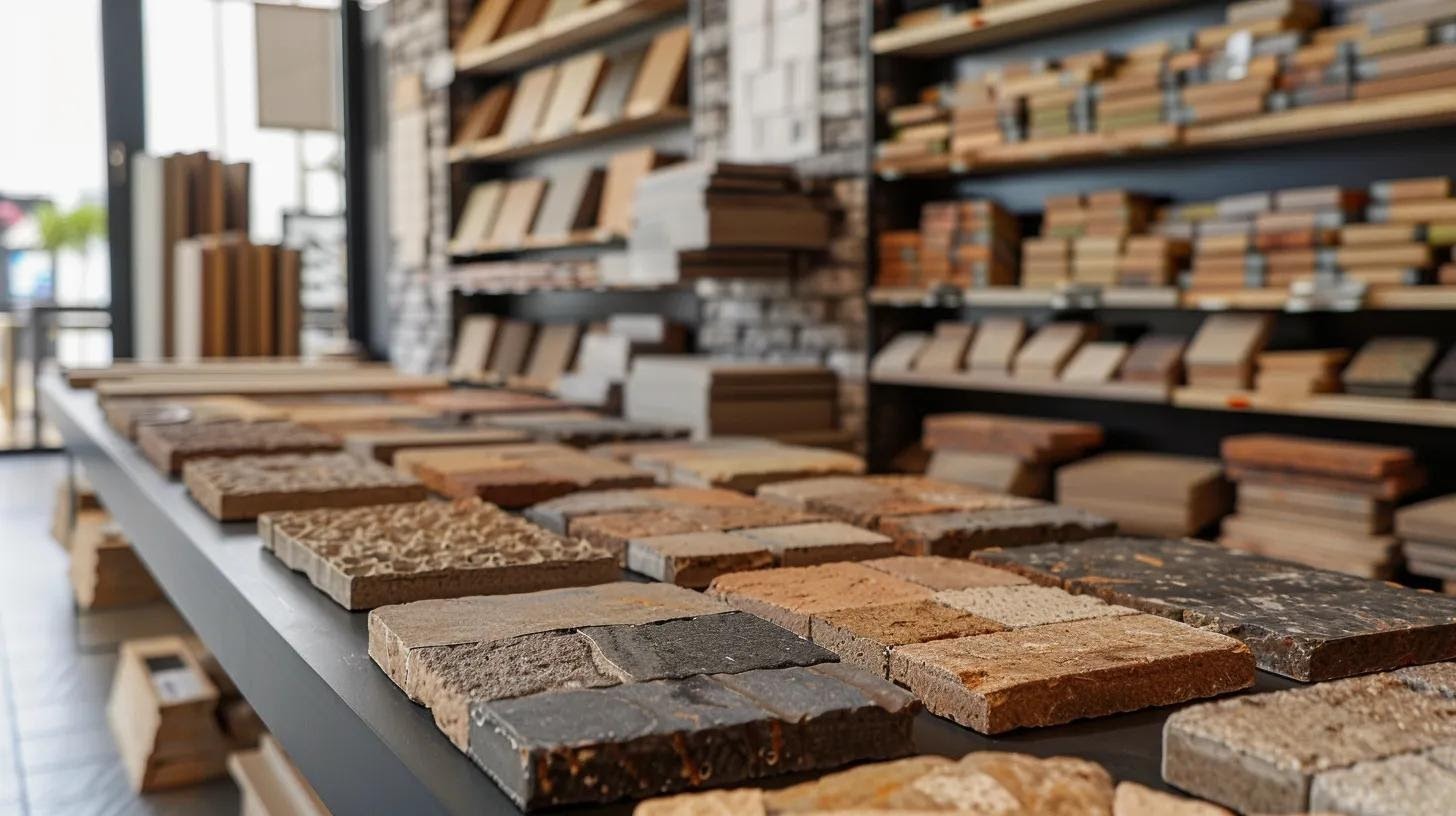
Natural stone pavers are prized for their unique beauty and durability. They offer a wide range of textures, color variations, and natural patterns, providing a distinctive look that synthetic materials often cannot replicate. Although they typically come at a higher cost, the long-term value and timeless elegance they add to a property make them a favored choice for luxury applications.
Granite Paver Durability and Appearance
Granite pavers are incredibly hard and resistant to both abrasion and weathering. Their speckled appearance and natural shine give them a sophisticated look that can elevate any landscape design. Granite is ideal for areas that experience heavy use and extreme temperatures, as it maintains its form and finish over the years.
Flagstone Paver Irregular Charm
Flagstone pavers are cut from naturally occurring slabs and are known for their irregular shapes and earthy textures. These stones create a visually appealing mosaic effect and work well in creating meandering paths or rustic patios. Their natural composition means that no two pieces are exactly alike, offering a custom, organic feel.
Slate Paver Texture and Color Variations
Slate pavers boast rich, deep hues and a layered, textured surface that adds depth and sophistication. They are favored for their water-resistant properties and low maintenance requirements, making them a practical choice for outdoor installations where consistent performance is critical.
Travertine Paver Cool Surface Benefits
Travertine is a type of limestone that is prized for its smooth, cool surface and natural color variations. It remains comfortable to walk on during hot weather and is often used in poolsides or patios where barefoot comfort is important. The porous nature of travertine also gives it a natural, weathered charm that is both elegant and functional.
Limestone Paver Natural Beauty
Limestone pavers have a soft, natural appearance that blends seamlessly with outdoor settings. Their light, neutral tones create a serene backdrop ideal for garden paths and patios. Limestone is also known for its ability to diffuse heat, keeping outdoor surfaces cooler and decreasing the risk of thermal cracking.
Reviewing Porcelain and Composite Paver Material Types

Porcelain and composite pavers have emerged as innovative alternatives to traditional materials by combining high durability with low maintenance requirements. Their modern manufacturing techniques yield products that are both visually appealing and functionally superior in many hardscape applications.
Porcelain Paver Strength and Low Maintenance
Porcelain pavers are renowned for their exceptional strength, low water absorption, and resistance to stains. Their sleek, uniform appearance makes them a top choice for contemporary patios and pool surrounds. They require minimal upkeep and are highly resistant to fading, scratching, and chemical damage, ensuring a lasting and attractive surface.
Composite Paver Material Innovations
Composite paver materials blend recycled aggregates with binding agents to produce pavers that boast both environmental friendliness and durability. Their innovative design not only reduces the carbon footprint but also offers enhanced flexibility and resilience compared to conventional concrete pavers. These pavers are gaining popularity among homeowners who value sustainability without compromising on performance and aesthetics.
Rubber Paver Safety and Comfort
Rubber pavers, although less common, provide unmatched slip resistance and cushioning. They are ideal for areas where safety is a primary concern, such as around playgrounds, pool areas, and high-traffic walkways. Their flexibility under pressure helps reduce the risk of injury from falls, and they are particularly useful in environments where shock absorption is needed.
Key Characteristics Defining Popular Paver Materials

Understanding the core characteristics of each paver material is essential when planning a project. Attributes such as durability, maintenance, aesthetic appeal, and cost all play a significant role in determining the best option for a specific application. Each material brings a unique combination of benefits and limitations that homeowners must consider.
Durability Ratings Across Different Paver Types
Durability is a primary consideration; materials like granite and porcelain offer unparalleled strength and resistance to weathering, while reclaimed brick and natural stone may require more upkeep. Evaluating the expected traffic load, environmental exposure, and impact resistance will help in choosing a material that maintains its beauty and function over time.
Maintenance Needs for Various Paver Materials
Maintenance needs differ significantly: concrete and porcelain pavers often need less frequent cleaning and sealing compared to natural stone options. Homes with active lifestyles or children may benefit from materials that resist staining and can easily be pressure washed without damaging the surface.
Aesthetic Appeal and Style Options in Paver Materials
Aesthetics drive many homeowners to select pavers that complement their overall landscape design. From the classic warmth of clay brick to the modern sleekness of porcelain, each material offers a variety of textures, colors, and patterns that contribute to a unique visual identity. Matching the material with the desired style and architectural features is key.
Cost Considerations for Popular Paver Material Types
Budget constraints are another critical factor. While natural stone pavers may deliver a high-end look, they often come with a higher price tag. Conversely, concrete and composite options offer similar versatility at a lower cost. Homeowners must evaluate both material and installation expenses to strike a balance between quality and affordability.
Matching Paver Material Types to Project Needs
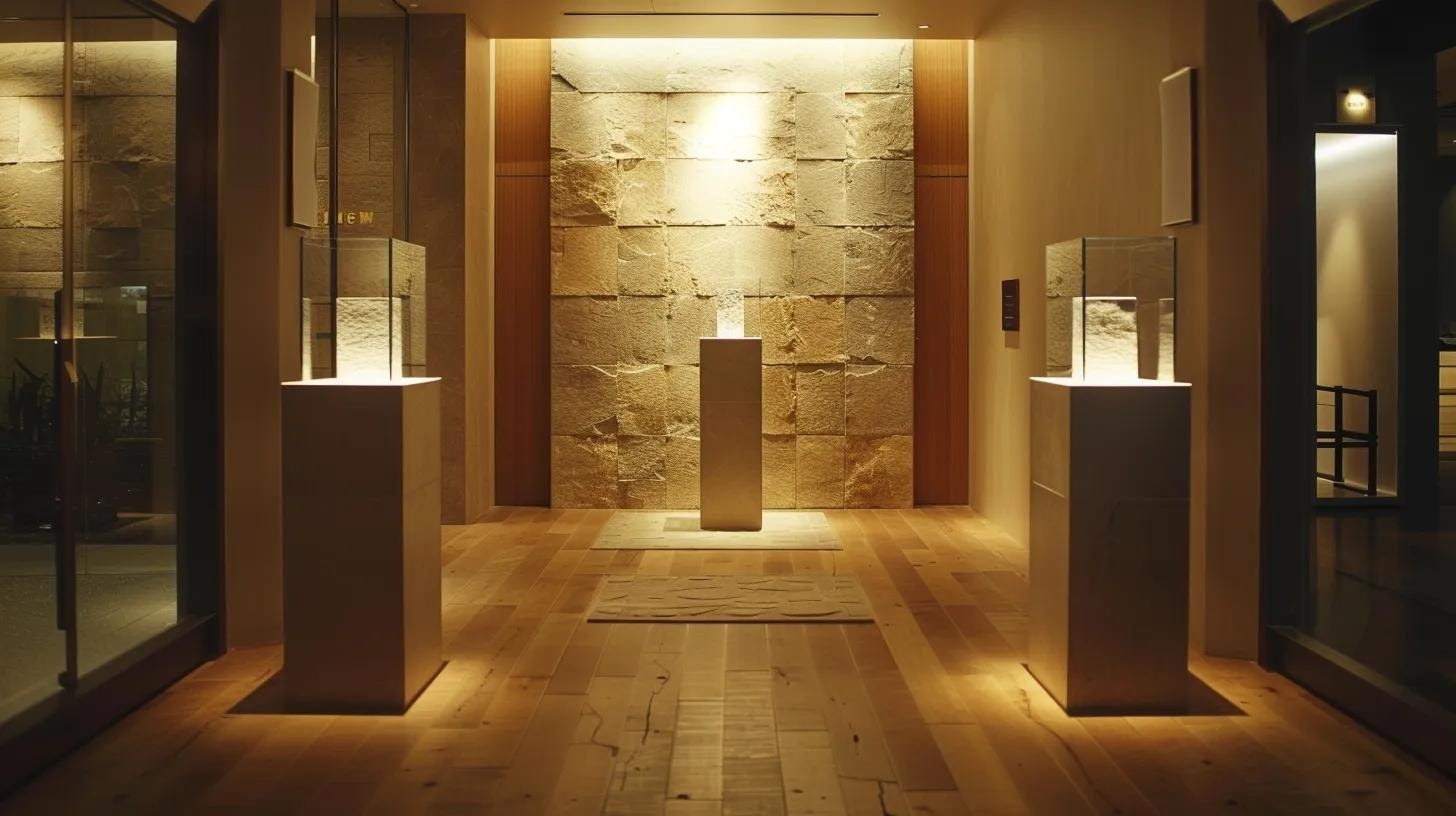
Selecting the appropriate paver material requires an understanding of the specific demands of the project. Factors such as the type of area being paved, expected traffic, climate, and desired look all influence the choice of material. With a growing emphasis on sustainability and functionality, modern paver options can be tailored to a variety of environments.
Best Paver Materials for Driveways
For driveways, durability and resistance to traffic and weight are paramount. Options like interlocking concrete, porcelain, and high-quality natural stone pavers can withstand heavy vehicles without cracking or excessive wear. These materials also provide a neat, uniform appearance that enhances property curb appeal.
Ideal Paver Material Types for Patios
Patios often serve as outdoor living spaces where aesthetic appeal and comfort are critical. Porcelain and travertine pavers offer a smooth, elegant surface that stays cool underfoot during hot days, while brick and reclaimed materials bring a classic, inviting look. Selecting a material that offers both beauty and slip resistance is essential for a safe and attractive patio.
Suitable Paver Materials for Walkways and Garden Paths
Walkways and garden paths require materials that can handle frequent pedestrian traffic and subtle environmental stresses. Permeable concrete pavers and natural stone options like flagstone and slate add visual interest while ensuring proper water drainage. Their irregular textures create a natural look that blends seamlessly with landscaped gardens.
Eco-Friendly Paver Material Options
Environmentally conscious homeowners may prefer eco-friendly options such as permeable pavers, composite materials, and reclaimed bricks. These materials not only reduce stormwater runoff and promote groundwater recharge but also utilize recycled content, minimizing the environmental impact. Their sustainable properties make them a smart choice in modern landscape design.
Final Thoughts
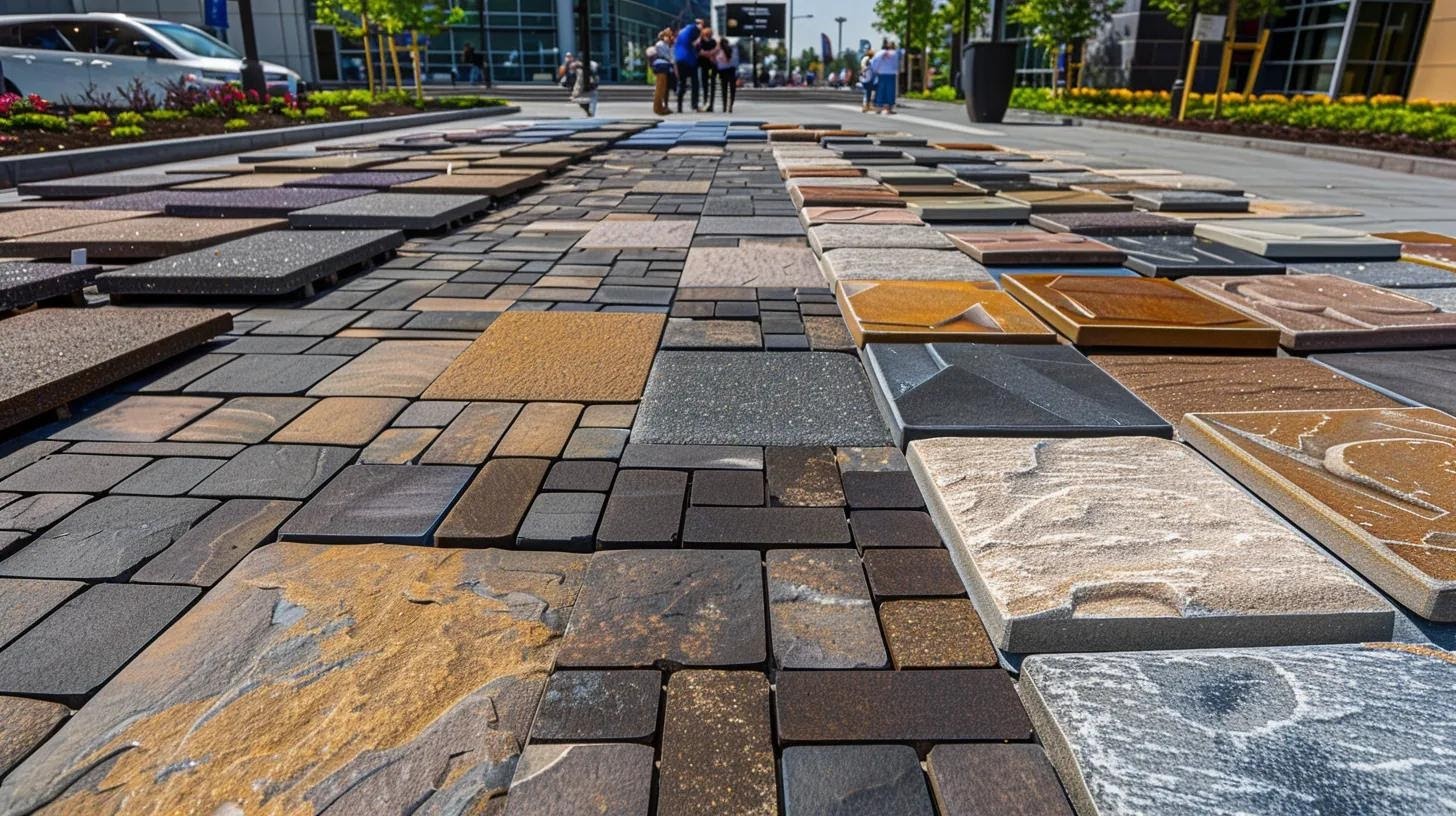
In summary, the diverse range of paver materials—from concrete and brick to natural stone and porcelain—offers homeowners ample choices to suit any project need. Each material displays unique characteristics in terms of durability, maintenance, appearance, and cost. Matching the best product to a specific application helps enhance functionality while ensuring visual appeal. Homeowners are encouraged to consider both aesthetic and practical aspects when selecting their paver materials, ensuring a beautiful and long-lasting installation.
Frequently Asked Questions
Q: What factors should I consider when choosing paver materials? A: Consider durability, maintenance needs, aesthetic appeal, and cost. The project’s location, expected traffic, and climate are also important when selecting the ideal material.
Q: Are concrete pavers suitable for driveways? A: Yes, concrete pavers are popular for driveways due to their durability, interlocking design, and ability to handle heavy loads while maintaining an attractive finish.
Q: How do permeable pavers benefit the environment? A: Permeable pavers allow water to infiltrate the surface, reducing runoff and promoting groundwater recharge, which can help reduce flooding and improve stormwater management.
Q: Can reclaimed brick pavers add value to my home? A: Absolutely. Reclaimed brick pavers offer a unique, historic charm and sustainable option that can enhance curb appeal and add character to outdoor living spaces.
Q: What maintenance does natural stone require compared to porcelain? A: Natural stone often requires sealing and periodic maintenance to prevent staining and weathering, whereas porcelain pavers typically need less upkeep and offer superior resistance to scratches and stains.