
What Makes the Best Pool Deck Materials?
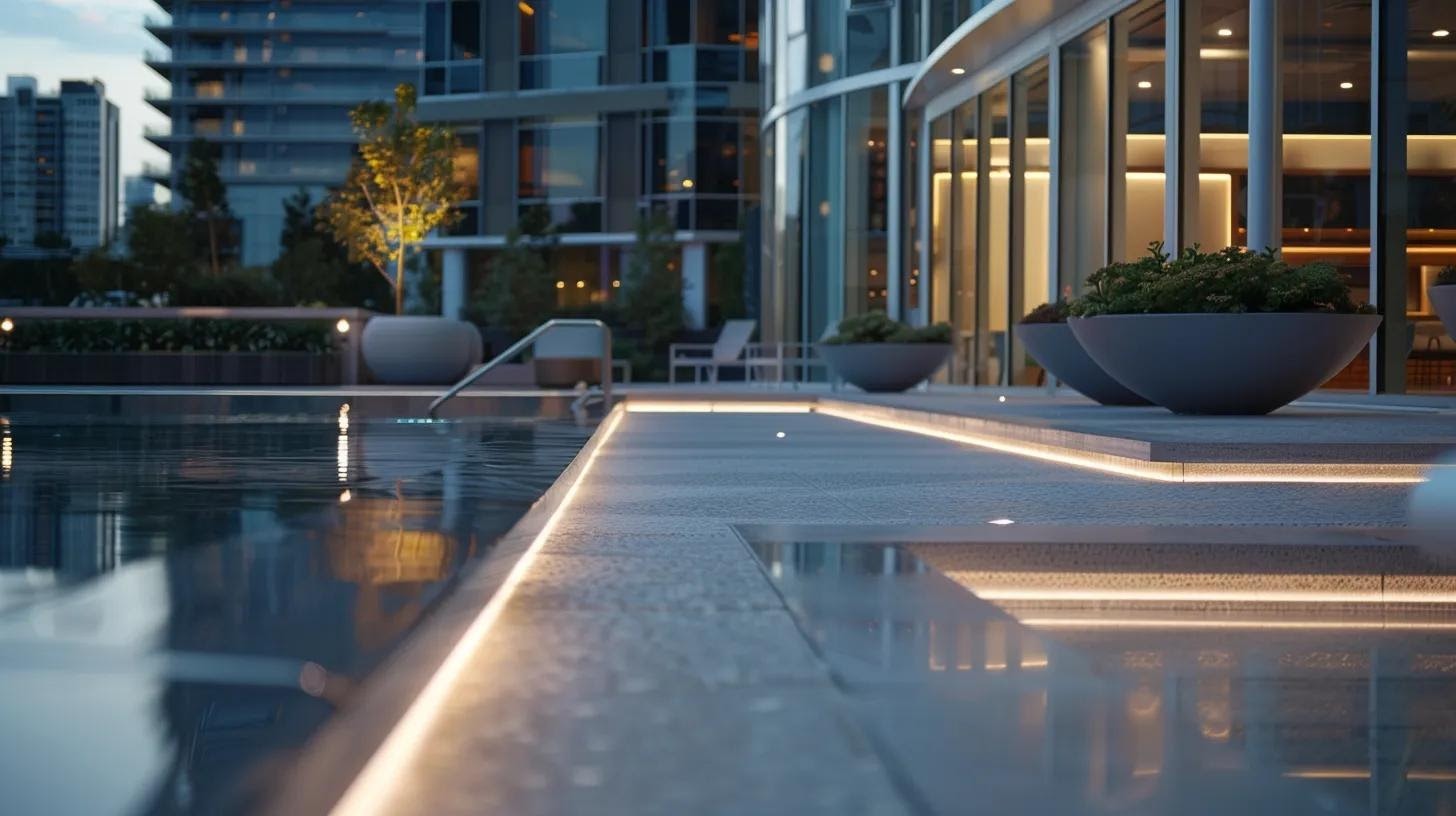
Pool decks are an essential feature of outdoor spaces, providing a safe, durable, and aesthetically pleasing area to relax near a swimming pool. Homeowners often face the challenge of selecting the best deck materials that combine safety, longevity, visual appeal, and cost-effectiveness. This article explains the key factors homeowners need to consider when choosing pool deck materials—from safety characteristics and durability issues to design and installation tips. It also provides insights into installation processes that ensure your deck remains beautiful and safe for years to come.
Key Takeaways
- The safety of a pool deck depends on slip resistance, heat reflectivity, and smooth transitions.
- Durability factors include resistance to moisture, UV exposure, and freeze-thaw cycles.
- Visual appeal is influenced by material colors, textures, and design compatibility with surrounding landscapes.
- Financial considerations cover upfront costs, labor expenses, and long-term maintenance.
- Proper installation techniques and upkeep are crucial for achieving a long-lasting pool deck.
Prioritizing Safety Characteristics for Optimal Pool Deck Surfaces
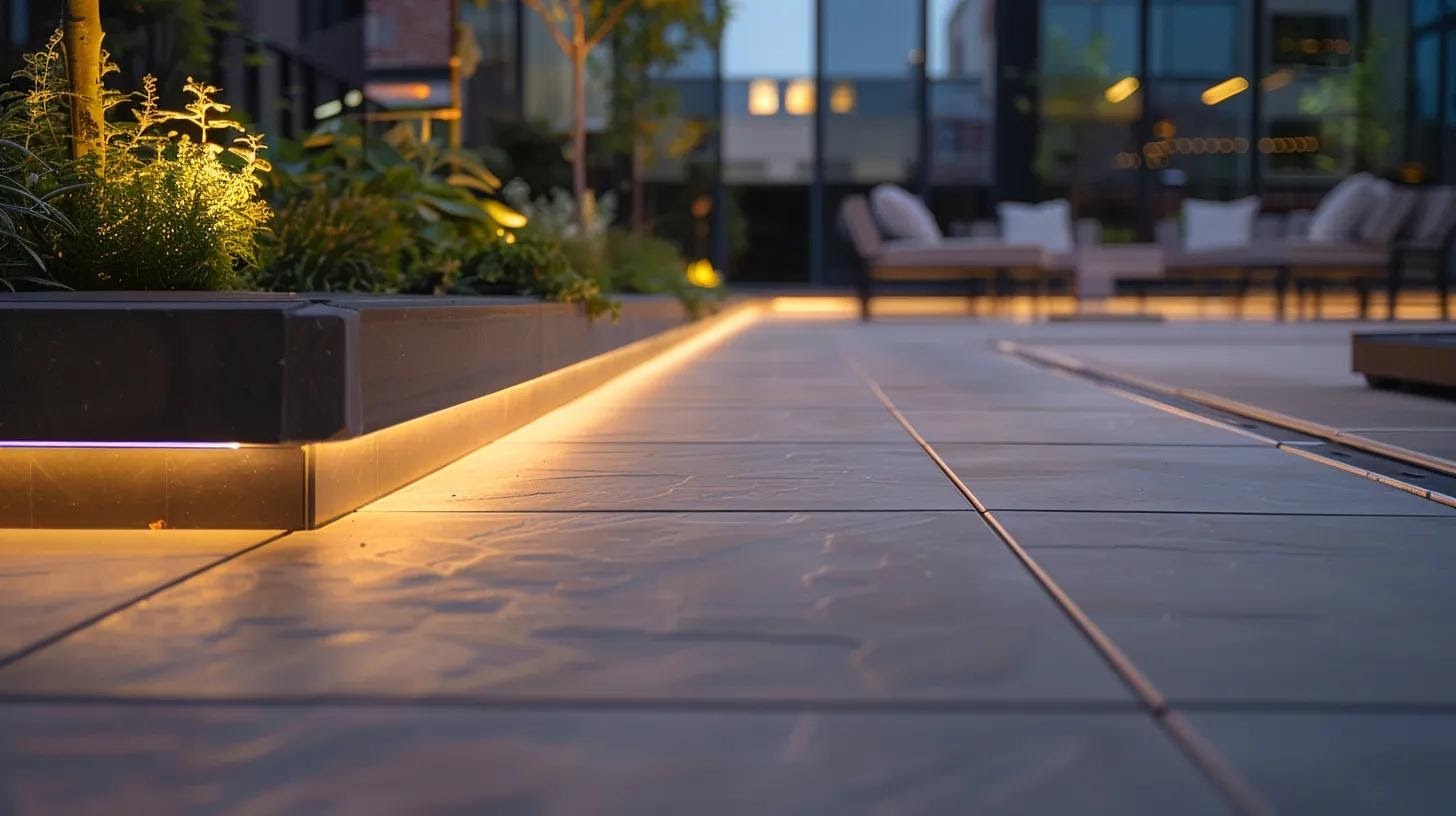
When choosing pool deck materials, safety is paramount. The first consideration is slip resistance, which minimizes the risk of accidents when the deck is wet. Materials that offer natural texture or include advanced non-slip coatings are ideal for reducing injury risks. Equally important is heat reflectivity. A deck that absorbs too much heat can become uncomfortably hot for bare feet, so selecting materials with cooler surface temperatures is beneficial for maintaining a comfortable poolside environment.
Another important safety factor is ensuring smooth transitions and rounded edges. These design features help prevent trips and falls, making the area safer for both children and the elderly. Alongside physical safety, chemical resistance is crucial as pool decks are frequently exposed to cleaning agents and pool chlorine. Materials that demonstrate high resistance to chemical degradation will maintain both appearance and structural integrity with reduced maintenance.
Homeowners should compare several material options available in the market—ranging from natural stone and concrete to composite materials—to identify those that offer the best combination of these safety features. Ensuring that the chosen option meets safety standards not only improves the usability of the deck but also enhances the overall outdoor experience.
Gauging Durability and Expected Lifespan of Pool Decking Options
Durability is another critical factor in selecting pool decking options. Materials must resist water saturation and moisture damage, as constant exposure to water can lead to early deterioration. The performance of these materials under prolonged sun exposure is equally important; ultraviolet (UV) rays can fade colors and weaken the structure over time. Freeze-thaw conditions in various climates also play a significant role: decks that withstand cycles of freezing and thawing without cracking or spalling ensure long-lasting performance.
Structural integrity under regular foot traffic and the weight of outdoor furniture is essential for maintaining a safe environment. Homeowners should look for products that have been tested for load-bearing capacity and overall resilience. By understanding these durability characteristics, one can choose a material that justifies its investment through a long lifespan and reduced need for repair.
Achieving Desired Visual Appeal With Superior Pool Surround Materials
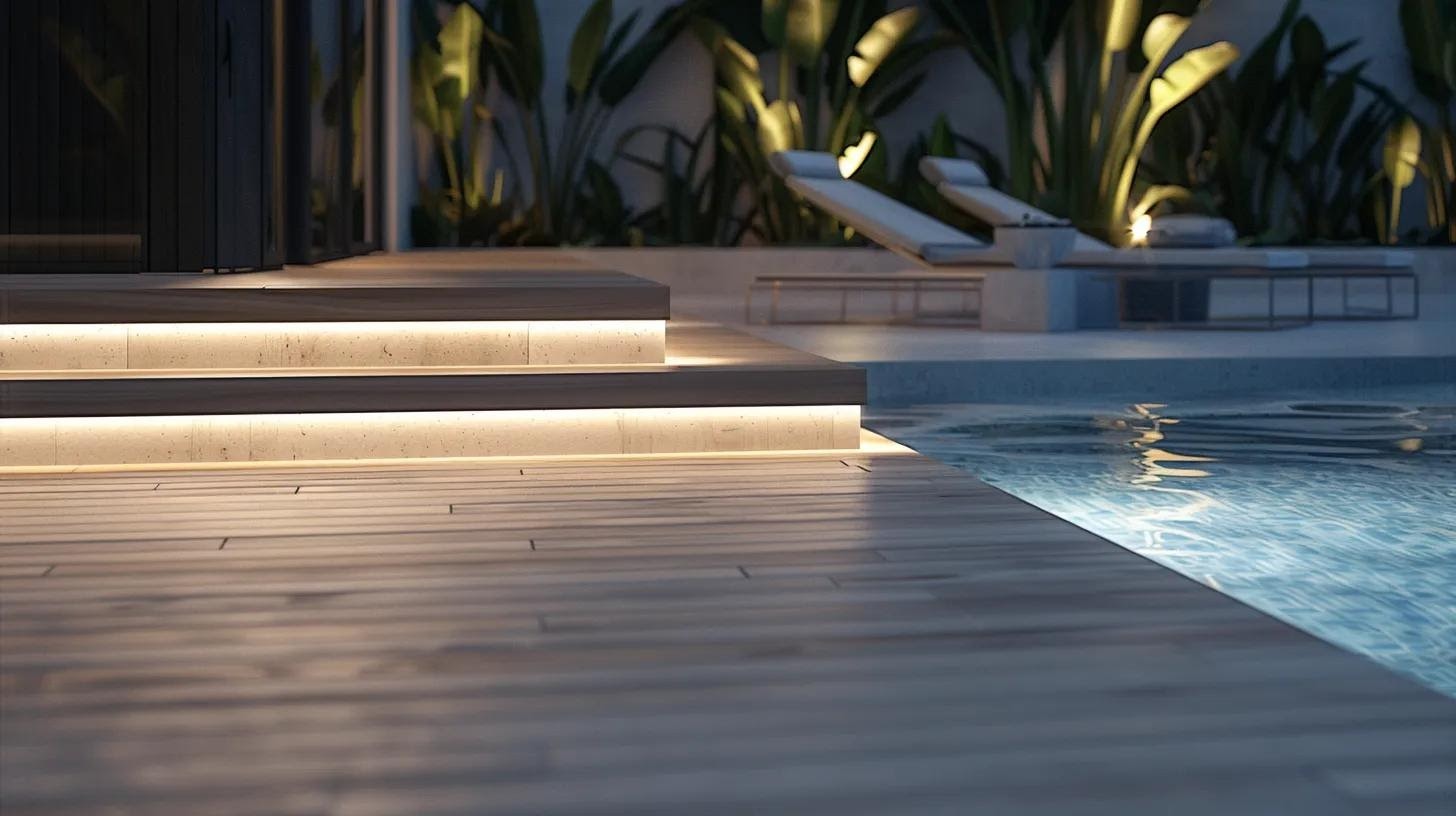
Visual appeal is a key consideration when designing a pool deck. Selecting the appropriate colors and finishes can greatly complement an outdoor space. Materials that come in various shades allow homeowners to coordinate the deck with their landscape, garden, or home exterior. Additionally, exploring texture options is important because tactile qualities contribute to both aesthetic satisfaction and safety by reducing slip hazards.
Matching material styles to the architectural and design elements of a home creates a cohesive look. Homeowners might favor natural stone for a classic appearance or choose sleek composite materials for a modern feel. Incorporating design features such as inlaid patterns or border treatments can further enhance the overall look while providing a unique personal touch to the pool area.
Analyzing the Financial Aspects of Different Pool Decking Solutions
The financial aspect of pool deck materials goes beyond the initial cost of materials. Homeowners must account for material acquisition and transportation, which can vary greatly between options such as wood, porcelain, or concrete. Installation complexity significantly affects labor expenses; materials that are easier to lay may reduce installation time and cost. In addition, long-term maintenance expenses, such as periodic sealing, pressure washing, or repairs, should be factored into the overall financial decision.
An effective evaluation of the overall value proposition involves comparing the total lifecycle cost against durability and aesthetic appeal. Though a particular material might have a higher upfront cost, its longer lifespan and lower maintenance requirements often justify the investment over time. Calculating these variables helps homeowners make an informed choice that fits both budget and long-term vision.
Understanding Upkeep Requirements for Enduring Pool Deck Excellence

Regular upkeep is vital to maintaining pool deck excellence. Routine cleaning using gentle pressure washing or mild detergents helps manage common debris and spills, keeping surfaces looking fresh and preventing buildup that might lead to staining. Some decking materials require scheduled sealing or refinishing to protect against water, UV exposure, and chemical damage.
Stain resistance is another feature that homeowners should consider. Materials that resist staining from pool chemicals or organic debris ensure that the deck retains its visual appeal over time. In cases where minor surface imperfections occur, selecting materials that allow for simple repairs can help extend the life of the deck without major disruption. Overall, understanding these upkeep requirements is important for preserving both the functionality and appearance of the pool deck.
Your Comprehensive Pool Deck Paver Installation Guide for Lasting Beauty
A successful pool deck installation starts with careful preparation. Foundational steps include clearing and leveling the area to ensure proper base support, which is essential for the stability of pavers. Preparing a stable and level base often involves laying crushed stone and a moisture barrier before setting pavers. Techniques for accurate setting and alignment of pavers are critical; homeowners should pay attention to maintaining consistent joint widths for a neat, professional finish.
Once the pavers are set, applying joint sand and sealants reinforces the stability and weather resistance of the deck. Such measures help prevent shifting or the growth of weeds in the joints. Homeowners may encounter common installation challenges such as uneven subgrades or drainage issues, which can be overcome with proper planning and, if needed, professional assistance. This comprehensive guide ensures that the chosen materials are installed with precision, resulting in a beautiful, enduring pool deck that enhances outdoor living spaces.
Final Thoughts
The best pool deck materials offer a balance of safety, durability, aesthetics, and cost efficiency. By considering factors such as slip resistance, moisture resistance, and long-term maintenance, homeowners can create a safe environment that complements their outdoor space. Financial analysis and proper installation practices further ensure that the investment is sound and lasting. Ultimately, selecting the right pool deck material enhances both the functionality and beauty of any pool area.
Frequently Asked Questions
Q: What are the most important safety features to consider for pool decks? A: Homeowners should look for materials with high slip resistance, low heat reflectivity, smooth transitions, and excellent chemical resistance to ensure a safe poolside environment.
Q: How do different pool deck materials compare in terms of durability? A: Materials vary in their resistance to moisture, UV exposure, and freeze-thaw cycles. Choosing a product tested for these conditions ensures long-lasting performance.
Q: What design features can enhance the visual appeal of a pool deck? A: Selecting complementary colors, attractive finishes, and varied textures can create a cohesive look that blends with the home and landscape design.
Q: Are there significant financial differences between pool deck options? A: Yes, upfront costs, installation complexity, and long-term maintenance expenses differ. Careful evaluation of lifecycle costs helps determine overall value.
Q: Why is proper installation crucial for pool deck longevity? A: A well-installed deck with a stable base, accurately placed pavers, and appropriate sealing results in a durable surface that can withstand weather and heavy foot traffic over time.